By Staff reporter
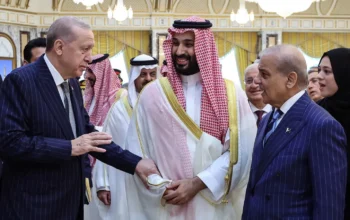
ISLAMABAD: Prime Minister Shehbaz Sharif on Thursday called for a national strategy to address rapid population growth, warning that without coordinated planning, rising numbers could strain resources and hinder economic development.
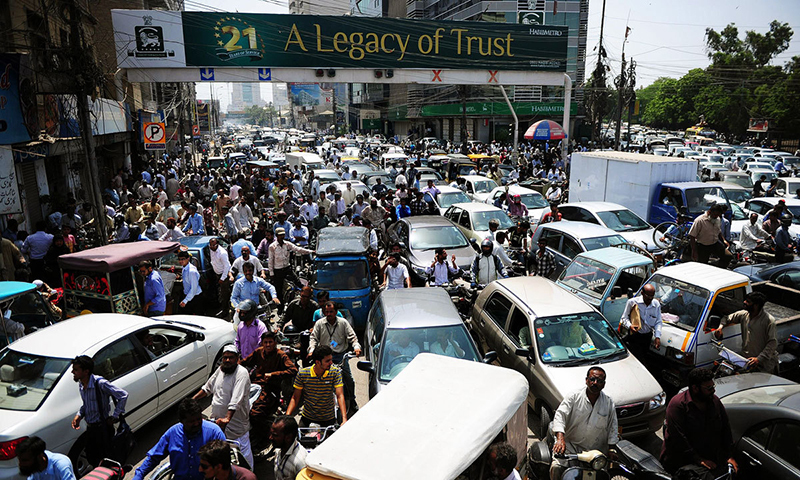
Pakistan, the world’s fifth most populous nation with over 240 million people, is grappling with a demographic crisis. Its annual population growth rate of 2.55 percent, one of the highest in the region, places immense pressure on health care, education, housing, and employment systems. The World Bank, however, reported a slightly lower growth rate of 1.5 percent for 2024.
“The rapidly growing population must be made an active part of the economy,” Sharif said during a high-level meeting, according to a statement from the Prime Minister’s Office. He termed the high growth rate an “alarming trend” and stressed the need for immediate action.
Experts warn that if current trends persist, Pakistan’s population could surpass 400 million by 2050, deepening challenges like food insecurity, water scarcity, and climate vulnerability. The country, already facing economic instability and frequent natural disasters, struggles with urban overcrowding in megacities like Karachi and Lahore, alongside widening inequality.
Sharif ordered the formation of a committee to develop an effective policy on population management, emphasising collaboration between federal and provincial governments. “A unified and strategic response is the need of the hour,” he said.
The prime minister highlighted the potential of Pakistan’s youth, who form a large segment of the population. “A large segment of our population comprises young people, who are the most valuable asset for our country,” he said. “Multiple initiatives are underway to provide youth with opportunities to contribute to the national economy.”
Sharif also underscored the role of women in the workforce. “Women are a major part of our labor force… Steps should be taken to provide them with more employment opportunities.”
During the meeting, Sharif was briefed on proposals to manage population growth. Officials stressed that long-term solutions would require active provincial collaboration and grassroots public engagement. The premier also called for a nationwide awareness campaign to educate citizens about the consequences of unchecked population growth.
Successive governments have struggled to implement sustained family planning policies, hampered by poor federal-provincial coordination and social taboos around contraception. The result has been a slow-burning emergency that threatens to outpace economic growth and infrastructure development.
Last month, Health Minister Mustafa Kamal warned that population growth had reached an “alarming level.” He pointed to over 25 million children out of school and overcrowded government hospitals as evidence of the crisis’s wide-ranging impact. In June, Pakistani parliamentarians unanimously approved a resolution on population stabilisation, pledging to table it in the National Assembly.
Copyright © 2021 Independent Pakistan | All rights reserved