
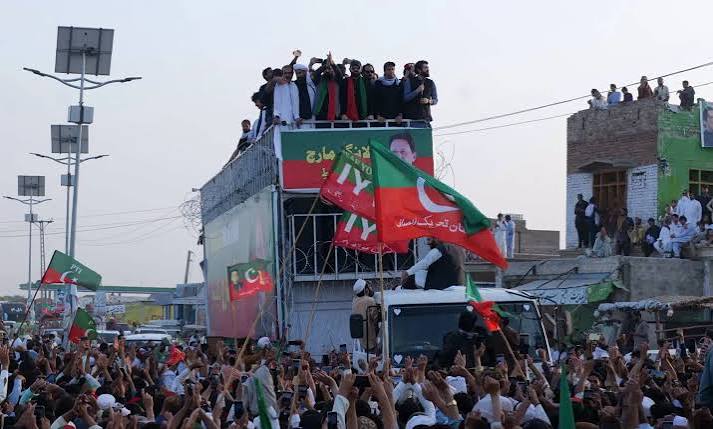
On Sunday, two things happened within hours of each other. In Lakki Marwat, Sohail Afridi, the chief minister of Khyber Pakhtunkhwa, stepped off a helicopter into a crowd of Pakistan Tehreek-e-Insaf (PTI) supporters and set off at the head of a long march. In Peshawar, Mohsin Naqvi, the interior minister, sat down with the provincial governor, Faisal Karim Kundi, and a Governor’s House statement afterwards said it would play “a full constitutional role” if the president and prime minister decided that governor’s rule or an emergency was needed to save the province.
Op-Ed
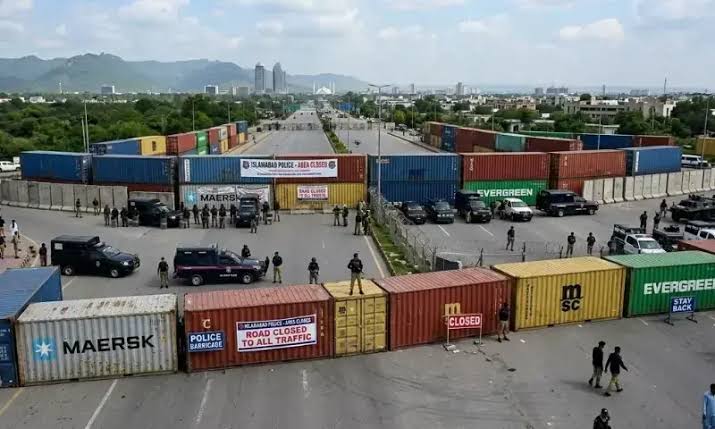
A week’s grace and nobody to grant it
The postponement of the PTI’s march to October 4 has been received in Islamabad as a small victory, and in Peshawar as a clever stratagem. It is neither. It is simply a pause in a dispute whose terms are being set elsewhere.
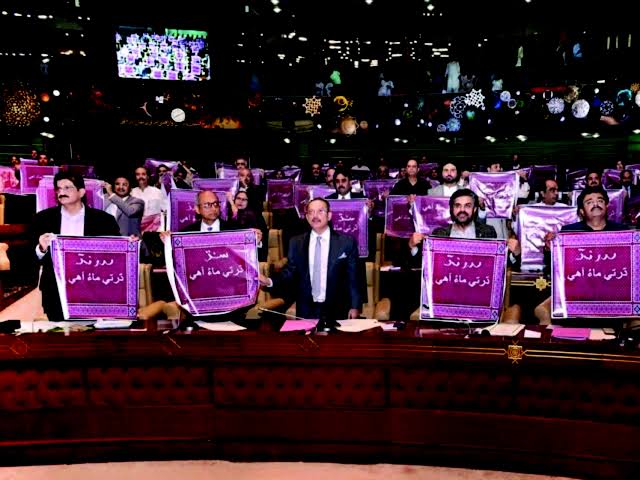
In Sindh, a vote to stay whole — and a message to Rawalpindi
Strip away the pageantry — the banners reading “Sindh is the motherland,” the choreographed walkout, the resolution’s ritual invocation of a 1943 vote nobody in the chamber Thursday was alive to cast — and what’s left is a provincial legislature standing up to an army it cannot name as the thing it’s standing up to.
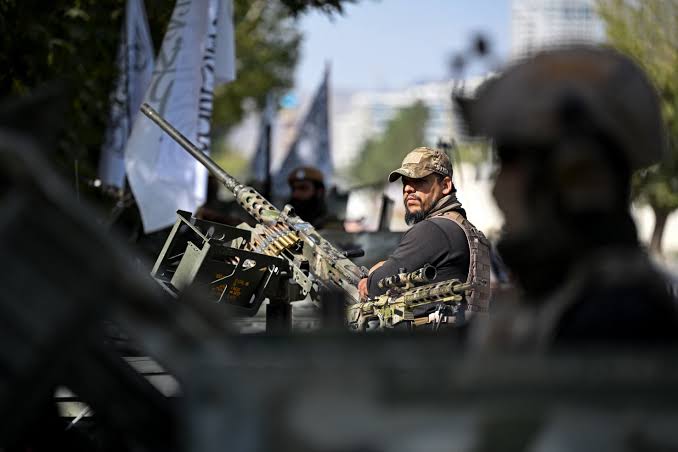
Five years on, the world has stopped watching Afghanistan. That is precisely what the Taliban were counting on
Five years after the Taliban swept back into Kabul, Afghanistan has entered a quieter phase of emergency. The desperate crowds at the airport are gone from the world’s front pages; so, largely, is the country itself. What has replaced the crisis that made headlines is a crisis that doesn’t: slower, less photogenic, and for that reason easier to leave unaddressed.
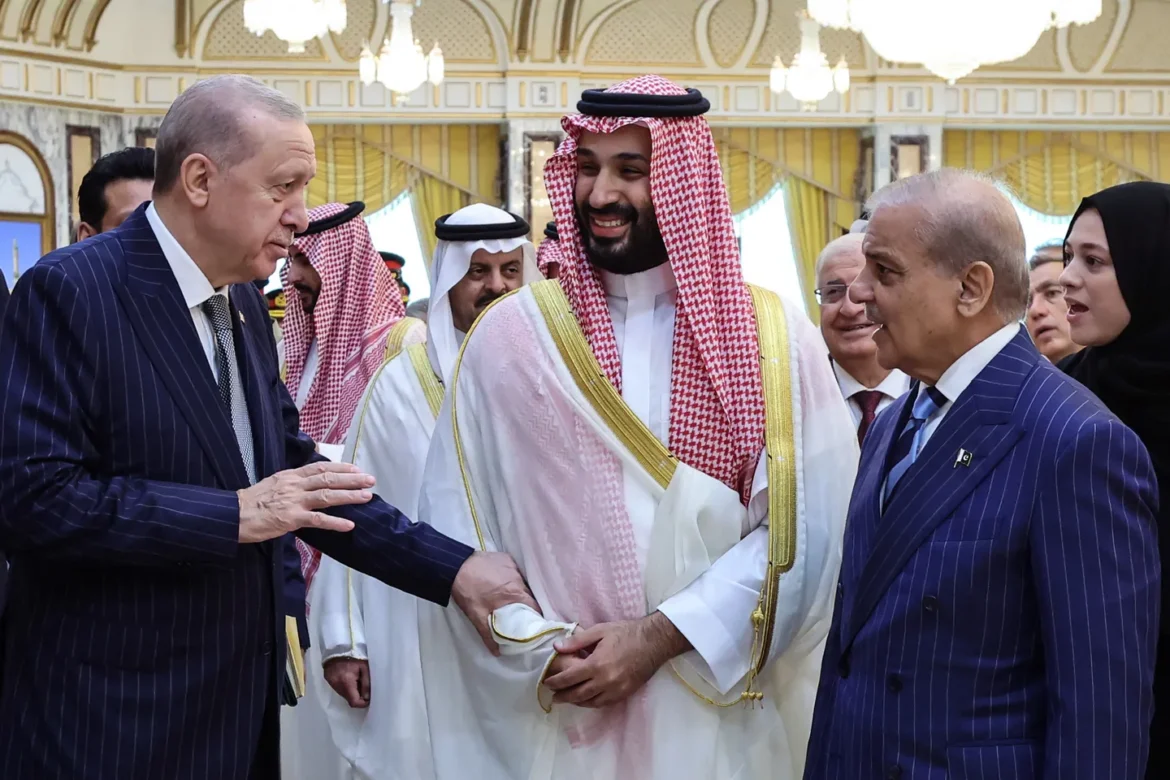
Mecca’s new pact is a hedge, not a break — and the Gulf knows the difference
Diplomatic language is designed to bore you into missing what’s actually being said, and Friday’s Mecca Joint Defence Agreement is a case in point. Saudi Arabia, Turkey and Pakistan have promised that an attack on one is an attack on all — words borrowed almost wholesale from Nato’s founding charter — and every official statement that followed insisted, with slightly too much enthusiasm, that this is nothing like Nato at all. No shared command. No standing force. No clarity on what any of the three has actually agreed to send when the phone rings. Saudi Deputy Minister Rayed Krimly went out of his way to say the pact was not a military axis, not a sectarian bloc, and had nothing to do with nuclear ambitions.
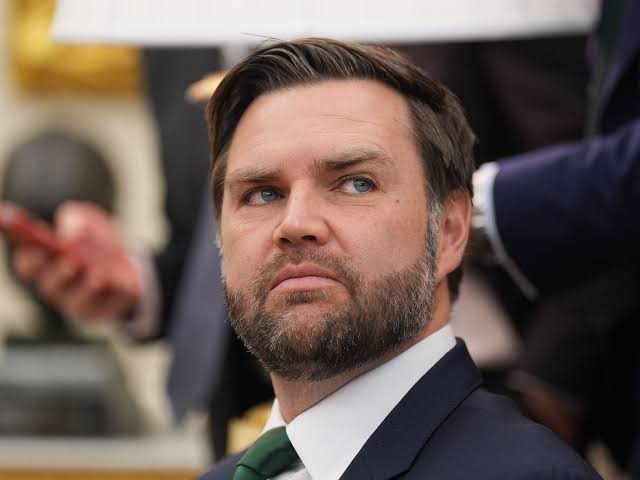
JD Vance just said the unsayable about Israel
JD Vance spent three hours in conversation with Joe Rogan this week and used it to say something that should be leading every American newspaper rather than trailing behind headlines about Jeffrey Epstein: that people within the Israeli government have been running a funded operation to sabotage the peace process he personally led, and to turn American public opinion against him for pursuing it. Asked what he thought of the people behind it, the vice president of the United States did not equivocate. “Go to hell,” he said. “I’m going to do what I have to do for the American people. I represent Americans first.”
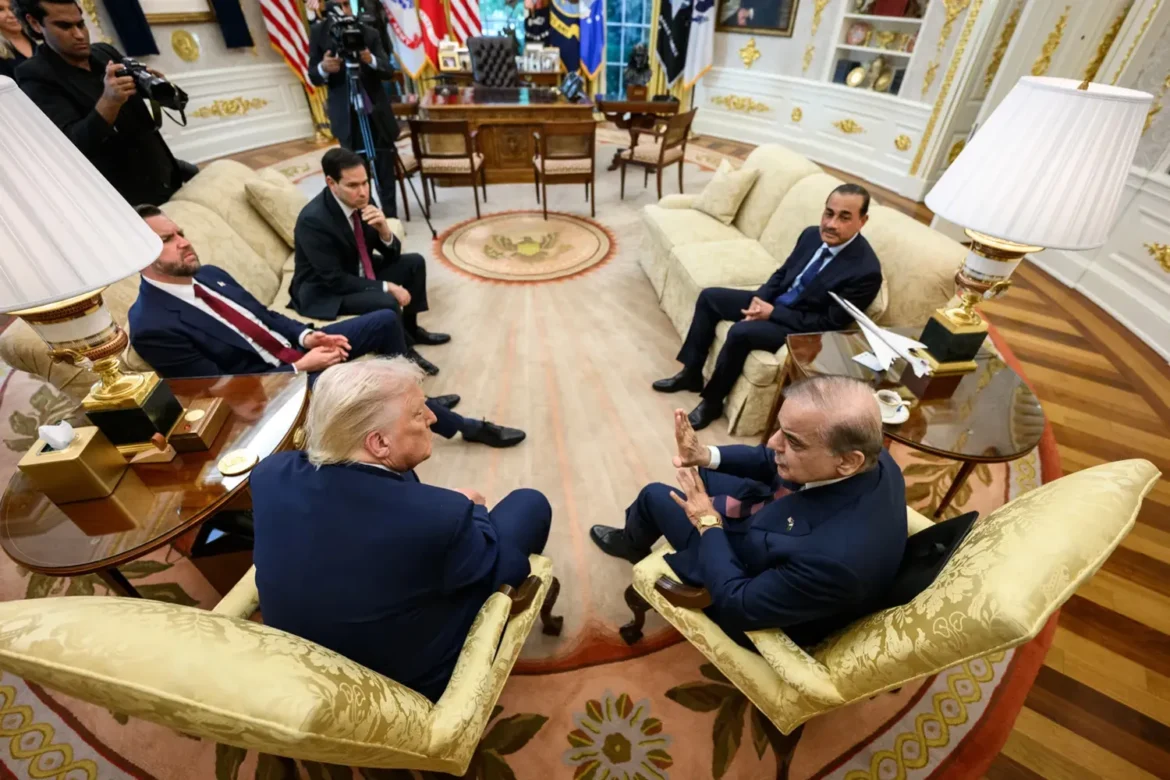
No stablecoin, no license – but Pakistan got what it came for
Buried inside the 927-page financial disclosure that President Trump’s office filed this week with the U.S. Office of Government Ethics is a number that says a great deal about how his second term has reshaped his business, and perhaps his diplomacy along with it: $515 million. That is roughly what Trump earned last year from the sale of tokens issued by World Liberty Financial, the cryptocurrency venture launched by his sons and the sons of his Middle East envoy, Steve Witkoff. It is one piece of a crypto windfall that, once meme-coin royalties and other digital-asset income are added in, helped push Trump’s total reported earnings for 2025 above $2 billion.
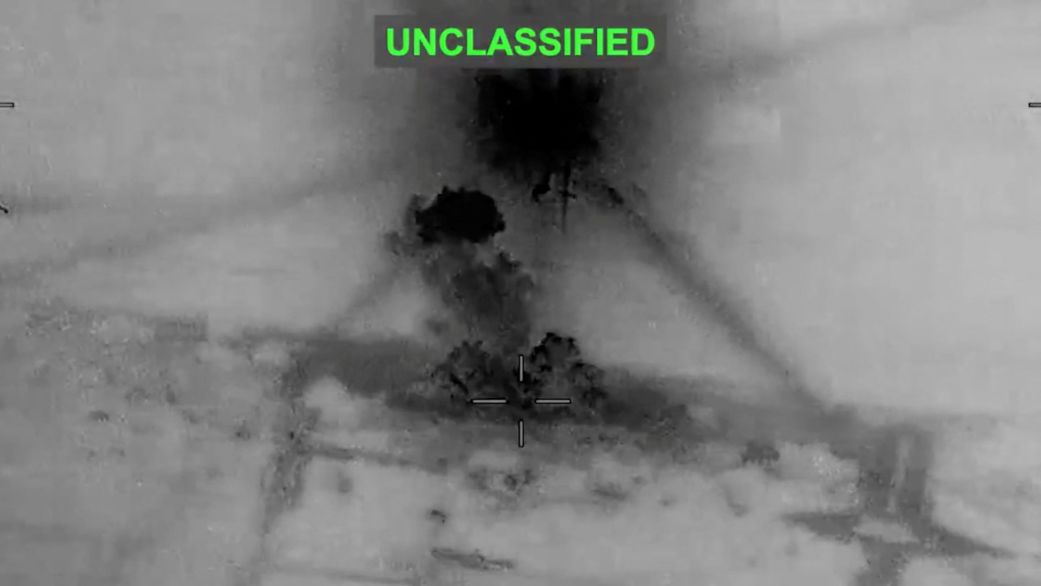
The pause that can’t become peace
The announcement came late on a Sunday evening when the Persian Gulf had already endured its worst 48 hours since the June ceasefire: US aircraft striking Iranian military targets, Iranian missiles and drones raining down on American facilities in Kuwait and Bahrain, a Qatari national killed by shrapnel aboard a stricken vessel, and a US president warning from his social media account that the Islamic Republic of Iran “will no longer exist” if Washington was forced to resume the war.
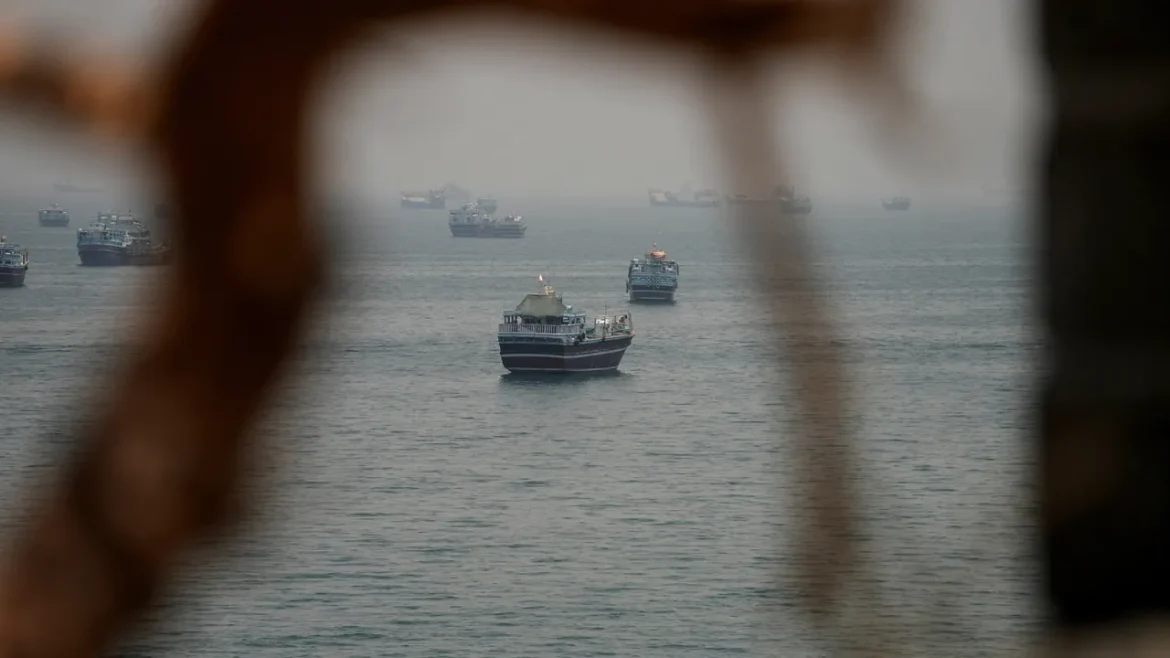
The Hormuz ceasefire was ambiguous by design
The agreement signed on June 17 was presented to the world as the architecture of an enduring peace. Less than a fortnight later, it had become a vocabulary test — one that both Tehran and Washington are failing, or refusing to take. Each new drone strike, each fresh round of US airstrikes on Iranian coastal infrastructure, each Iranian missile falling on a Gulf Arab air base is now accompanied by the same claim from both capitals: the other side violated the memorandum of understanding first.
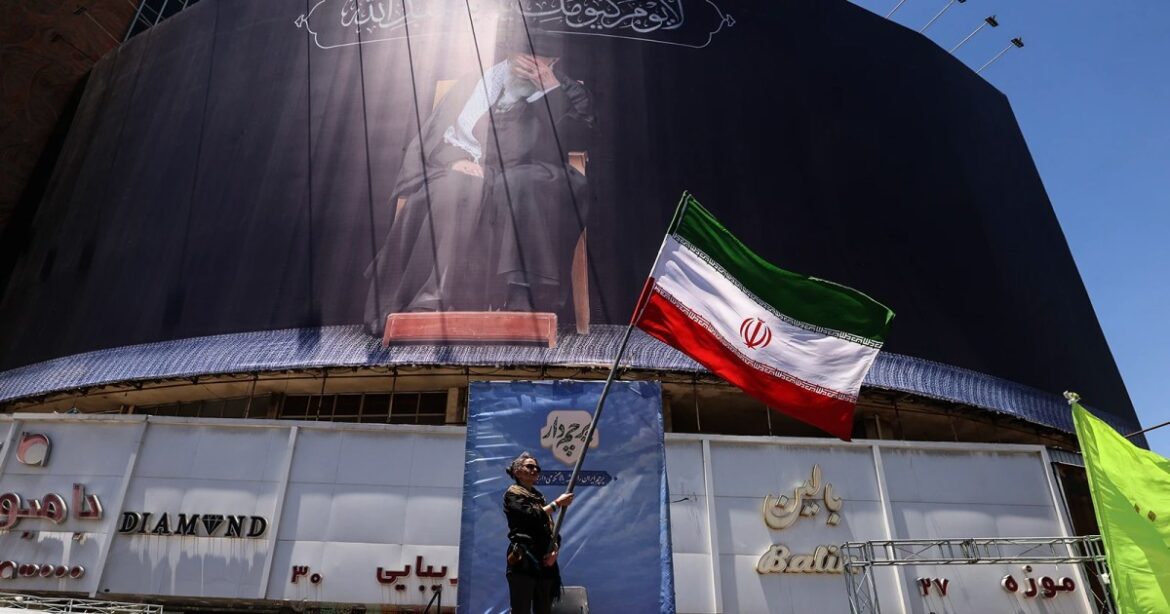
Back to the table in Geneva — after a war that ended where it began
There is a scene that keeps returning, unbidden. It is the morning of 26 February, and in Geneva, Iranian and American negotiators are sitting across a table from one another, putting concessions and demands on paper. The Strait of Hormuz is open. Ships are moving. The nuclear question is live but contained. Multiple sources who were present have confirmed that those talks were, by the cautious standards of diplomacy, going somewhere. Forty-eight hours later, the bombs began to fall.