By Staff Reporter
ISLAMABAD: Pakistan’s opposition Pakistan Tehreek-e-Insaf (PTI) party of former prime minister Imran Khan on Thursday fiercely opposed any potential military operation in its ruled Khyber Pakhtunkhwa province amid a spike in terror incidents, prompting a federal minister to assert that action against militants under the National Action Plan (NAP) would press ahead despite their resistance, as peace talks with the banned Tehrik-e-Taliban Pakistan (TTP) faltered in Bajaur.
The sharp exchange unfolded in the National Assembly, where PTI leader and former speaker Asad Qaiser vowed to block any offensive in the PTI-governed province. “We will resist any such attempts,” Qaiser said, aligning with PTI founder Khan’s directive to the provincial government to oppose military moves. Tribal communities have also voiced fears over fresh operations.
Minister of State for Interior Talal Chaudhry, in response, dismissed talk of a new operation but stressed that NAP measures would not be halted. “Nobody can stop such measures,” he said, pressing Khyber Pakhtunkhwa authorities to step up against militancy.
He pointed out that the province had received Rs700 billion under the National Finance Commission (NFC) Award for counterterrorism but lamented its failure to bolster law enforcement capacity. Turning to Qaiser, Chaudhry fired a pointed jab: “I know why you are disturbed.” He accused PTI leaders of resettling TTP fighters in Pakistan, questioning their loyalties. “Are you with the militants or the state?” he demanded.
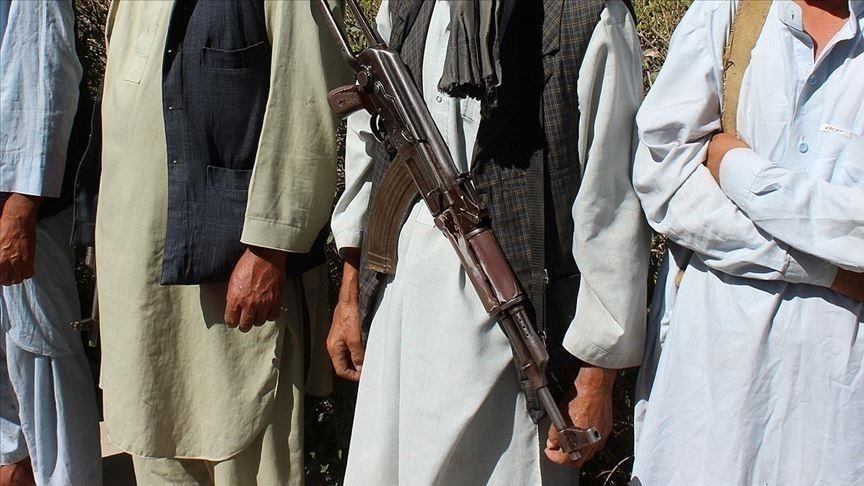
The clash coincided with ongoing efforts to negotiate peace in Bajaur, where the fifth round of talks between the TTP and a local jirga collapsed. The Taliban dug in, refusing to leave the district or shift from populated areas, local media reported. They demanded that security forces halt group movements or convoys, insisting on prior notice through the jirga for any supply runs to posts. They also called for a mutual ceasefire.
Maulana Tariq, part of the negotiating team, described the mood as positive despite the deadlock. “The dialogue took place in a pleasant atmosphere, and it is hoped that progress in this process is possible,” Tariq said. Noting the presence of 10 religious scholars in the delegation, he said that “some softness was observed in the Taliban’s behaviour and signs of improvement in the talks were visible.”
Tariq said the next move would hinge on consultations with stakeholders. Bajaur remains tense, with armed TTP groups, many of them Afghans, refusing repatriation or handover to Kabul, active in areas like Mamond, stoking local fears. Security forces have kept operations limited, holding off on a full-scale push to give the jirga’s peace bid room to succeed.
Barrister Muhammad Ali Saif, adviser to Khyber Pakhtunkhwa’s chief minister, said that time was being granted for talks at the urging of Bajaur elders. “After the jirgas of various districts, a grand jirga will be formed which will present its collective proposals for peace,” he said, signalling further dialogue with the federal government.
Security agencies and district officials back the process, but sources say the Taliban’s rigid stance dims hopes for a breakthrough.
Swat Jirga
Meanwhile, the Swat Qaumi Jirga also rejected any military operation in the region, warning that the people of Swat would no longer tolerate actions taken under the guise of counter-terrorism. Instead, the jirga urged the government to empower local police with full authority to combat terrorists and restore lasting peace in the valley.
Addressing a “Meet the Press” session at the Swat Press Club, prominent jirga members, highlighted the sacrifices made by the people of Swat in the fight against terrorism. They expressed their unwillingness to endure further losses, citing the region’s troubled past with military interventions.
The jirga acknowledged reports of terrorists operating in various parts of Swat and stressed the need for immediate action. However, they insisted that such operations be conducted by the police rather than the military.
Quoting the Regional Police Officer (RPO) of Malakand, they asserted that the Swat police were fully equipped and capable of confronting any threat. “Any attempt to launch another military operation would face strong public resistance,” they warned. Emphasizing that maintaining peace was a collective responsibility, the jirga assured the police of their full support in restoring Swat’s reputation as a haven of peace.
Swat, a scenic valley in Khyber Pakhtunkhwa province, has long grappled with the scars of terrorism. In 2009, a major military operation against the Taliban displaced thousands of residents. Though relative calm has since returned, recent reports of terrorist activity and the killing have heightened local concerns.
Copyright © 2021 Independent Pakistan | All rights reserved