By Staff Reporter
ISLAMABAD: The government moved swiftly to shield flood-ravaged households from August electricity bills, a rare concession that underscores the tension between immediate disaster relief and the fiscal austerity demanded by a $7 billion International Monetary Fund bailout.
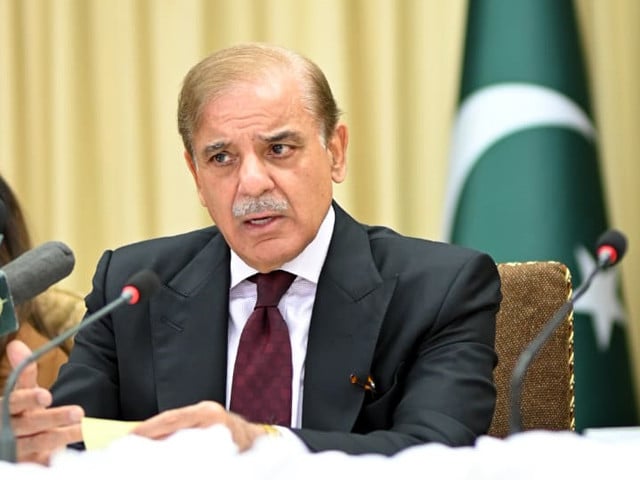
Prime Minister Muhammad Shehbaz Sharif on Saturday directed electricity distribution companies to immediately halt collection of August 2025 bills from consumers in flood-hit areas, according to a statement from his office.
The order came during a meeting on power tariffs amid the deluge that’s already claimed 972 lives, per the National Disaster Management Authority, and is threatening to exacerbate food inflation while dragging on economic growth.
“After matters are finalised with the IMF, a detailed package regarding electricity bills for affected areas will be formally announced,” the Prime Minister’s office said in a statement.
“For those flood-affected consumers from whom the August 2025 electricity bill has already been collected, it will be adjusted in the next month,” the Prime Minister directed.
The step builds on Sharif’s Friday directive to the Finance Ministry to urgently negotiate a one-month electricity bill waiver with the IMF for households battered by the floods that have killed hundreds, displaced millions and ravaged crops across Punjab and Sindh. Officials are calling it Punjab’s worst flooding in history.
Sharif’s push reflects the tightrope Pakistan is walking under its IMF program, which requires phasing out energy subsidies to rein in deficits. A broad exemption for flood victims could slash utility revenues and widen fiscal gaps, potentially breaching bailout terms without the fund’s approval and jeopardising future disbursements.
“Floods have affected millions of people across Pakistan… We are making every possible effort to ease the suffering of the people in this difficult time,” the statement quoted Sharif as saying. The deluge has wiped out crops, livestock and homes in Punjab and is now advancing into Sindh, stoking risks of fresh food inflation and compounding hardship in an economy already grappling with a slowdown.
An analyst estimated the agricultural damage could trim as much as 0.2 percentage point from growth this year, though reconstruction-led demand might provide a partial counterbalance. Adding to the pressure, the State Bank of Pakistan is projected to hold its key rate steady at 11% when it meets on Monday, according to a poll of economists. Policymakers face the dilemma of curbing inflation pressures from crop losses while supporting an economy that’s losing momentum.
IMF condolences
The IMF, which ranks Pakistan among the nations most exposed to climate change under the Global Climate Risk Index, expressed deep condolences on Saturday for the mounting death toll. The Washington-based lender’s upcoming review mission under the Extended Fund Facility will scrutinize whether the government’s fiscal policies and emergency spending can cope with the crisis.
“The mission will assess whether the FY26 budget, its spending allocations and emergency provisions remain sufficiently agile to address the spending needs necessitated by the floods,” said Mahir Binici, the IMF’s resident representative in Pakistan.
The review comes as Pakistan eyes the next tranche of $1.4 billion approved by the IMF board in May. That facility aims to bolster the country’s economic resilience against climate vulnerabilities and natural disasters, but disbursements hinge on passing successive EFF reviews. Pakistan’s vulnerability to such shocks has long strained its finances, with recurring floods amplifying the need for flexible budgeting even as the IMF program enforces spending restraint.
Copyright © 2021 Independent Pakistan | All rights reserved