By Staff Reporter
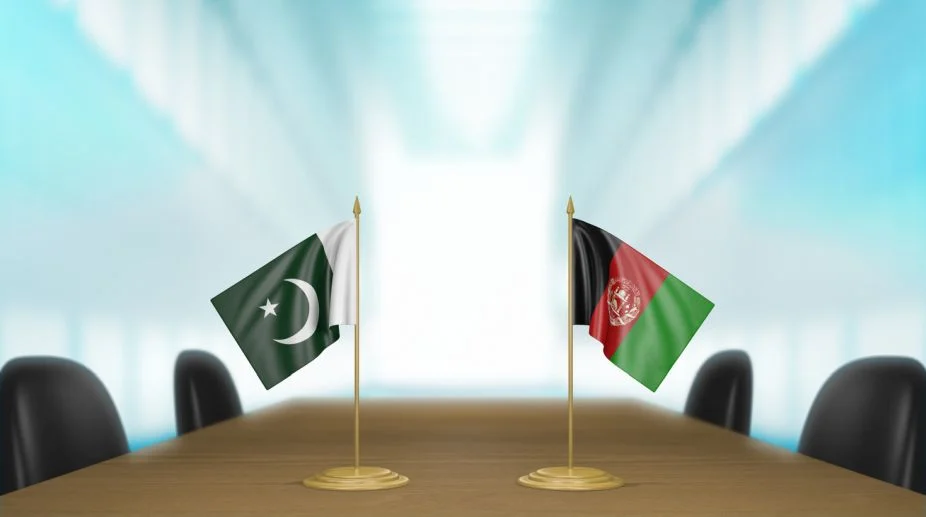
ISLAMABAD: Turkish and Qatari mediators are pressing the Afghan Taliban delegation on Pakistan’s demands to end cross-border terrorism, with efforts underway to secure an agreement before the scheduled end of talks here on Saturday, officials and diplomatic sources said on Friday.
The negotiations, the third round between Pakistan and the Afghan Taliban since deadly border clashes last month, are taking place at Istanbul’s Conrad Hotel amid restricted media access. They are focused on halting cross-border terrorism and establishing a framework for monitoring and verifying counterterrorism commitments, with intelligence chiefs from both sides leading their delegations.
Officials familiar with the matter said the talks could extend beyond Saturday if necessary. In Islamabad, Foreign Office spokesperson Tahir Hussain Andrabi told reporters at a weekly media briefing that the Pakistani delegation had presented its case to the mediators in a comprehensive and evidence-based manner. “The Pakistan delegation has handed over its evidence-based, justified, and logical demands to the mediators with a singular aim to put an end to cross-border terrorism,” Andrabi said. “The mediators fully endorsed Pakistan’s stance on the basis of evidence provided by our side, as well as the tenets of international law and principles.” “They are now discussing Pakistan’s demands with the Afghan delegation point by point,” he added. Sources privy to the discussions described progress so far as “encouraging,” adding that “an understanding may be achieved on some outstanding points.”
But they cautioned that an agreement on verifiable enforcement against terrorist groups remained elusive.Pakistan has urged the Afghan Taliban to disassociate from the banned Tehreek-i-Taliban Pakistan, and to take concrete action against anti-Pakistan elements operating from Afghan soil. Islamabad is seeking a clear decree from Kabul explicitly committing to distancing itself from the TTP.
Since the talks resumed on Thursday morning, the mediators have been primarily engaged with the Afghan side. “Interlocutors are working with mediators to achieve a balanced understanding,” Dawn newspaper reported. Potential areas of convergence include counterterrorism cooperation and border security protocols, but persistent mistrust and Kabul’s ambiguous stance on the TTP continue to pose challenges to a lasting deal.
The Istanbul talks follow weeks of shuttle diplomacy after the border clashes plunged relations between the neighbors to their lowest point since the Taliban seized power in Kabul in 2021. The hostilities began with an attack on Pakistan from Afghanistan on the night of Oct. 11, following Taliban allegations of Pakistani airstrikes into Afghanistan, an accusation that Islamabad has neither confirmed nor denied.
Islamabad has long demanded that the Taliban prevent terror groups from using Afghan soil against Pakistan, though the Taliban deny allowing such operations. Pakistan continues to grapple with terrorism, suffering multiple casualties among security forces in intelligence-based operations. After the initial skirmish on Oct. 11, multiple others occurred along the Pakistan-Afghanistan border, with strikes by Islamabad targeting camps of the Gul Bahadur group in Afghanistan. A ceasefire was agreed upon on the evening of Oct. 15, leading to dialogue in Doha. Since the skirmishes between Oct. 11 and 15, representatives from Pakistan and the Afghan Taliban have held two prior rounds of talks — first in Doha and then in Istanbul — without achieving a final agreement.
After the Doha talks, a temporary ceasefire held while the sides committed to reconvene in Istanbul to develop mechanisms for lasting peace and stability. The second round began in the Turkish capital on Oct. 25. But on Oct. 29, Information Minister Attaullah Tarar announced in a post on X that the talks “failed to bring about any workable solution.” Mediators from Turkey and Qatar intervened to salvage the process, leading to an Oct. 31 joint statement from Turkey stating that “further modalities of the implementation will be discussed and decided” during a principal-level meeting in Istanbul on Nov. 6.
For this third round, under joint mediation by Turkey and Qatar, delegations arrived in Istanbul on Wednesday. The talks began on Thursday, surviving a brief exchange of fire along the border that tested the shaky ceasefire. Two people, including a woman, were killed on the Pakistani side in the cross-border exchange at the Chaman-Spin Boldak crossing. Pakistan rejected claims by the Afghan regime regarding the latest exchange at the Chaman border crossing, saying the incident was triggered from the Afghan side.
In a statement posted on X, the Ministry of Information and Broadcasting said firing was initiated by Afghan forces, prompting Pakistani security personnel to respond “in a measured and responsible manner.” “The situation was brought under control due to the disciplined and professional action of our forces,” the statement said, adding that the ceasefire at the border remains intact. The ministry said Pakistan remains committed to resolving border matters through dialogue and expects “reciprocity and seriousness” from Kabul.“Pakistan has consistently worked to maintain peace along the Pak-Afghan border,” the statement added, urging Afghan authorities to avoid steps that escalate tensions.
Copyright © 2021 Independent Pakistan | All rights reserved