By Staff Reporter
KARACHI: Barrick is delaying development of its flagship Reko Diq copper and gold mine in Pakistan, citing the war in the Middle East and a sharp deterioration in security across Balochistan province, where the project is located, FT reported on Thursday.
The Toronto-based miner launched a strategic review of the asset last month after a surge in separatist violence. In a letter sent this week to its Pakistani equity partners and the project’s local operator, Barrick said preliminary findings from that review, combined with escalating security risks in Pakistan and the Middle East, required a deeper assessment of potential impacts and the overall delivery strategy.
“As a result, development activity will be slowed, with a corresponding reduced project spend, for a 12-month period commencing in July,” the company wrote. The extended review and slower pace “will impact previously stated budgets and timelines.” Barrick declined to comment.
The decision, confirmed by three people involved with the project, comes just ahead of a scheduled board meeting next week to finalise the mine’s strategy. It marks a significant setback for Pakistan, which had viewed Reko Diq as a cornerstone of efforts to exploit the mineral-rich but impoverished Balochistan province and generate badly needed foreign exchange.
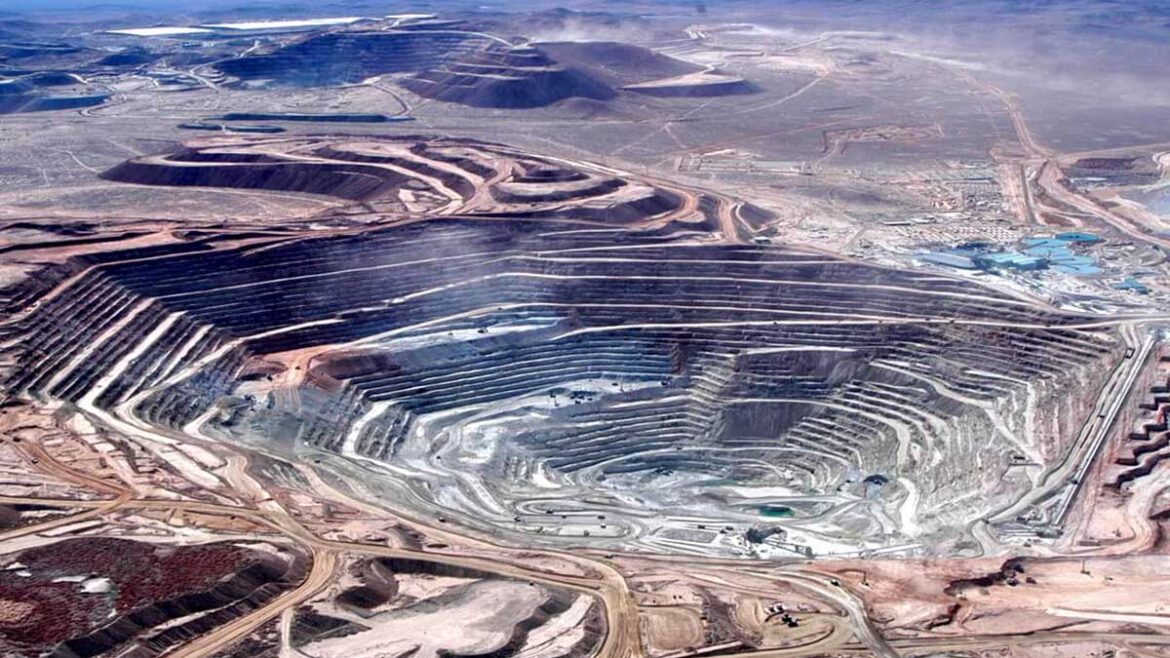
Reko Diq, situated in western Balochistan near the borders with Afghanistan and Iran, is one of the largest undeveloped copper-gold deposits in the world. Once fully built, it is expected to produce as much as 400,000 tonnes of copper and 500,000 ounces of gold annually. Barrick has projected the mine could generate more than $70 billion in free cash flow over its 37-year life. The total project cost is estimated at $9 billion.
Barrick owns 50% of the venture and controls the board. The remaining equity is held by three Pakistani state-owned enterprises and the Balochistan provincial government. First production, previously targeted for 2028 – a schedule that local partners privately viewed as ambitious – will now slip to 2029 at the earliest, according to officials.
The Middle East conflict, including the war in Iran, has complicated logistics and driven up costs. Supplies of fuel and mining equipment that would normally ship from the Gulf have become harder to secure, while spiraling oil and gas prices have forced a fresh look at the project’s overall spending, they added. The broader turmoil has also roiled global markets for key commodities.
The delay is a blow to Pakistan’s economic strategy. The cash-strapped nation has turned to the International Monetary Fund two dozen times for bailouts; its current program began in 2024. Islamabad had hoped Reko Diq would deliver a sustained inflow of hard currency and help ease mounting public debt. Balochistan, a region roughly the size of Germany, has long been plagued by a separatist insurgency. Ethnic Baloch militants, partly motivated by resentment over foreign companies extracting the province’s natural resources, have stepped up attacks. In late January, insurgents carried out a coordinated assault on more than a dozen sites across the province, killing 48 people.
The project’s prospects have also been clouded by leadership changes at Barrick. The abrupt exit last year of former Chief Executive Officer Mark Bristow – who had championed Reko Diq and cultivated close ties with Pakistan’s military and political establishment – has fueled uncertainty, according to people involved with the mine. His successor, Mark Hill, is viewed as more cautious on high-risk jurisdictions.
Copper’s strategic importance has only grown. The metal, essential for power transmission, construction and the wiring of AI data centers, faces chronic supply constraints as existing mines age and new projects prove difficult to bring online. Prices have climbed sharply amid expectations of medium-term shortages. Gold, meanwhile, has rallied to successive records, peaking above $5,000 a troy ounce in January.
Last year the U.S. Export-Import Bank signaled that an early financing deal under its new leadership would include a $1.25 billion loan for Reko Diq. Industry analysts have long warned that while Reko Diq could rank among the world’s biggest copper-gold operations, it will be expensive and technically demanding to develop.
Copyright © 2021 Independent Pakistan | All rights reserved