By Staff Reporter
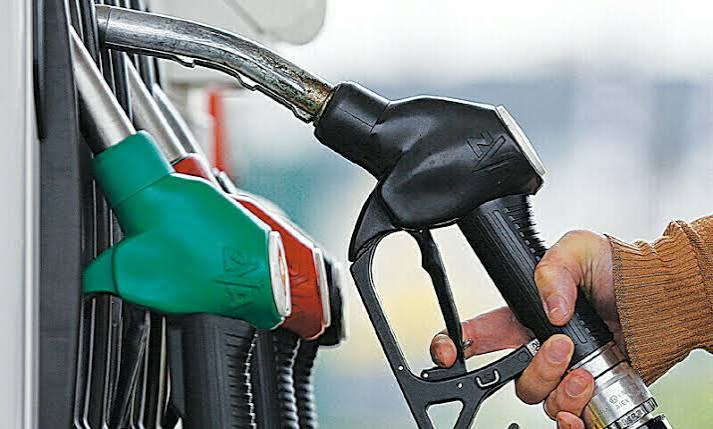
ISLAMABAD: Pakistan raised pump prices for gasoline and diesel for a fifth consecutive session on Friday, the latest increase under a newly installed daily pricing mechanism that has left the government managing both a volatile Gulf oil market and an increasingly restive network of fuel retailers.
The Petroleum Division, in a notification, said petrol would rise 3.66 rupees to 335.18 rupees a liter, while high-speed diesel would climb 4.80 rupees to 383.46 rupees, effective Saturday. The increases extend a run of daily adjustments that began July 21, when Islamabad abandoned a weekly review system it had used since March in favour of pricing that tracks international crude markets in near real time.
The move marks the second overhaul of Pakistan’s fuel pricing framework in five months. The government had shifted from a longstanding fortnightly review to weekly adjustments after fighting between Israel, the US and Iran erupted on February 28, a conflict that briefly closed the Strait of Hormuz and sent domestic pump prices surging from roughly 266 rupees a liter for petrol and 281 rupees for diesel to peaks above 458 rupees and 520 rupees, respectively, by early April. Prices eased through May and June as the initial shock faded, before climbing again this month as a fragile truce between Tehran and Washington broke down.
Under the revised structure approved by Prime Minister Shehbaz Sharif’s cabinet, the Oil and Gas Regulatory Authority calculates ex-depot prices using a seven-day rolling average of international benchmarks and publishes updated rates without requiring sign-off from the prime minister or the finance ministry on a case-by-case basis. Rates set on Fridays carry through the weekend unchanged. Petroleum Minister Ali Pervaiz Malik has said the shift is intended to let domestic prices reflect global crude swings more quickly than the previous weekly system allowed, and to bring Pakistan’s methodology closer to international norms.
The daily mechanism has not gone unchallenged. Dealers represented by petrol pump owners’ associations pushed back within days of the system’s rollout, arguing that constant price movement squeezed their margins and complicated inventory management. A planned nationwide strike was called off only after Malik met with association representatives and agreed to review dealer-margin concerns, with government officials indicating the daily system itself would run on a trial basis before any permanent adjustment. The Petroleum Division notification did not name a specific date for that review, and the arrangement between the ministry and dealers has not been formalised in writing, according to accounts of the negotiations.
Separately, the pricing framework document seen by local media lays out changes to import arrangements for the fiscal year that began July 1. High-speed diesel imports will now be routed exclusively through state-run Pakistan State Oil, while private oil marketing companies will retain the right to import petrol in proportion to their existing market share. Companies that fall short of import or upliftment obligations face a nine-month freeze on new import permissions — a provision aimed at tightening compliance across a supply chain that has come under strain during the conflict-driven price swings.
Petrol and diesel remain the two largest sources of fuel-related tax revenue for the government, with combined monthly sales in the range of 700,000 to 800,000 tonnes, dwarfing kerosene demand of roughly 10,000 tonnes a month. Current pump prices embed close to 110 rupees a liter in taxes and duties on petrol and about 96 rupees on diesel, a levy structure that has drawn scrutiny as global crude prices have swung sharply over the past five months. The framework document specifies that the petroleum levy itself is capped at a rate set by the federal cabinet, and any adjustment to that levy requires separate approval from the finance division — distinguishing it from the ex-depot price changes Ogra now issues daily.
The price increases land at a sensitive moment for household budgets. Petrol is the dominant fuel for motorcycles, rickshaws and small private vehicles, putting its cost squarely in view for middle- and lower-income commuters, while diesel underpins freight transport, agriculture and a meaningful share of Pakistan’s power generation — meaning cost pressure there tends to move through the broader economy via freight and electricity costs rather than showing up only at the pump.
Kerosene and light diesel oil prices will also move to daily pricing under the same framework, according to the cabinet-approved document, though their far smaller sales volumes make them a secondary concern relative to petrol and diesel for both consumers and the exchequer.
Copyright © 2021 Independent Pakistan | All rights reserved