By Staff Reporter
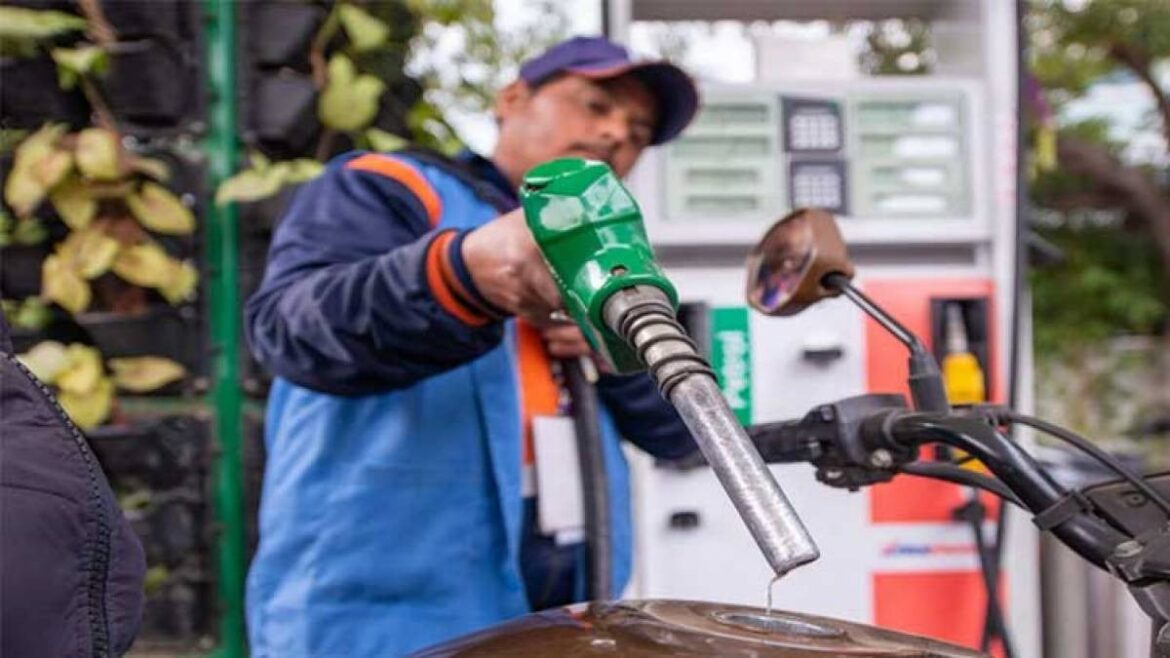
ISLAMABAD: Pakistan left retail fuel prices unchanged through the weekend, a technical pause built into a new daily pricing mechanism the government adopted just weeks ago to keep pace with oil markets roiled by the conflict between Iran and the United States.
The Petroleum Division said in a notification on Saturday that petrol and high-speed diesel prices would hold at Friday’s levels through Sunday because Platts, the benchmark price-reporting agency the government now relies on, does not publish reference prices on weekends. The freeze extends increases announced for July 25 through July 27.
Petrol now costs 335.18 rupees a liter and high-speed diesel 383.46 rupees, after Friday’s increases of 3.66 rupees and 4.80 rupees, respectively. The government collects 110 rupees a liter in taxes and duties on petrol and 96 rupees on diesel — a levy structure that has drawn scrutiny as pump prices climb.
The pause caps a volatile stretch for Pakistani motorists and businesses. Diesel prices peaked at 520.35 rupees a liter on April 3, more than 85% above the 281 rupees a liter level from which they started climbing after the US and Israel struck Iran on February 28, prompting Tehran to close the Strait of Hormuz. Petrol followed a similar arc, rising from 266 rupees in early March to a peak of 458.41 rupees on April 3.
Prices have since retreated from those highs but remain elevated as the conflict drags on. Tensions flared anew after a fragile truce between Tehran and Washington, reached in June, collapsed, reviving fears of a broader war and renewed disruption to energy flows through the strait — a corridor that had carried roughly a fifth of the world’s traded energy supplies before the fighting began.
Shift to Daily Pricing
The government moved to daily price-setting from a weekly review system that had been in place since early March, Petroleum Minister Ali Pervaiz Malik said, citing the need to track international price swings more closely as the regional conflict threatens supply. The change marks the second overhaul of Pakistan’s fuel-pricing framework this year; rates had been revised fortnightly before the war began.
Malik said the federal cabinet and Prime Minister’s Office have handed the Oil and Gas Regulatory Authority, or Ogra, authority to set fuel prices daily based on international trends, calculated from a seven-day rolling average of global benchmarks. Ogra has begun posting updated petroleum product prices on its website daily, the government said, a move intended to pass through international price swings more quickly and transparently to consumers.
An official document laid out the mechanics of the cabinet-approved framework. Ogra can now issue daily ex-depot prices for petrol and diesel without seeking prior sign-off from the prime minister or federal government. Prices set on Fridays carry through the weekend, since Ogra will not publish fresh Platts reference prices on Saturdays or Sundays. Daily Platts postings are set to begin July 1, 2026, according to the document. Separately, the petroleum levy is capped at a level the cabinet has approved, and any adjustment to that levy will need sign-off from the Finance Division.
The document also revised fuel import rules for the 2026-27 fiscal year. High-speed diesel imports will now run exclusively through state-owned Pakistan State Oil, while oil marketing companies will import petrol in proportion to their market shares. Firms that miss import or upliftment obligations face a suspension of new import permissions for as long as nine months. Kerosene and light diesel oil prices will also move to daily pricing under the same framework, the document said, directing authorities to implement the changes without delay.
Dealers Push Back
The All Pakistan Dealers Association has rejected the daily pricing shift and said it is weighing a protest campaign this week, though it has not detailed specific demands or a timeline for action.
The stakes are broad. Petrol and diesel account for the bulk of Pakistan’s fuel-related tax revenue, with combined monthly sales of roughly 700,000 to 800,000 tonnes, dwarfing the 10,000 tonnes of kerosene sold each month. Petrol price swings are felt most by lower- and middle-income households that rely on motorcycles, rickshaws and small private vehicles, while diesel costs ripple through the broader economy via freight transport, power generation and industrial machinery — making fuel pricing one of the most politically sensitive levers available to Islamabad as the Iran-US conflict continues to unsettle global energy markets.
Copyright © 2021 Independent Pakistan | All rights reserved