By Staff Reporter
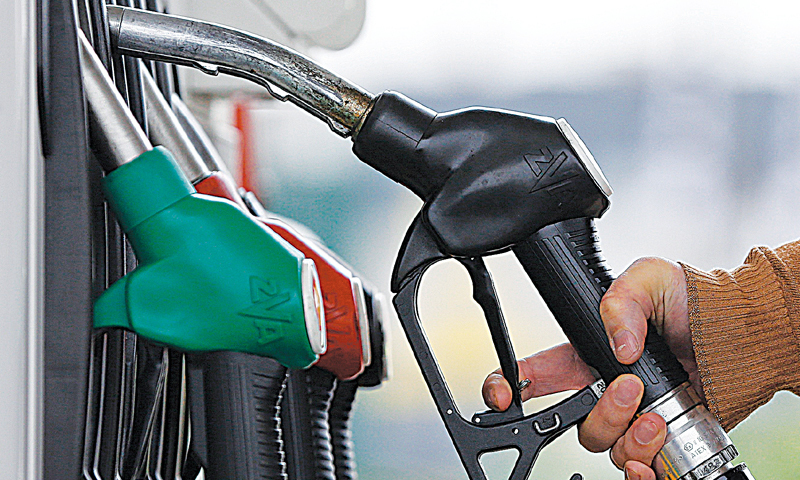
ISLAMABAD: Pakistan raised retail petrol and diesel prices for a second consecutive day on Thursday, the latest sign that the government’s switch to daily fuel pricing is translating international oil-market swings into pump prices with a speed Pakistani consumers have not experienced before.
The Petroleum Division said petrol will rise 1.09 rupees to 336.15 rupees a liter, while high-speed diesel will increase 2.42 rupees to 393.04 rupees, effective Friday. Both fuels remain among the government’s most reliable sources of tax revenue: petrol carries 110 rupees a liter in taxes and duties, and diesel 96 rupees, regardless of where crude prices settle.
The increases mark a retreat from the extremes hit earlier this year. Diesel is still well below the 520.35-rupee peak it touched on April 3, after climbing from 281 rupees a liter following the outbreak of hostilities between the US and Iran on February 28. Petrol peaked the same day at 458.41 rupees, having started its climb from 266 rupees in the first week of March — a run-up of more than 70% in roughly a month.
That episode prompted Petroleum Minister Ali Pervaiz Malik to announce a fundamental change to how Pakistan sets fuel prices. Rather than the twice-monthly revisions the country had used for years, the government moved to daily adjustments, arguing that international benchmarks were moving too fast for a fortnightly system to keep pace. Malik said the cabinet and the prime minister had shifted responsibility for day-to-day pricing to the Oil and Gas Regulatory Authority, letting the regulator set rates directly off global market trends without requiring sign-off from the prime minister’s office each time.
The change followed weeks of ad hoc management of the crisis. Starting in early March, the government had already begun revising prices weekly rather than fortnightly, while simultaneously rolling out fuel-conservation measures to guard against supply disruptions tied to the wider Middle East conflict. In April, with prices at their peak, the federal government layered on targeted subsidies aimed at cushioning the impact for consumers least able to absorb it.
Not everyone has welcomed the new approach. The All Pakistan Dealers Association rejected the move to daily pricing and said it was weighing a protest campaign this week — a sign that the frequency of price changes, not just their direction, has become its own point of contention among fuel retailers who must adjust constantly rather than plan around a predictable biweekly cycle.
The distinction between the two fuels matters for who feels the impact most. Petrol is the fuel of the household budget — powering private cars, motorcycles, rickshaws and other small vehicles — making it a direct pressure point for Pakistan’s middle and lower-middle classes. Diesel cuts a wider swath through the economy: it fuels the heavy trucking fleet that moves goods across the country, along with power plants and large generators, meaning its price feeds into everything from freight costs to electricity generation.
Together, the two fuels anchor Pakistan’s petroleum tax base, with combined monthly sales running between 700,000 and 800,000 tons. Kerosene, by contrast, moves barely 10,000 tons a month — a reminder of just how central petrol and diesel are to both the country’s fiscal position and its daily economic life.
Copyright © 2021 Independent Pakistan | All rights reserved