By Staff Reporter
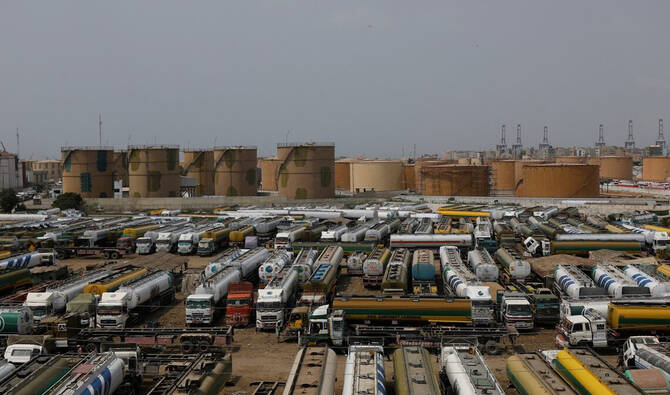
ISLAMABAD: The government approved a plan allowing international fuel suppliers to build and operate their own bonded storage facilities in the country, a move aimed at insulating the South Asian nation from the kind of supply shocks triggered by the recent closure of the Strait of Hormuz.
The Economic Coordination Committee, the cabinet’s top economic decision-making body, signed off on the guidelines on Monday at a meeting chaired by Finance Minister Muhammad Aurangzeb. The framework — languishing since June 2023 — will take effect immediately, pending formal ratification by the full federal cabinet.
Under the policy, foreign suppliers will be permitted to import crude oil, gasoline, diesel, jet fuel, furnace oil, and liquefied petroleum and natural gas into Pakistan at their own expense, storing the products in bonded facilities for either re-export or sale to local refiners and oil marketing companies. The suppliers will bear the cost of developing dedicated storage terminals or leasing space in existing bonded warehouses, effectively transferring inventory risk away from the Pakistani state and onto global energy trading houses.
The push follows disruptions in the strategic waterway between Iran and Oman, which handles roughly a fifth of the world’s oil supply and has become a chokepoint of concern for import-dependent economies like Pakistan’s. The government approved allowing foreign fuel suppliers to establish bonded storage facilities in Pakistan following recent supply disruptions after the closure of the Strait of Hormuz.
The Federal Board of Revenue, Pakistan’s tax collection agency, had resisted the proposal, warning of complications in monitoring and revenue collection. That objection was ultimately overridden, with the petroleum minister’s push to engage Middle Eastern suppliers winning support from most other stakeholders around the table.
Tax-Neutral Structure for Suppliers
The guidelines are built around keeping foreign suppliers and their local consignees largely outside Pakistan’s domestic tax net. Suppliers and consignees won’t need to register under the Sales Tax Act, nor will they face filing obligations or liabilities tied to domestic sales — a carve-out designed to make Pakistan more attractive as a destination for trading inventory.
That tax burden instead falls on the buyer. Oil marketing companies and refineries purchasing product out of bond will be treated as the importer of record, responsible for sales tax registration, return filing, and payment of duties at the point of ex-bonding.
Approved storage locations include Port Qasim Authority, KPT/Keamari, Hub and Gwadar Port, along with inland sites at Mahmood Kot and Machike, Sheikhupura. Suppliers will also gain access to Pakistan’s national petroleum pipeline network to shift bonded inventory from ports to inland storage without triggering duties or taxes on the pipeline movement itself, though customs filing requirements remain.
Sales between foreign suppliers and Pakistani buyers will be settled in foreign currency, paid directly into the supplier’s overseas bank account through an authorized dealer — a structure that keeps transactions outside rupee-denominated banking channels.
Pricing Flexibility, With Limits
Foreign suppliers will retain the right to price bonded fuel sold to local buyers on a commercially negotiated basis, free from the price controls Pakistan’s oil and gas regulator normally imposes. The Oil and Gas Regulatory Authority’s pricing framework will instead apply only to the onward sale of that fuel by domestic purchasers — leaving suppliers’ import pricing untouched while regulating what happens once the product changes hands locally.
Suppliers also retain an unconditional right to re-export bonded stock at any point, unconstrained by Ogra’s domestic pricing rules.
The policy carves out emergency powers for the government to draw on bonded stockpiles, but only under tightly defined conditions: a formally declared war, armed conflict, major natural disaster, or a documented collapse of domestic supply. Routine shortages, price swings, or geopolitical tremors that don’t actually disrupt supply won’t qualify.
Should the government invoke that authority, it must issue a formal notice specifying volume, product type and delivery point, with requisitioned stock purchased and removed within 14 days. Compensation will be pegged to the weekly average Platts price assessment for the relevant product and delivery point, paid in foreign currency within 15 days of delivery. Suppliers cannot be compelled to hold reserve stock on standby.
To keep regulators apprised of what’s actually sitting in the country’s bonded terminals, consignees will be required to report inventory levels to Ogra daily, broken down by product grade, feeding into a centralized database accessible to relevant authorities.
The new framework runs parallel to — rather than replacing — the existing system under which licensed oil marketing companies and refineries import petroleum products on their own account, leaving that regime untouched.
Copyright © 2021 Independent Pakistan | All rights reserved