By Staff Reporter
ISLAMABAD: Pakistan repaid 1.2 trillion rupees of debt owed to its central bank ahead of schedule, the largest single early-repayment tranche the government has undertaken, an adviser to the finance minister said, as authorities press ahead with an effort to trim refinancing risk less than two months into the new fiscal year.
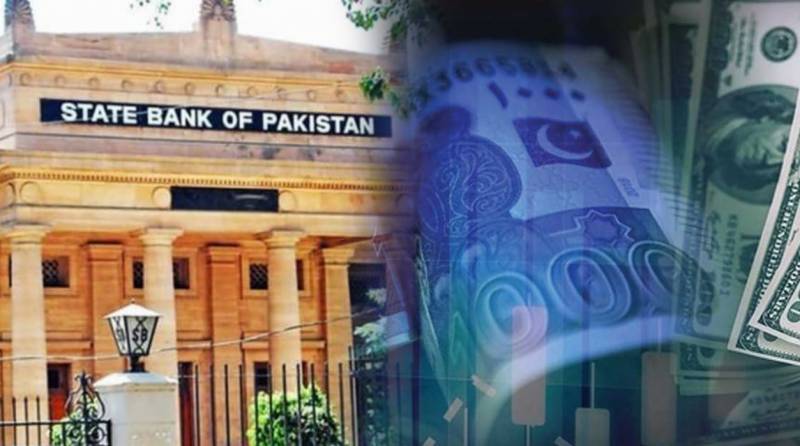
The payment to the State Bank of Pakistan brings cumulative early debt retirement to roughly 5.92 trillion rupees since October 2024, Khurram Schehzad, adviser to Finance Minister Muhammad Aurangzeb, said Saturday in a post on X.
“This is the single largest early-repayment tranche undertaken so far,” Schehzad said, noting it eclipsed the previous record of 1.133 trillion rupees ($4.1 billion) set in August 2025.
The move extends a run of early repayments Pakistan has made as it works to extend debt maturities and reduce its exposure to interest-rate swings, a vulnerability that has weighed on public finances for years. Fitch Ratings said in June that the country’s borrowing costs remain structurally elevated because of its heavy reliance on shorter-maturity domestic debt.
Schehzad’s tally shows a steady cadence of early repayments over the past two years: 826 billion rupees in October 2024, 200 billion rupees in November 2024, 273 billion rupees in March 2025, 500 billion rupees in June 2025 and 1.133 trillion rupees in August 2025. The pace continued into the current fiscal year with 122 billion rupees in November 2025, 494 billion rupees in December 2025, 300 billion rupees in January 2026, 595 billion rupees in April 2026 and 279 billion rupees in May 2026, before Saturday’s 1.2 trillion-rupee payment.
Pakistan retired about 1.8 trillion rupees of debt early in fiscal 2025, a figure that jumped to 2.9 trillion rupees in fiscal 2026 — an increase of roughly 62%, according to Schehzad. The latest payment alone accounts for the bulk of early retirement recorded so far in fiscal 2027, which began in July.
The repayments come as Pakistan works to hold to the terms of a $7 billion International Monetary Fund program. The IMF said in May that Islamabad had reaffirmed its commitment to a primary surplus equivalent to 2% of gross domestic product for the current fiscal year.
Even so, the country’s overall debt burden continues to grow. Government domestic debt totalled 59.44 trillion rupees at the end of June, up from 54.47 trillion rupees a year earlier, central bank data show. Debt servicing remains the single largest strain on the budget: Pakistan has earmarked 8.05 trillion rupees for interest payments in the fiscal year ending June 2027, equal to about 43% of total federal spending of 18.77 trillion rupees.
Schehzad framed the early repayments as evidence of a broader change in how the government manages its liabilities, shifting from simply tracking debt maturities to using improved fiscal space to retire obligations before they come due.
“Pakistan is increasingly moving from simply managing debt maturities to actively strengthening its sovereign balance sheet,” he said.
The strategy, he said, is intended to cut rollover and refinancing risk, ease the future burden of debt servicing and improve the overall profile of the country’s public debt.
Copyright © 2021 Independent Pakistan | All rights reserved