By Staff Reporter
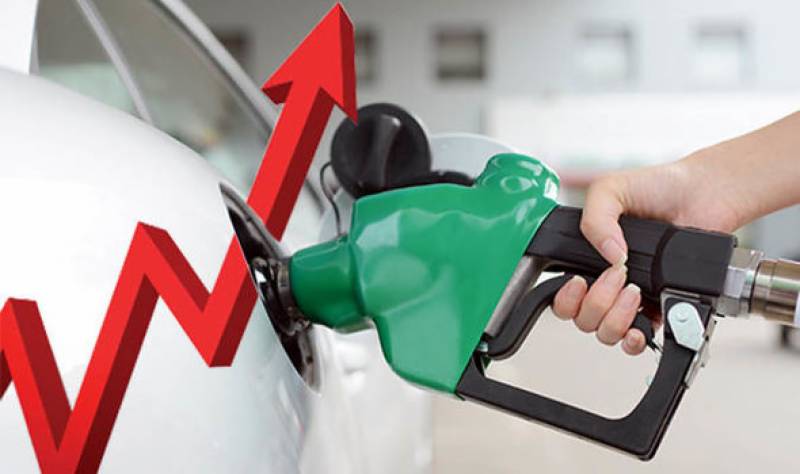
ISLAMABAD: Pakistan raised gasoline and diesel prices for a second consecutive day, as the government’s new daily pricing mechanism transmits gains in global crude markets directly to motorists just as an attack on Saudi energy facilities threatens to widen the conflict roiling the Middle East.
The Petroleum Division raised the price of petrol by 5.58 rupees a liter and high-speed diesel by 4.18 rupees, according to a notification issued on Tuesday. The increases take effect Wednesday, pushing petrol to 364.35 rupees a liter and diesel to 385.95 rupees. The government continues to levy 114 rupees per liter in taxes and duties on petrol and 100 rupees on diesel.
The move follows a steeper increase a day earlier, when the government raised petrol prices by 12.9 rupees and diesel by 3.72 rupees for Sept. 8, underscoring the volatility now baked into Pakistan’s fuel pricing since it abandoned weekly adjustments in favor of daily ones.
Petroleum Minister Ali Pervaiz Malik announced the shift to daily pricing on July 17, saying the cabinet and Prime Minister had assigned the Oil and Gas Regulatory Authority responsibility for setting prices based on international market trends. The change came as renewed hostilities between the U.S. and Iran drove sustained volatility into global oil markets, replacing a weekly mechanism the government had relied on since early March alongside fuel-conservation measures aimed at cushioning the country against potential supply disruptions.
Tuesday’s increase came hours after Iran-backed Houthi rebels in Yemen struck Saudi energy facilities, setting installations ablaze and pushing oil to a six-week high. Brent crude climbed 70 cents, or 0.7%, to $97.70 a barrel as of 10:56 a.m. in New York, putting it on track for its highest close since July 23. West Texas Intermediate rose $1.21, or 1.3%, to $92.69, its highest since June 4.
“The price action reflects both genuine physical tightness — tanker flows through Hormuz remain well below normal — and a clear geopolitical risk premium,” said Tim Waterer, chief market analyst at KCM Trade. “Right now the risk premium is doing a lot of the heavy lifting.”
The latest increases mark a retreat from the peaks reached in early April, when diesel touched 520.35 rupees a liter and petrol 458.41 rupees — both records set April 3 after prices began climbing in late February and early March following the outbreak of hostilities between the U.S. and Iran. Diesel had started the year at 281 rupees a liter before the conflict began Feb. 28; petrol traded as low as 266 rupees in the first week of March.
Petrol is used predominantly by private vehicles, motorcycles and rickshaws, making price swings a direct hit to household budgets across Pakistan’s middle and lower-middle classes. Diesel carries broader economic weight, powering heavy transport, power plants and large generators, which means increases ripple through freight costs and electricity generation alike. Petrol and diesel together drive the bulk of Pakistan’s fuel-related tax revenue, with combined monthly sales of roughly 700,000 to 800,000 tonnes, dwarfing the 10,000 tonnes of kerosene sold each month.
The exposure reflects a structural vulnerability in Pakistan’s economy. Petroleum products rank among the country’s largest import categories, according to the Pakistan Economic Survey 2025-26, and domestic refineries cover only a fraction of national demand. The shortfall is met through imports of crude and refined products, meaning every rise in global oil prices widens Pakistan’s import bill, strains foreign exchange reserves and adds to inflation.
That dependence has shaped decades of energy policy. Pakistan has historically leaned on subsidies and administrative price controls to shield consumers from swings in global crude markets, but the approach carried a steep fiscal cost. Successive governments delayed passing higher international prices on to consumers during periods of elevated global crude, leaving oil marketing companies, refineries and the national budget to absorb the difference. The resulting subsidies widened fiscal deficits, drove up public borrowing and weighed on macroeconomic stability — a legacy that helps explain the government’s shift toward a market-based daily pricing mechanism this year.
Copyright © 2021 Independent Pakistan | All rights reserved