By Staff Reporter
ISLAMABAD: Pakistan said it is ready to shift electricity subsidies entirely to its flagship cash-transfer program and reported first-quarter tax collection above target, strengthening its position in talks with the International Monetary Fund, according to people familiar with the discussions.
An IMF mission led by Iva Petrova wrapped up a session with Federal Board of Revenue officials on Wednesday. The talks noted that Pakistan beat its July-September revenue goal by a reasonable margin despite a difficult external backdrop.
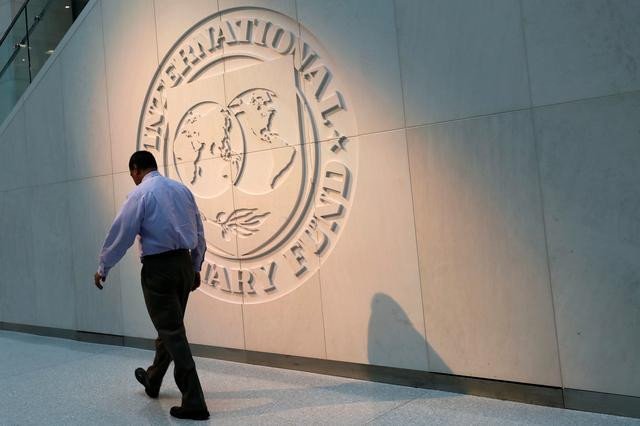
The mission has been in the country since Sept. 23. It is in Islamabad for the fourth review of the $7 billion Extended Fund Facility and the third review of the $1.4 billion Resilience and Sustainability Facility. A successful conclusion would entitle Pakistan to about $1.2 billion, comprising $1 billion under the EFF and $200 million under the RSF, by the end of October or early November, though waivers from the IMF board may be needed for slippages on structural benchmarks. Before the board meets, the government may need to complete a few procedural steps.
Subsidy overhaul
A separate session with officials from the Benazir Income Support Programme reviewed progress on a pledged increase of about 25% in cash transfers. It also covered moving power-sector subsidies off consumer tariffs and onto targeted BISP scorecard payments by January 2027, the people said.
The IMF has made that change a structural benchmark, requiring the cross-subsidy system to be replaced with a framework aimed at low-income consumers by early 2027. The power division is expected to provide further clarifications on ending the tariff subsidy in the coming days.
The World Bank is helping link electricity consumers to a national socioeconomic registry. Validity checks to establish eligibility criteria are expected to be done by late November.
The IMF is also pressing for the prime minister’s fuel subsidy to be delivered through BISP. The government has already pledged to shield the most vulnerable from food and fuel price swings by widening the coverage and capacity of BISP’s unconditional cash transfer, which is set at Rs18,000.
Revenue beat
The FBR said it collected Rs3.083 trillion in the first quarter of fiscal 2027, topping its Rs3.053 trillion target by Rs30 billion. Collection rose about 7% from Rs2.889 trillion a year earlier.
September receipts reached Rs1.360 trillion against a target of Rs1.343 trillion, a Rs17 billion beat. That was 11% higher than the Rs1.229 trillion collected in September 2025.
Sales tax drove the outperformance. Collections of Rs1.137 trillion exceeded the Rs1.051 trillion target by Rs86 billion and were up 11% from a year earlier. Inflation is lifting domestic sales tax revenue, particularly through petroleum prices: higher fuel costs raise the Petroleum Development Levy and push up the prices of other goods, generating additional sales tax.
Other categories fell short:
- Income tax: Rs1.437 trillion against a Rs1.484 trillion target, a Rs47 billion gap, though up 5% from Rs1.365 trillion.
- Customs duty: Rs312 billion against Rs320 billion.
- Federal excise duty: Rs197 billion against Rs198 billion, up 3% from Rs191 billion.
Higher-than-expected petroleum levy receipts helped the government offset the shortfalls. The FBR also paid out Rs203 billion in refunds and rebates in the quarter, up from Rs159 billion. The agency collected more than Rs13 trillion in fiscal 2026, beating a downwardly revised target of Rs12.983 trillion by over Rs21 billion. The target for fiscal 2027 is Rs15.264 trillion.
Oil risk
The Finance Ministry said on Wednesday that a bigger import bill driven by global oil prices remains a key challenge, even as the economy stabilised in the first two months of the fiscal year. In its monthly update, it called elevated crude prices the principal risk to the outlook, through their effect on purchasing power, input costs and imports.
Manufacturing strengthened on higher vehicle output and increased domestic cement dispatches, and early agriculture indicators were positive. “Together, these developments indicate that the recovery is gradually becoming more broad-based,” the ministry said.
Strong workers’ remittances and continued growth in IT exports helped narrow the current account deficit. The government said tax collection was broadly in line with targets and recent data showed a primary surplus.
Sources said the State Bank of Pakistan may tighten policy to limit second-round effects of the US-Iran conflict on energy prices. Consumer-price inflation exceeded 11% in August and was expected to end September between 10% and 11%.
The central bank held its benchmark rate at 11.5% on Sept. 14, saying that stance remained appropriate to guide inflation back toward its 5%-7% medium-term target. It had raised the rate by 100 basis points in April. The next policy decision is due Oct. 26.
The government separately announced a plan on Tuesday to develop the local-currency bond market. It would let the public trade government securities through the stock market, and the finance ministry said announcing the plan by Sept. 30 was required under the IMF program.
Copyright © 2021 Independent Pakistan | All rights reserved