By Staff Reporter
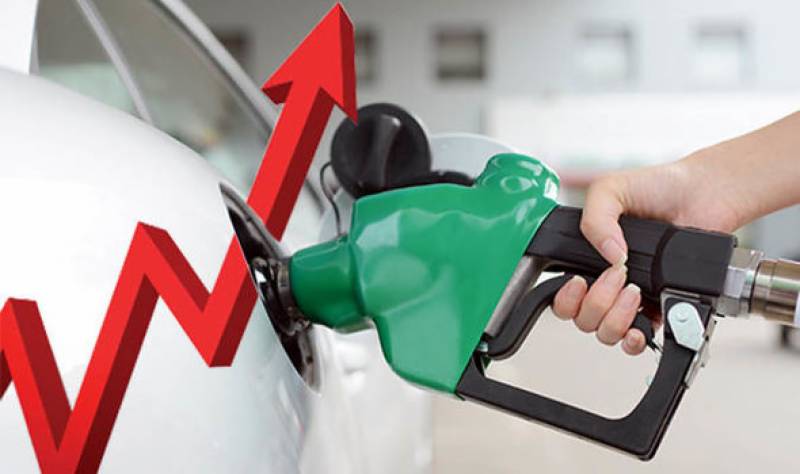
ISLAMABAD: The government raised the price of petrol by Rs3.26 a litre and cut high-speed diesel by Rs1.01 for Friday, the latest move under a daily pricing system that has swung pump rates by more than Rs100 a litre since the U.S.-Iran war began on Feb. 28.
Petrol will retail at Rs390.66 a litre and diesel at Rs399.34, according to a Petroleum Division notification. The government continues to levy Rs114 a litre in taxes and duties on petrol and Rs100 on diesel.
The increase comes after the prior day’s pricing round, when the government trimmed petrol by 14 paisas and diesel by Rs1.89 for Oct. 1. That left petrol at Rs387.40, down from Rs387.54, and diesel at Rs400.35, down from Rs402.24.
Both fuels remain well below their spring highs. Diesel, which started climbing from Rs281 a litre after the war broke out, peaked at Rs520.35 on April 3, so Friday’s price is about 23% lower. Petrol began its ascent from Rs266 in the first week of March and topped out at Rs458.41 on the same day; it is now about 15% below that level, though still roughly 47% above where it started.
The revision arrived on a day when oil moved sharply higher. Brent crude jumped more than $3 on Thursday after China suspended oil product exports, adding to fuel markets already short of supply. The new front-month December Brent contract traded at $101.20 a barrel at 12:47 p.m. EDT, up 3.2% from Wednesday’s close. The November contract expired Wednesday at $103.50, capping a monthly gain of about 14% for September. Prices later pared gains, with Brent near $99.77 and U.S. West Texas Intermediate at $90.79.
Chinese refiners have halted exports of oil products to regions beyond Hong Kong and Macau until further notice, four people briefed on the matter said. PetroChina has also scrapped October cargoes of gasoline and jet fuel, according to Reuters, while Zhejiang Petrochemical scheduled no product shipments during the holiday week. Beijing first curbed fuel exports in March, eased the limits in July and then began managing shipments monthly. The sources could not say whether permits would resume after the holiday ends on Oct. 7.
“The Chinese export ban suggests concerns about domestic product availability,” UBS analyst Giovanni Staunovo said. He added that it remains to be seen whether the measures will support higher crude imports after recent drawdowns in Chinese crude and fuel stocks.
The diesel market was already tight. Russia, a top exporter, has banned diesel exports through October, and industry participants say shortages are unlikely to end before next year. Two EU diplomats said the bloc’s energy task force would meet Friday to discuss releasing diesel stockpiles. Separately, three people close to the discussions said the Trump administration has told Germany and France to draw down emergency diesel inventories or risk a U.S. diesel export ban. Few signs suggested diplomatic efforts to end the war were gaining traction.
Pakistan’s pricing formula looks backwards rather than forward. Under the framework, prices are set from the average of international prices over the previous seven days. The regulator may announce daily prices without prior approval from the prime minister or federal government, and prices notified on Fridays hold through the weekend. Thursday’s jump in crude therefore would be expected to feed into domestic rates over the coming days rather than all at once.
Petroleum Minister Ali Pervaiz Malik announced the daily mechanism on July 17, citing swings in international prices after renewed hostilities between Iran and the U.S. The cabinet and the prime minister gave the Oil and Gas Regulatory Authority responsibility for setting prices each day based on global trends. The government had announced weekly revisions since early March, along with fuel conservation steps meant to guard against supply disruptions, and in April it introduced targeted relief to provide subsidized fuel.
To cushion households, Prime Minister Shehbaz Sharif announced a relief scheme on Sept. 13 offering Rs100 a litre off petrol for motorcycles, three-wheeler rickshaws and cars with engines up to 800cc. The government estimates it covers 11.8 million people. About 10 million two-wheeler users and 800,000 three-wheeler users are entitled to relief on 20 litres a month, a maximum benefit of Rs2,000 each. Another 1 million owners of cars up to 800cc can claim relief on 30 litres a month, worth up to Rs3,000.
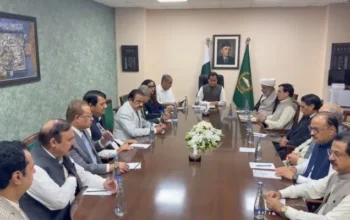
Deputy Prime Minister and Foreign Minister Ishaq Dar chaired a meeting of the National Steering Committee on Fuel Subsidy on Sept. 29 and praised the program as a “whole of government” effort. He cited “concerted” work by the information, IT and petroleum ministries, Ogra, the State Bank of Pakistan and all provinces. About 7.60 million registrations have been completed, and token redemption has entered its second week, with 7.71 million tokens redeemed.
On Sept. 17, the government reinstated austerity and fuel conservation measures, effective immediately. A Cabinet Division notification ordered shops, markets, malls, bazaars, department stores and grocery outlets to close by 9 p.m. every day. Marriage halls and marquees must shut by 10 p.m., while restaurants, cafes and standalone fruit and vegetable shops may stay open until 11 p.m. Takeaway and home delivery are exempt. Fuel allocations for official vehicles have been cut by 50% for three months.
The stakes are broad. Petrol is used mainly in private cars, small vehicles, rickshaws and motorcycles, so its price falls hardest on the middle and lower-middle classes. Diesel powers heavy transport, power plants and large generators, and its cost spreads across the economy. The two fuels are the main revenue earners, with monthly sales of roughly 700,000 to 800,000 tons, against about 10,000 tons of kerosene.
Pakistan imports most of its petroleum, which leaves domestic prices exposed to OPEC+ decisions, Middle East fighting, sanctions on producers and disruptions to shipping lanes including the Strait of Hormuz and the Red Sea.
Copyright © 2021 Independent Pakistan | All rights reserved