By Staff Reporter
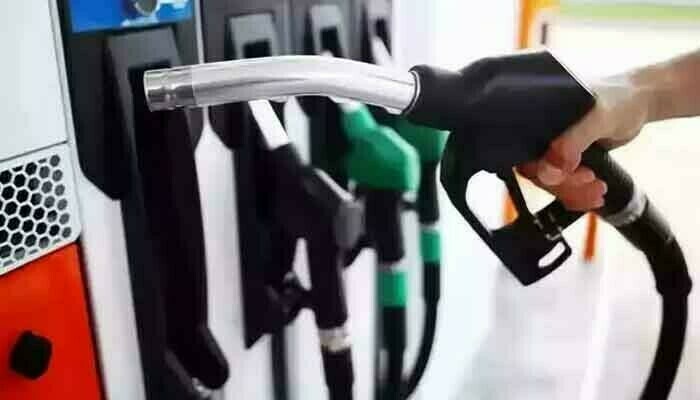
ISLAMABAD: The government cut the price of petrol by Rs2.71 a liter and raised diesel by 31 paisas for Thursday, a day after both fuels edged higher, with crude oil still hovering near five-month highs.
The Petroleum Division’s notification fixes petrol at Rs379.31 a liter and high-speed diesel, or HSD, at Rs390.11 for Oct. 22. On Wednesday, the government raised petrol by 88 paisas and HSD by 53 paisas for Oct. 21. Taxes and duties remain at Rs114 a liter on petrol and Rs100 on diesel, roughly 30% and 26% of the pump price.
Both fuels are well off their April highs but still far above where they stood before the US-Iran war began on Feb. 28. Diesel peaked at Rs520.35 on April 3, and petrol hit Rs458.41 the same day. That leaves diesel about 25% below its peak and petrol about 17% below. Diesel had started its climb from Rs281, and petrol from about Rs266 in the first week of March. Today’s prices are roughly 39% and 43% above those levels.
Brent crude settled at $108.82 a barrel on Wednesday and West Texas Intermediate at $97.15, leaving Brent near five-month highs. The global benchmark touched $110 on Oct. 16, its first time at that level since May.
Traders are weighing Russia’s agreement to resume US-mediated peace talks with Ukraine as early as November against a tighter US market. US crude inventories fell by 3.06 million barrels to 412.5 million, a far bigger draw than the 820,000 barrels analysts expected. The talks matter for diesel in particular. Dennis Kissler, senior vice president of trading at BOK Financial, said a deal could ease the tight global diesel supplies that have supported crude in recent weeks.
Shipping risks are not easing. Kissler said attacks in the Strait of Hormuz “look to be continuing,” with at least two more ships struck overnight. Kpler data showed at least 18 vessel attacks over the past two weeks, and LSEG analysts said the strikes had spread beyond Hormuz into the Gulf of Oman. Iran’s president said Washington cannot expect dialogue while it blockades and threatens his country. In Washington, the Energy Department said it would loan out nearly a third of the 1-million-barrel US emergency heating oil reserve to contain prices that have surged on diesel shortages tied to the wars in Iran and Ukraine.
Pakistan imports most of its petroleum needs, so the effects reach domestic prices quickly. Oil is shaped by OPEC+ decisions, Middle East conflicts, sanctions on producers and disruptions to routes including Hormuz and the Red Sea. Any break in those supply chains can lift crude and freight costs at once.
Islamabad has moved to ever-shorter pricing cycles in response. It announced weekly revisions from early March, alongside fuel conservation measures meant to guard against supply disruptions. In April, the federal government added targeted relief to provide subsidised fuel. On July 17, Petroleum Minister Ali Pervaiz Malik said prices would be fixed daily after renewed hostilities between Iran and the US rattled international markets. He said the cabinet and Prime Minister Shehbaz Sharif had decided to give the Oil and Gas Regulatory Authority responsibility for setting prices each day based on international trends.
On Sept. 13, Sharif announced a relief scheme offering Rs100 a liter off petrol for motorcycles, three-wheeler rickshaws and cars with engines up to 800cc. The plan is meant to cushion lower-income consumers and would cover an estimated 11.8 million beneficiaries. About 10 million two-wheeler users and 800,000 three-wheeler users would get relief on 20 liters a month, a maximum benefit of Rs2,000 each. Another 1 million owners of cars up to 800cc would get relief on 30 liters a month, worth up to Rs3,000 each.
Four days later, on Sept. 17, the government reintroduced austerity and fuel conservation measures. A Cabinet Division notification, effective immediately, requires shops, markets, shopping malls, bazaars, department stores, grocery stores, general stores and kiryana shops to close by 9 p.m. every day of the week. Marriage halls, marquees and other commercial venues hosting festive events must close by 10 p.m. Restaurants, cafes, eateries, food outlets and standalone fruit and vegetable shops can stay open until 11 p.m. Takeaway and home delivery are exempt. Fuel allocations for official vehicles have also been cut by 50% for three months.
The two fuels reach different parts of the economy. Petrol is used mainly in private cars, small vehicles, rickshaws and two-wheelers, so its price hits the middle and lower-middle classes. Diesel powers heavy transport, power plants and large generators, and its price feeds through to the public at large. Together they are the main revenue earners, with monthly sales of about 700,000 to 800,000 tonnes, against roughly 10,000 tonnes of monthly kerosene demand.
Copyright © 2021 Independent Pakistan | All rights reserved