By Staff Reporter
ISLAMABAD: Pakistan has rejected the Taliban’s claim that Afghanistan has neither the interest nor the means to fuel insecurity in its neighbour, demanding verifiable action against militant groups operating from Afghan soil.
In a statement posted on X on Saturday, Pakistan’s information ministry accused the Taliban government in Kabul of having “once again resorted to diversionary allegations instead of addressing Pakistan’s legitimate and longstanding security concerns”.
“Pakistan’s concerns are not based on conjecture,” the ministry said. It added that the “assertion that Afghanistan lacks either the capacity or the interest to destabilise Pakistan does not address these documented concerns”.
The statement answered remarks made on Friday by the Taliban spokesperson, Zabihullah Mujahid, who said in a series of posts on X that it was not in Afghanistan’s interest “to create insecurity in Pakistan or to support any acts of instability there”. He said the Taliban “do not possess capabilities or resources to foment or finance insecurity in other countries”.
Mujahid accused Pakistan’s military and security agencies of blaming Afghanistan whenever they failed to keep order at home, in an attempt to mislead their own public. He said insecurity in Pakistan would harm Afghanistan economically, socially and in humanitarian terms, and claimed that Pakistan’s “misguided approach” had distracted its security forces from their own duties. He also alleged that Islamabad was spending resources on efforts to destabilise Afghanistan.
The ministry said, “blaming Pakistan’s security institutions does not absolve the [Afghan Taliban] regime of its responsibility to prevent Afghan territory from being used for terrorism against Pakistan”.
To support its case, it cited the 16th report of the UN Security Council’s Analytical Support and Sanctions Monitoring Team and the US Lead Inspector General’s Operation Enduring Sentinel report to Congress for January to March 2026.
According to the ministry, the US report found that the Taliban continued to allow the banned Tehreek-e-Taliban Pakistan (TTP) to operate from Afghan territory, and that “greater liberty and support” for the group had resulted in increased attacks on Pakistan. The report put TTP strength at between 4,000 and 6,000 fighters.
The ministry also pointed to repeated attempts by armed militants to cross the border, the deaths of Afghan nationals and members of militant groups in Pakistani counterterrorism operations, and the recovery of foreign-made weapons from militants. It said Pakistan had raised concerns over alleged facilitation of militant groups by Taliban officials, including in Kandahar.
“Such concerns cannot be dismissed through blanket denials; they require credible explanations and verifiable action,” it said.
The Taliban must “end any tolerance, facilitation or support for terrorist organisations, including TTP, BLA [Baloch Liberation Army] and their affiliates”, the ministry said, and ensure Afghan territory was not used “to plan, prepare or launch attacks against Pakistan”.
Islamabad insisted its security measures were aimed at militants and not at the Afghan people, and said it would “continue to take all necessary measures to protect its citizens, sovereignty and territorial integrity”. It said it remained open to “responsible engagement based on mutual respect, verifiable commitments and concrete action”, but warned that peace could prevail only if its core concern over terrorism originating in Afghanistan was verifiably addressed.
Earlier on Saturday, the ministry rejected claims by Mr Khalilzad, the former US special representative for Afghanistan reconciliation, that Pakistan was arming Afghans to fight the Taliban.
Khalilzad said on X on Friday that there were “many reports that Pakistan is arming Afghans to fight the Taliban in Afghanistan”. He also alleged that Pakistan was recruiting Afghans to fight anti-Pakistan insurgents, and said relations between the two countries were likely to “get much worse”.
The ministry’s fact-check account on X said the former envoy’s “sweeping baseless assertions merely recycle speculative narratives as part of his personal agenda to prop [the] terrorism-supporting Taliban regime”.
It said it was “particularly misleading” to conflate Pakistan’s counterterrorism operations against militant groups in Taliban-controlled areas with claims that it was recruiting Afghan nationals or sponsoring armed groups inside Afghanistan. It added that successive UN monitoring reports had documented the presence of the TTP and al-Qaeda in Afghanistan, and accused Khalilzad of diverting attention from Kabul’s responsibility to stop its territory being used by “India-sponsored proxies”. Pakistan has long accused India of backing militant violence, particularly in Balochistan. New Delhi denies this.
Khalilzad, who served in the first Trump administration and negotiated the US deal with the Taliban that preceded the withdrawal of foreign forces, has repeatedly called for a negotiated settlement between Islamabad and Kabul, most recently in January. Afghan media reported last month that he had criticised Pakistan’s airstrikes and said its current strategy was not working.
He has clashed with Islamabad before. In November last year, the ministry accused him of “creating a false impression” that Islamic State-Khorasan had a presence in Punjab, after he claimed an IS-K commander had been killed in Akhtarabad. The ministry said the man had died in a robbery, with no evidence of any link to the group. In March 2023, the Foreign Office said Pakistan did not need his “unsolicited advice”, and the US State Department made clear that he did not speak for the Biden administration.
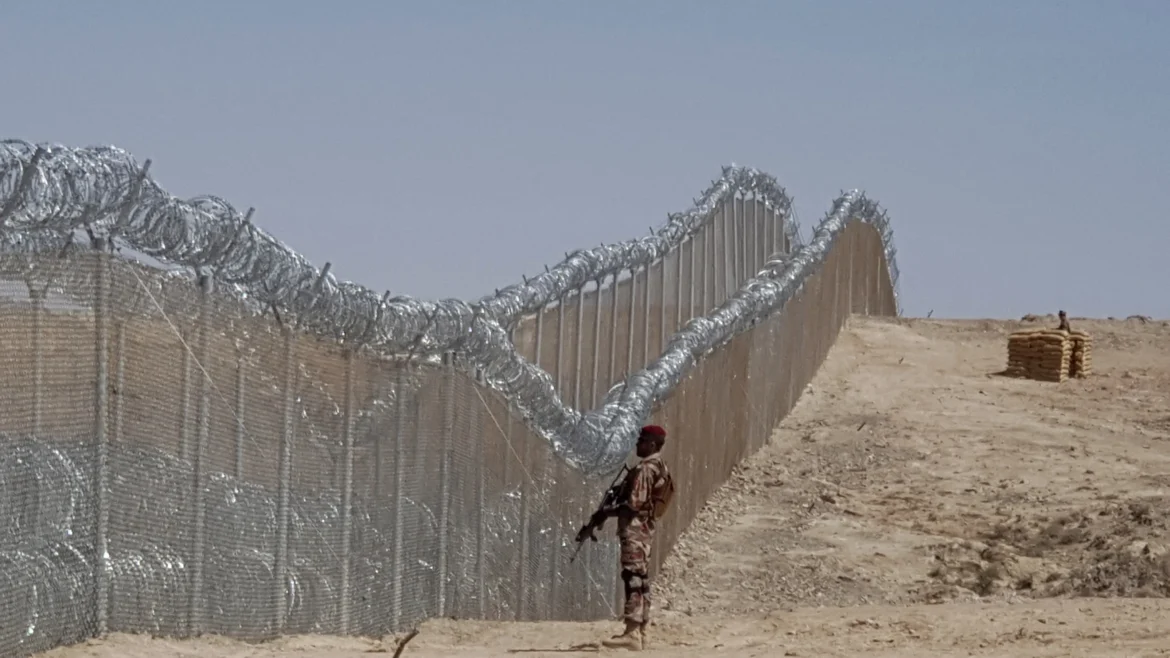
Relations between the two neighbours have been badly strained since fighting escalated in February, in the most sustained cross-border conflict since the Taliban returned to power in August 2021. Hundreds died in airstrikes, drone attacks and artillery fire in the first half of the year.
A period of relative calm of nearly three months ended last month, after an attack on a police facility in Kohat, in Khyber Pakhtunkhwa province, killed at least 24 people. Pakistan carried out airstrikes in the border region on 21 September, which it said killed 28 militants. Taliban officials said three civilians died.
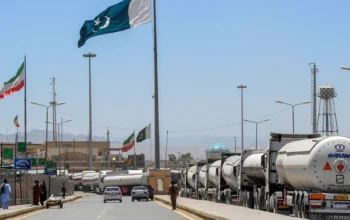
Pakistan said days later that it had shot down eight drones launched from Afghanistan near Torkham and Kohat, and carried out strikes on 10 locations in Afghanistan that it said were used to launch and store them. Mujahid denied that Afghan forces had launched any drones and warned of “consequences” for Pakistan.
Pakistani authorities say terrorism emanating from Afghanistan has killed 1,327 people in Pakistan this year and injured another 2,484. Officials say Islamabad’s appeals to Kabul to dismantle militant sanctuaries, particularly those linked to the TTP, have gone unheeded. The Taliban government denies harbouring anti-Pakistani militants and says militancy is Pakistan’s internal problem.
Copyright © 2021 Independent Pakistan | All rights reserved