By Staff Reporter
ISLAMABAD: Pakistan is “cautiously optimistic” about its efforts to broker an end to the eight-month war between Iran and the United States, the country’s military spokesman has said, days after the army chief led a regional delegation to Tehran.
Lieutenant General Ahmed Sharif Chaudhry, director general of Inter-Services Public Relations (ISPR), made the remarks in his first interview to Reuters since the visit, speaking in Rawalpindi on Friday.
Asked whether Field Marshal Asim Munir’s two trips to the Iranian capital this month were a good sign, Lt Gen Chaudhry said: “Why would the Field Marshal be going twice if it is not for some positivity? So yes, of course.”
“The word that we would use is always cautiously optimistic,” he added.
He cautioned, however, that there were still “powerful spoilers and detractors” who believed conflict served them. He did not name them.
He also declined to say what had been discussed in Tehran, or whether Washington had backed the mission.
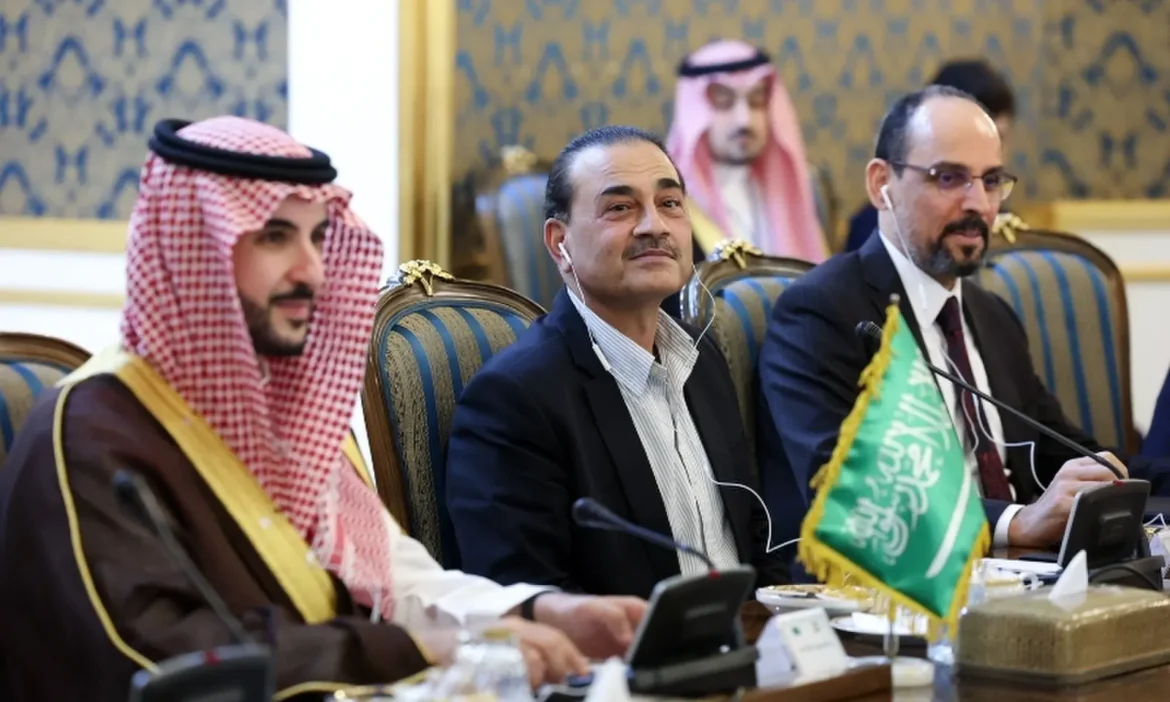
Field Marshal Munir, who is Chief of Defence Forces and Chief of Army Staff, met Iran’s president, Masoud Pezeshkian, in Tehran on 20 October with Pakistan’s interior minister, Mohsin Naqvi. He returned on Monday with Saudi Arabia’s defence minister, Prince Khalid bin Salman, and the Turkish intelligence chief, Ibrahim Kalin.
The meeting was the first high-level contact between Iran and all three signatories of the Makkah defence pact since Saudi Arabia was drawn deeper into the conflict. Under the pact, signed on 7 August by Pakistan, Saudi Arabia and Turkey, an armed attack on one member is treated as an attack on all.
Turkish security sources said the delegations discussed Palestine, Lebanon, the Strait of Hormuz and Yemen, as well as the US-Iran negotiations. Saudi Arabia’s foreign ministry said the visit was meant to support mediation by Qatar and Pakistan. Iranian state media reported that Tehran and the pact countries had agreed to keep talking.
Mohsen Rezaei, secretary of Iran’s Supreme National Security Council, said after Monday’s talks that regional security should be guaranteed by regional countries without foreign intervention.
Lt Gen Chaudhry said the wording of the pact did not bar new members when asked whether Iran could join. “Anyone who has a shared vision of collective deterrence and regional peace, why not? Everyone is most welcome,” he said, adding that the decision rested with the political leadership of the three main parties.
Asked whether more Pakistani troops would be sent to Saudi Arabia, he said that would depend on the situation and on decisions by both governments. Pakistan, he said, was committed to defending Saudi Arabia and the holy sites of Makkah and Madina.
He drew a line at Yemen. “We are not part of the Yemeni conflict, which is an intra-Yemen conflict,” he said. Fighting between Saudi Arabia and the Iran-aligned Houthis has been reignited by the Iran war, stoking fears of a wider conflict.
The pact has taken on added weight as the war has redrawn regional alliances. Analysts link its evolution closely to efforts by regional powers to manage the fallout from the Iran-US confrontation.
Pakistan has been the main intermediary since the early stages of the conflict. It hosted US-Iranian talks in Islamabad in April that ran for 21 hours and ended without agreement, with US vice-president JD Vance leaving without a deal.
Friday’s comments came as other diplomatic channels moved. Qatari mediators were in Tehran to deliver revisions to a draft proposal to end the war, and CBS News, citing a source familiar with the diplomacy, reported signs of progress. Donald Trump said the war would be wrapped up soon, and that he needed guarantees Tehran would never obtain a nuclear weapon.
Lt Gen Chaudhry was also pressed on the domestic front, where the government imposed an emergency and governor’s rule in Khyber Pakhtunkhwa on 11 October. The presidential proclamation cited an extraordinary surge in terrorist incidents. Parliament later approved both measures for two months. The Peshawar High Court has issued notices on petitions challenging them.
Asked whether the army would now launch larger military-led campaigns in the province, he said that was not how it conducted counter-terrorism. The army relied on intelligence-based operations, he said, whose “tempo” and “freedom of action” would “further increase”.
Copyright © 2021 Independent Pakistan | All rights reserved