By Staff Reporter
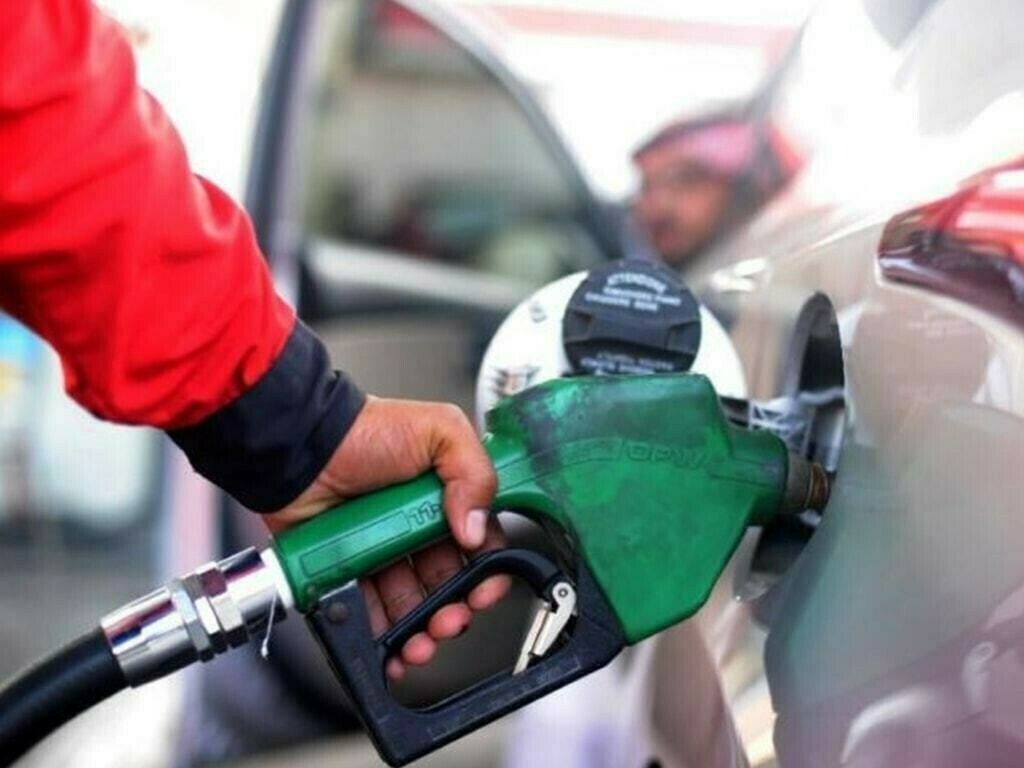
ISLAMABAD: Pakistan raised the price of diesel by Rs2.29 a liter to Rs402.96 and left petrol unchanged at Rs377.91, extending a run of daily increases that is squeezing household budgets, feeding inflation and fueling a political challenge to the government’s fuel taxes.
The new prices apply from Saturday, Oct. 31, to Monday, Nov. 2, according to the Petroleum Division’s notification. It is the second consecutive day the government has held petrol steady. Diesel, by contrast, has gone up in each of the five daily revisions since Oct. 27, by a combined Rs9.30 a liter, based on the notifications published this week.
The government continues to levy Rs114 a liter in taxes and duties on petrol and Rs100 on diesel.
Fuel prices are now reset every day. On July 17 the cabinet and the prime minister had handed the Oil and Gas Regulatory Authority responsibility for setting prices daily, following renewed hostilities between Iran and the U.S. The formula rests on a rolling seven-day average of international prices. Before that, the government had announced weekly revisions since early March, alongside conservation measures and, in April, targeted subsidized fuel.
Prices remain well below their highs. High-speed diesel peaked at Rs520.35 on April 3 after starting its climb from Rs281 when the U.S.-Iran war broke out on Feb. 28. Petrol topped out at Rs458.41 the same day, up from Rs266 in the first week of March. Diesel now sits about Rs117 under its peak and petrol about Rs80 under. A fragile June truce between Tehran and Washington has since collapsed, reviving fears for energy flows through the Strait of Hormuz.
The State Bank of Pakistan added to the pressure on borrowers on Monday, raising its policy rate by 50 basis points to 12%, the first increase since April. Nine of the 10 Monetary Policy Committee members voted for the move, with the tenth favoring a larger one. The decision took effect on Oct. 27.
The committee said that “geopolitical developments have worsened the inflation outlook as compared to the earlier assessment.” It added that the global shock had so far had a contained effect on the domestic economy and that the external account and growth outlook were broadly unchanged, though risks had increased. The committee judged the increase necessary “to keep the real policy rate adequately positive on forward-looking basis,” in the statement’s words.
Headline inflation rose to 10.3% in September, above the committee’s expectation, and core inflation held near 8.4%. Both sit above the central bank’s 5% to 7% medium-term target. By simple arithmetic the new rate leaves the real rate at about 1.7 percentage points on September’s reading. Governor Jameel Ahmad told reporters that “the inflation outlook deteriorated significantly because of the ongoing geopolitical crisis” and pointed to higher domestic wheat prices.
The statement named geopolitical tensions, commodity-price volatility, possible energy tariff adjustments, further wheat price increases and adverse weather as the main risks. It also recorded a current-account deficit of $874 million in the first quarter of fiscal 2027 and a staff-level agreement with the International Monetary Fund. The committee stressed the need to build external and fiscal buffers. Topline Securities, with Brent near $100 a barrel, estimated that headline inflation could average 9% to 9.5% in fiscal 2026-27.
The fuel levy is also a political problem. On Tuesday, Jamaat-e-Islami chief Hafiz Naeemur Rehman met Prime Minister Shehbaz Sharif in Islamabad to press his party’s demand for abolishing the levy. The two sides agreed to form a joint committee to consider expanding the fuel relief scheme offered since Sept. 17 to owners of motorcycles, rickshaws and vehicles of up to 800cc. The prime minister had announced that scheme on Sept. 13 to “alleviate the burden” of rising global oil prices.
Rehman said his party would march on Islamabad in mid-November unless the government announced major relief. He said the government had asked for another seven to 10 days, but that “We will no longer postpone the Islamabad march.” He said the government was discussing a phased removal of the levy while his party wants it gone immediately, and he put monthly collections at Rs150 billion. That figure is the party’s claim, not an official one. The party began a long march from Karachi in September and halted it in Multan at the prime minister’s request.
The government has little room to give ground. It collected Rs1.567 trillion in petroleum levy in the fiscal year through June, Rs99 billion above target. The IMF has set a levy target of Rs1.73 trillion for the current fiscal year, Rs259 billion higher.
The government has also reintroduced austerity measures. Markets must close by 9 p.m., and fuel allocations for official vehicles have been cut by 50% for three months.
Petrol and diesel are the main revenue earners, with monthly sales of about 700,000 to 800,000 tons, against about 10,000 tons of demand for kerosene. Petrol is used mainly in private transport, small vehicles, rickshaws and two-wheelers, so its price hits the middle and lower-middle classes. Diesel, used in heavy transport, power plants and large generators, affects the public at large.
Copyright © 2021 Independent Pakistan | All rights reserved