By Staff Reporter
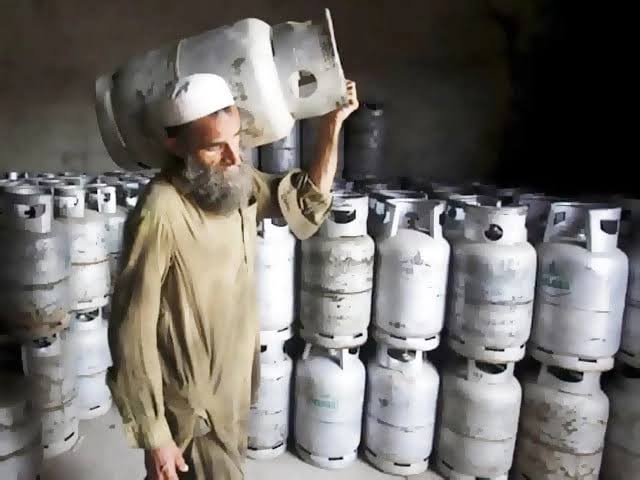
ISLAMABAD: Pakistan will sell 90% of its locally produced liquefied petroleum gas through public auctions, seeking to rein in prices that surged after border closures with Iran choked off imports just as winter demand builds.
A committee overseeing the new system held its first meeting in Islamabad on Saturday, the Petroleum Ministry said. It was chaired by the petroleum secretary. Petroleum Minister Ali Pervaiz Malik told the panel that addressing public concerns over the fuel’s availability and unfair pricing is a government priority, and that all eligible companies would get equal opportunity to bid, according to state-run Radio Pakistan.
Under the framework, domestic producers will set aside 10% of output for state-owned marketing companies that supply remote and underserved areas. The rest will be auctioned with media representatives present. The committee capped purchases at 20 metric tons a day per company, a limit meant to give smaller firms a chance to compete. It will also track daily production and report the figures to Prime Minister Shehbaz Sharif. Its members include officials from the Oil and Gas Regulatory Authority, Oil and Gas Development Co., Pakistan State Oil and United Energy Pakistan Ltd. It will also review supply arrangements and periodically assess pricing and bidding rules.
“The Federal Minister said that the initiative was being undertaken in the public interest, particularly to address the difficulties faced by consumers who were unable to access LPG at affordable prices,” the ministry said in a statement.
The federal cabinet approved the deregulated framework on Nov. 4. It replaces a quota-based allocation system under which, the government says, intermediaries profited. The cabinet also directed four state-owned enterprises to re-enter the import business. Malik said at a news conference on Nov. 3 that Pakistan State Oil, Sui Southern Gas Co. and Pakistan LNG Ltd. had been told to import LPG. He said companies would have to publish their prices online, that Ogra would audit storage facilities to prevent hoarding, and that the Competition Commission had been asked to act against cartels. He said auction revenue would go into a price stabilization fund and a fund to protect vulnerable consumers. Separately, the government plans to supply subsidized LPG at 300 to 350 rupees per kilogram to eligible households through the Benazir Income Support Programme.
Sharif told the cabinet that the decades-old monopoly in the LPG sector had ended, and that auction proceeds would go to the national exchequer and then be used for subsidies and relief.
The overhaul follows a price spike. Pakistan’s Commerce Ministry suspended trade through the Gabd-Rimdan and Taftan crossings with Iran on Oct. 17, and Gabd-Rimdan reopened about a week later. Pakistan imports about 7,000 tons of LPG a day from Iran, according to the Pakistan LPG Association, with more than 4,000 tons coming through Gabd-Rimdan alone. The price of a 12-kilogram cylinder rose from 4,500 rupees to about 7,000 rupees within days, traders told Reuters last month. Malik said some sellers were charging 700 to 800 rupees a kilogram, against an international-market-based price of about 450 rupees. Importers said trade through Taftan had been restored only temporarily, with exports from Pakistan yet to resume.
The crisis exposed how heavily the country leans on a single supplier for a fuel that has moved well beyond its image as the poor man’s option. Pakistan consumes about 2.4 million tons of LPG a year, more than half of it imported, Malik said. Middle-class households now use it for cooking and heating, and it fuels many rickshaws. Demand typically climbs as temperatures fall, particularly in areas with no piped natural gas.
Malik has also tried to reassure consumers about piped supply during the coldest months. “Even if the most expensive fuel has to be purchased for the piped network, we will bring it in and try to meet demand through LNG,” he said Nov. 3, referring to liquefied natural gas. He said the government would make “utmost efforts” to keep household gas flowing at mealtimes.
The government is also weighing longer-term spending. According to The News, it has drawn up a plan to invest about $1 billion over three to five years in import terminals, storage, cylinders, filling plants and transport. “The proposed investment aims to strengthen the country’s LPG supply chain and meet the rapidly growing demand for the fuel amid declining domestic natural gas production and increasing reliance on imports,” a senior Petroleum Division official was quoted as saying. Existing infrastructure includes about 100,000 tons of storage, of which roughly 14,000 tons is at seaports, along with about 2,600 bowsers and nearly 5 million cylinders. The official described it as inadequate.
Auctions of local gas have run into trouble before. Local media reported in August that the Petroleum Division was holding back results of a pilot auction held Aug. 10 by state-owned producers, after incumbent stakeholders challenged the process in court. The highest bid for a three-year, five-ton-a-day lot was 205 million rupees. Dawn estimated that passing the cost to consumers could lift retail prices by about 15%. Malik had directed that the burden of such bonuses not be passed on to consumers. The reporting reviewed does not say how that dispute was resolved.
Copyright © 2021 Independent Pakistan | All rights reserved