By Staff Reporter
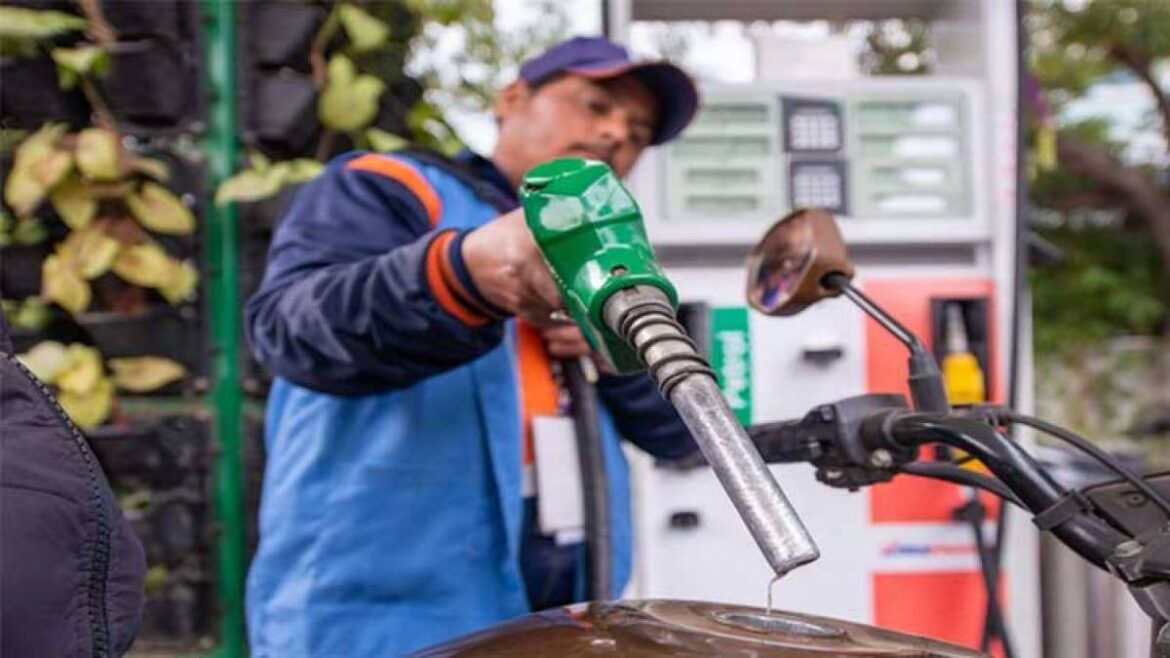
ISLAMABAD: Pakistan cut petrol prices for a ninth consecutive revision on Friday, lowering the rate by Rs2 a liter to Rs330 while leaving diesel unchanged at Rs360.
The new petrol price takes effect Nov. 14 and applies through Monday, Nov. 16, according to a notification from the Oil and Gas Regulatory Authority. Diesel holds at the level set a day earlier, when the regulator reduced it by Rs4 a liter from Rs364.
The run of reductions has taken a visible bite out of pump prices. Petrol sold for Rs377.91 a liter on Nov. 1, which puts the latest price almost Rs48, or about 13%, lower.
Fuel remains far costlier than before the war. Petrol peaked at Rs458.41 on April 3, after rising from Rs266 in the first week of March. Diesel topped out at Rs520.35 the same day, having started its climb from Rs281 after the US-Iran war began Feb. 28. Against those peaks, petrol is down about 28% and diesel about 31%. Petrol is still roughly 24% above its early-March level, and diesel about 28% above.
Crude has done most of the work. Brent settled at $95.82 a barrel on Thursday, up 3.3%, but has lost about 20% in November, and it is well below a peak near $118 in late October. The slide followed comments from President Donald Trump after the US midterm elections that eased fears of further strikes on Iran. Trump said Washington no longer needs an agreement with Tehran, and the US naval blockade of Iranian trade and oil shipments will stay in place. Iran’s military said four tankers were hit by explosions in the Strait of Hormuz, and the war is now in its ninth month. Brent is still nearly 60% higher this year.
Islamabad has also used domestic levers. Under an arrangement announced Nov. 2 for 30 days, oil refineries will contribute to the petroleum levy by bearing a cumulative impact of Rs15 billion, the government said. That allows a Rs14.71 reduction in the petrol price at the consumer end. Petroleum Minister Ali Pervaiz Malik said the refineries agreed to absorb Rs15 billion, about $54 million. The government continues to levy Rs114 a liter in taxes and duties on petrol and Rs100 on diesel.
On Sept. 17, the government rolled out the Prime Minister’s Fuel Relief Scheme nationwide to ease the burden of rising fuel prices tied to the Middle East situation. The subsidy applies to owners of motorcycles, rickshaws and vehicles of up to 800cc. The government has also brought back a raft of austerity measures. Markets must close by 9 p.m., and fuel allocations for official vehicles have been cut by 50% for three months.
The pricing process has changed repeatedly this year. After war broke out, the government announced weekly revisions from early March, alongside conservation measures against possible supply disruptions. It announced targeted relief in April to provide subsidized fuel. Since July 17, when hostilities between Iran and the US resumed, prices have been revised almost daily. The petroleum minister said the cabinet and the prime minister had decided to give Ogra responsibility for setting prices daily, based on international market trends.
Petrol and diesel are the main revenue earners, with combined monthly sales of about 700,000 to 800,000 tons, compared with just 10,000 tons of monthly demand for kerosene. Petrol is used mainly in private transport, small vehicles, rickshaws and two-wheelers, so its price hits the middle and lower-middle classes. Diesel powers heavy transport, power plants and large generators, and its price feeds through to the public at large.
Copyright © 2021 Independent Pakistan | All rights reserved