By Staff Reporter
ISLAMABAD: Pakistan has begun hosting a two-day meeting of foreign ministers from the Economic Cooperation Organisation (ECO) in Islamabad, with Iran’s top diplomat expected on Monday and Afghanistan’s Taliban-led administration, a member of the 10-nation bloc, not taking part.
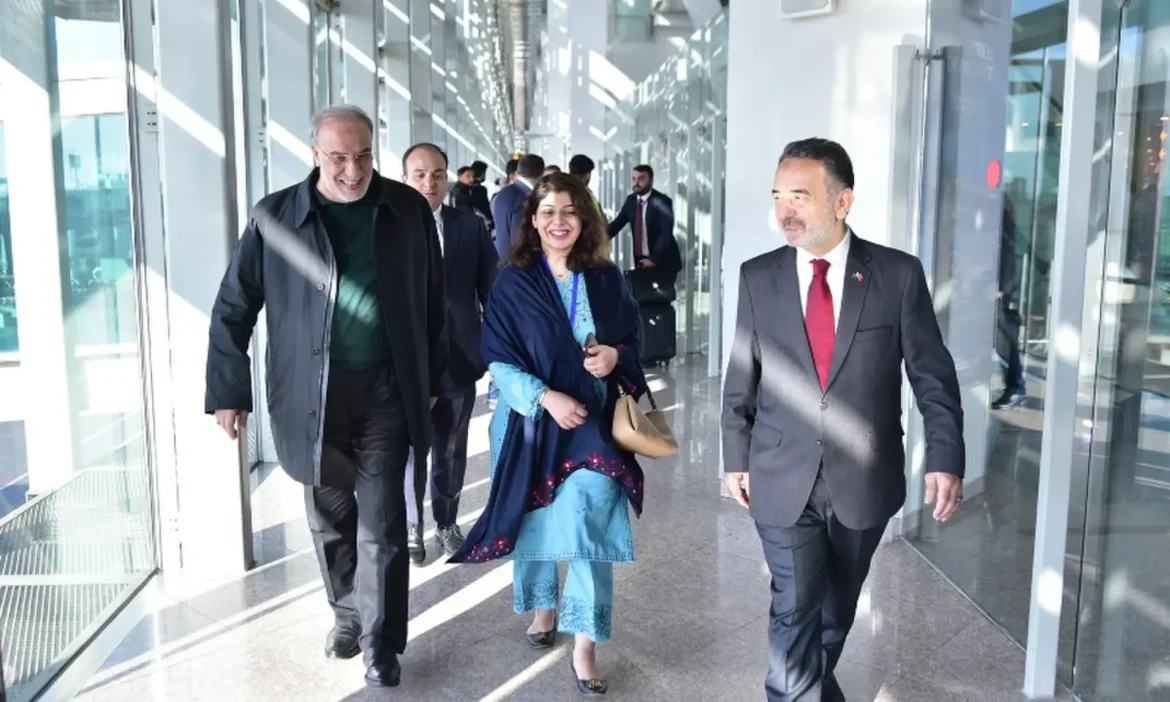
Delegations kept arriving in the capital on Sunday for the 30th meeting of the ECO Council of Ministers, the Foreign Office (FO) said.
Turkey’s deputy foreign minister, Musa Kulaklikaya, who is leading his country’s delegation, was received by FO officials on arrival. He was joined by Ahmad Saidmurodzoda, deputy secretary general of the Shanghai Cooperation Organisation, and by Ismail Ould Cheikh Ahmed, secretary general of the Organisation of Islamic Cooperation (OIC). Azerbaijan’s deputy foreign minister, Elnur Mammadov, and his Kazakh counterpart, Arman Issagaliyev, each arrived at the head of their delegations.
Turkmenistan’s foreign minister, Rashid Meredov, who is also deputy chairman of his country’s cabinet, led his delegation and was met at the airport by Pakistan’s ambassador to Turkmenistan and senior FO officers. Tahsin Ertugruloglu, foreign minister of the Turkish Republic of Northern Cyprus, arrived on Saturday.
Iranian foreign ministry spokesman Esmail Baqaei said Foreign Minister Abbas Araghchi would arrive on Monday, according to state and semi-official media. Araghchi’s visit has been closely watched because Islamabad is balancing its diplomatic engagement with Tehran and Washington at a time of continuing tensions. Pakistan’s deputy prime minister, Ishaq Dar, repeatedly urged the US and Iran to return to diplomacy on the basis of the Islamabad Memorandum of Understanding the two sides signed in June.
Afghanistan’s position is likely to draw attention. The meeting began without a delegation from the Taliban-led government. Pakistani media reported that Kabul’s foreign minister had not been invited. Afghanistan remains a member of the bloc, and relations between the two countries are strained. Neither the FO statements nor the Afghan side has set out the reason for the absence in the material available.
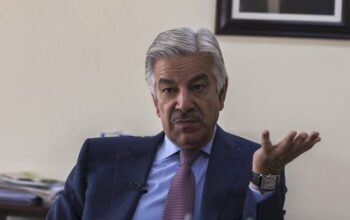
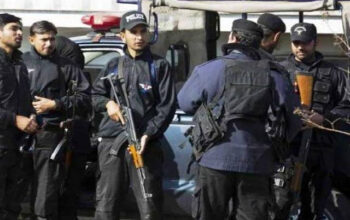
Dar, who is deputy prime minister as well as foreign minister, is chairing the meeting. Foreign ministers and heads of delegations from member states are attending, along with representatives of the ECO secretariat and its subsidiary bodies. A meeting of senior officials comes first. It will review the organisation’s activities and programmes, assess the work of its subsidiary bodies, and finalise the agenda and draft outcome documents for the ministers. A Pakistani foreign ministry official said preliminary talks had begun, with the main ministerial session scheduled for Monday. Security in the capital has been tightened.
Pakistan holds the ECO chairmanship for 2026-27 and has framed it under the theme “Reviving Regionalism for a Resilient ECO”. In a statement on Saturday, the FO said the chairmanship would focus on regional connectivity and integration, deeper partnerships, and collective efforts towards economic prosperity and sustainable development. It also said Pakistan wanted to position itself as a regional connectivity hub, a facilitator of logistics supply chains and a shaper of the regional trade agenda.
“These efforts will contribute toward unlocking the region’s considerable economic potential and ensuring that the benefits of regional cooperation are translated into tangible improvements in the lives of the people of ECO member states,” the FO said.
On the sidelines, Dar met the ECO secretary general, Asad Majeed Khan. According to the FO, he stressed the importance of strengthening “regional cooperation, connectivity and economic integration” and reaffirmed Pakistan’s commitment to hosting the ECO Summit in 2027. He also praised the secretariat’s support for Pakistan’s priorities as chair.
The FO said Khan thanked Pakistan for its arrangements and hospitality and congratulated it on its coming chairmanship. Both sides agreed on the need for close coordination to ensure “effective implementation of agreed initiatives”. Khan also met Kyrgyzstan’s deputy foreign minister, Kairat Tursunkulov, to discuss trade, energy, industry and tourism cooperation.
Dar also held talks with the OIC secretary general, welcoming Ahmed on his first visit to Islamabad since taking office. The FO said Dar reaffirmed Pakistan’s commitment to strengthening the OIC as a “unified and effective voice of the Muslim Ummah”. Ahmed, it said, appreciated Pakistan’s diplomatic efforts to promote peace during the Iran-US conflict and commended its role in the OIC, including through the COMSTECH scientific cooperation body. The two sides also reiterated their support for the peoples of Palestine and Jammu and Kashmir and their right to self-determination.
The ECO was formed in 1985 by Pakistan, Iran and Turkey, as the successor to the Regional Cooperation for Development grouping the three founded in 1964. It expanded in the early 1990s to take in Afghanistan, Azerbaijan, Kazakhstan, Kyrgyzstan, Tajikistan, Turkmenistan and Uzbekistan. The organisation aims to promote economic development through cooperation on trade, transport, energy and investment.
Pakistan took on the council chair last November, when Dar named the Islamabad-Tehran-Istanbul rail corridor among the connectivity projects he wanted to see operational. Islamabad has long promoted its geography as a route linking landlocked Central Asian states to global markets. The meeting also comes as Pakistan seeks to reduce its reliance on bilateral and multilateral creditors in favour of trade and connectivity partnerships with regional countries.
The gathering has already been shaped by regional events. An ECO interior ministers’ meeting due in Islamabad in late October was postponed because of the regional situation.
Copyright © 2021 Independent Pakistan | All rights reserved