By Staff Reporter
PESHAWAR: Authorities in five districts of Pakistan’s north-western Khyber Pakhtunkhwa province have imposed month-long bans on public gatherings, citing a worsening security situation.
The deputy commissioners of Bajaur, Swabi, Lakki Marwat, Tank and Bannu invoked Section 144 of the Code of Criminal Procedure, a colonial-era provision that lets officials prohibit assemblies and other activities they say threaten public order. The orders were issued on Saturday and Sunday. Rallies, processions, marches and demonstrations are barred in all five districts. Most of the orders also prohibit the display of weapons and riding pillion on motorcycles, a measure frequently used in the province to make it harder for attackers to flee on bikes.
In Bajaur, a district on the Afghan border, the administration banned political gatherings, “hate speech” against the state and the display of arms for 30 days. The notification said Deputy Commissioner Adnan Farid Afridi approved the restrictions to protect life and property and keep the peace.
It said law enforcement agencies must remain vigilant to avert “unpleasant mishaps”, tighten security at the district’s entry and exit points and prevent “unauthorised gatherings” in public places. “Sufficient grounds exist to believe that immediate preventive measures are required to be taken,” it said.
The Bajaur order took effect on Sunday and runs until 15 December unless modified or withdrawn. Anyone who violates it can be punished under Section 188 of the Pakistan Penal Code, which covers disobeying an order promulgated by a public servant. Bajaur’s administration banned pillion riding for 10 days in October, also citing security concerns.
In Swabi, Deputy Commissioner Nasrullah Khan banned gatherings, assemblies, processions, rallies, marches and demonstrations for a month with immediate effect. His order called the measures “imperative” to protect public order and safety, and warned that such events “may expose the general public to serious security risks, endanger human lives and public property”. Nothing of the kind may go ahead without his prior permission.
In Lakki Marwat, Deputy Commissioner Shahid Rafique imposed the ban at the request of the district police officer, who feared gatherings could obstruct movement, disrupt public services and traffic, and disturb the peace. The order, in force until 13 December, also prohibits carrying or possessing any kind of weapon, pillion riding, and putting up tents or temporary structures on roads and highways. Violators, it warned, would be dealt with “sternly”.
Bannu’s Deputy Commissioner Ziaur-Rehman imposed restrictions from Sunday to 13 December, again on the police officer’s advice. His order adds bans on tinted vehicle windows and on loudspeakers on roads. Notifications in both Bannu and Lakki Marwat said violators would be punished under Section 188.
In Tank, Deputy Commissioner Jamshed Khan announced curbs on gatherings, rallies and processions, according to the state-run Associated Press of Pakistan. It said pillion riding and weapons display were also banned and that legal action would follow any breach. The agency did not report how long the order will last.
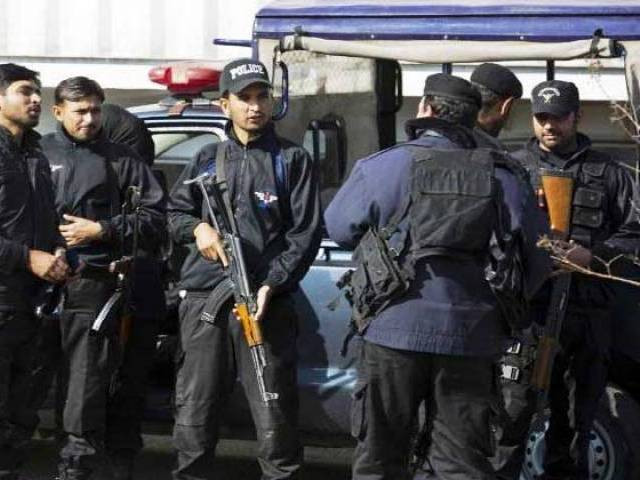
The restrictions follow a run of attacks on police and soldiers in the province, which has borne the brunt of a resurgent militant campaign in Pakistan.
On Wednesday, at least 10 police officers, including a deputy superintendent, were killed when militants ambushed a police team in Kohat district, according to local reports. About 18 militants were also killed. Two days later, police in Bannu repulsed an attack on a checkpoint at Kingar Pul, killing four militants. In September, a suicide bombing at a mosque inside a police compound in Kohat during Friday prayers killed more than 20 people.
On Friday, the military’s media wing said 74 militants had been killed in intelligence-based operations in Khyber Pakhtunkhwa and Balochistan. It said 43 died in the northwestern province over 48 hours, 35 of them in North Waziristan’s Mir Ali and eight in Orakzai. A further 31 were killed in Balochistan in an operation launched on 3 November.
The next day, the military said four soldiers, including a major, and 24 militants were killed in operations in Balochistan and North Waziristan. In North Waziristan on Saturday, two soldiers and 16 militants, among them two Afghan nationals, were killed, it said.
Militant violence in Khyber Pakhtunkhwa has risen sharply. Reports presented to the federal cabinet showed terrorist incidents in the province up 195 percent between March 2024 and September 2026.
Copyright © 2021 Independent Pakistan | All rights reserved