By Staff Reporter
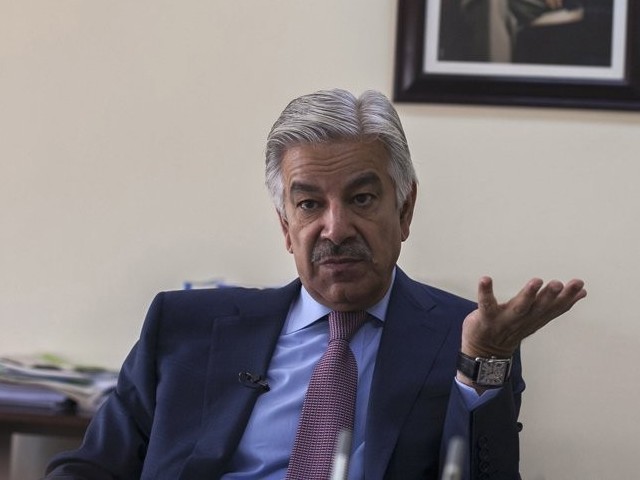
ISLAMABAD: Defence Minister Khawaja Asif has said the outline of a new political system will emerge before the year is out, suggesting it could offer the jailed PTI founder Imran Khan a route back into mainstream politics.
Speaking on Sunday on a private television channel, Asif said significant progress had been made on the contentious question of new provinces and that a political consensus was expected within weeks. “My personal view is that the New Year will see this new system as well, God willing,” he said.
Asked whether the changes could come in 2026, he said some shape of the new system would appear before the year ended, noting that about six weeks remained.
Asif said the leaders of all four provinces should be brought on board, whether or not their parties were represented in parliament. He described the discussions of recent weeks as positive. “I believe that some solution will emerge.”
He then turned to Khan, who is in prison, saying the expected developments could give him and his party an opportunity. “If he agrees to this, or if they reach an agreement, then it will provide a window of opportunity for them to return to mainstream politics once this political phase is over,” Asif said. He compared the opening with the one the PML-N received during the extension of the former army chief General Qamar Javed Bajwa.
The remarks came a day after President Asif Ali Zardari and Prime Minister Shehbaz Sharif met in Lahore and agreed that any move to create provinces or administrative units must strictly follow the Constitution, and that parliament must approve any referendum. Officials said the two men agreed parliament could not be bypassed on whether a vote should be held or what question voters should be asked.
Zardari, who is co-chair of the governing coalition’s key partner, the Pakistan Peoples Party (PPP), restated his party’s opposition to dividing Sindh, in line with a Sindh Assembly resolution. The sources said the meeting was also told that Khan’s recent long meeting with his lawyers and the release of his two sisters from jail were not linked to any behind-the-scenes arrangement. A statement from the Prime Minister’s Office made no mention of provinces or a referendum.
Interior Minister Mohsin Naqvi had floated a referendum on Thursday, saying it could settle the debate once and for all. He said parties would be taken into confidence before any decision was made, and that he had also dismissed speculation of a deal involving Khan. Naqvi has argued for months that the governance system has “collapsed” and needs a “reset”. He has also said he and the PPP chairman, Bilawal Bhutto Zardari, are on the same page on the matter, though Bhutto Zardari had earlier called for the issue to be debated in parliament.
Naqvi has said the proposal should be dropped if voters reject it. He has also said surveys show most people favour new provinces, though he has not identified them.
Twelve-province plan
Asif has himself backed new provinces on administrative grounds. Speaking in Sialkot last Sunday, he said even 12 could be created, provided the move was not driven by ethnic, linguistic or political considerations. He said the proposal had been under discussion for about two months, and recalled the One Unit scheme, which merged the provinces before being reversed. In September he accused the PPP of a “double standard”, saying it appeared to support a Saraiki province in Punjab but raised the spectre of “Sindhudesh” whenever wider restructuring was discussed.
Local media reported that a plan to reorganise the country into 12 provinces is under consideration. Punjab would be split into four, Khyber Pakhtunkhwa and Balochistan into three each and Sindh into two. A nationwide referendum is reportedly envisaged ahead of a possible 28th Constitutional Amendment. No final decision has been taken on boundaries, administrative structures or the constitutional process.
Government sources said preparations were complete to give Islamabad a special administrative status. Under the proposed model, it would become a special-status territory or “model administrative unit” headed by a mayor, with an elected body of 25 to 30 members.
The plan would also enlarge the capital. Proposals include parts of Haripur district in Khyber Pakhtunkhwa, some areas of Rawalpindi and parts of NA-51 in Murree. A reported proposal to bring Gwadar or other ports under Islamabad’s administration has been dropped.
Local media reported that legal and constitutional experts are due to submit recommendations to the prime minister soon, and that further progress depends on his approval. They said the Prime Minister’s Office and the interior ministry had earlier raised concerns, so the new unit would stay under federal control, with the mayor elected by the assembly’s members rather than directly. The government has yet to announce a final decision on the structure or the boundaries.
Copyright © 2021 Independent Pakistan | All rights reserved