By Staff Reporter
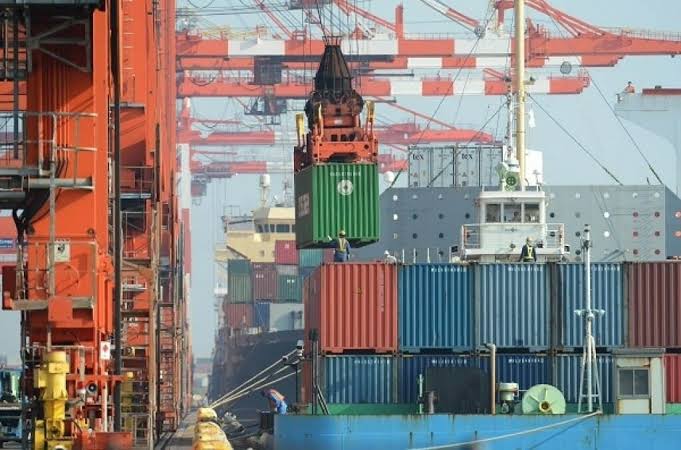
ISLAMABAD: Pakistan’s goods exports climbed 8.8% to a record $11.4 billion in the first four months of the fiscal year, the government said, crediting tax cuts, faster refunds and cheaper financing for exporters in Prime Minister Shehbaz Sharif’s budget.
Shipments in the July-October period compared with $10.4 billion a year earlier, an increase of about $1 billion, according to a statement the government posted on X on Sunday. It said the result reflected targeted measures in the federal budget and coordinated work by the finance team and state institutions.
The measures included lower taxes and surcharges for businesses and industry, particularly exporters, faster processing of tax refunds, better use of export development funds, more concessional export financing and dedicated support for small and medium-sized exporters. The government said the steps were helping to build a friendlier business climate despite persistent regional and global headwinds, and that it would keep working on competitive policies, access to financing and structural reforms.
The figures offer Sharif’s administration a welcome data point. Exports fell to $30.8 billion in the year through June from $32.04 billion in fiscal 2025, in part because rice shipments dropped by about $1 billion and sales of sugar, cotton, onions, sesame and potatoes also slipped. Sharif has told officials to lift annual exports to $60 billion by 2029. Reaching that goal would require roughly doubling current annual levels.
The budget the government is pointing to, passed in June, exempts companies that earn more than 80% of their turnover from exports from the super tax. It also cut the tax collected on export proceeds to 1.25% from 2%. Industry reaction at the time was mixed. The Pakistan Textile Council welcomed the abolition of super tax on exporters, while the Pakistan Business Forum said the budget fell short of the incentives needed to drive export-led growth. Several proposals from the Federation of Pakistan Chambers of Commerce and Industry were left out, including restoration of the Final Tax Regime for exporters and lower turnover taxes.
The headline number also sits alongside a larger import bill. Pakistan’s trade deficit widened almost 16% to $14.63 billion in the four months through October, according to the Pakistan Bureau of Statistics. In October alone, exports rose 2.84% from a year earlier to $2.93 billion, while imports jumped 11.81% to $6.81 billion. October exports were up just 0.21% from September, a sign that monthly momentum has leveled off. The pace of imports may keep Islamabad dependent on foreign creditors longer than planned.
There are also differences in the numbers. The statistics bureau’s provisional data, released Nov. 6, put four-month exports at $11.336 billion, up 8.52%. Pakistan’s exports to Gulf Arab markets, a traditional outlet, continued to decline during the period amid Middle East conflict.
Pakistan has been trying to expand exports and regional trade links to reduce its reliance on bilateral and multilateral creditors. The International Monetary Fund projected in May that the current account deficit would widen to more than $4 billion in the year through June 2027, which leaves the country sensitive to any shortfall in export earnings.
Economic observers view the export gain as encouraging for the external sector, industrial activity and foreign-exchange earnings. Sustaining it will require consistent policy, lower production costs, competitive energy prices, better access to finance and wider access to overseas markets.
Copyright © 2021 Independent Pakistan | All rights reserved