
By Staff Reporter
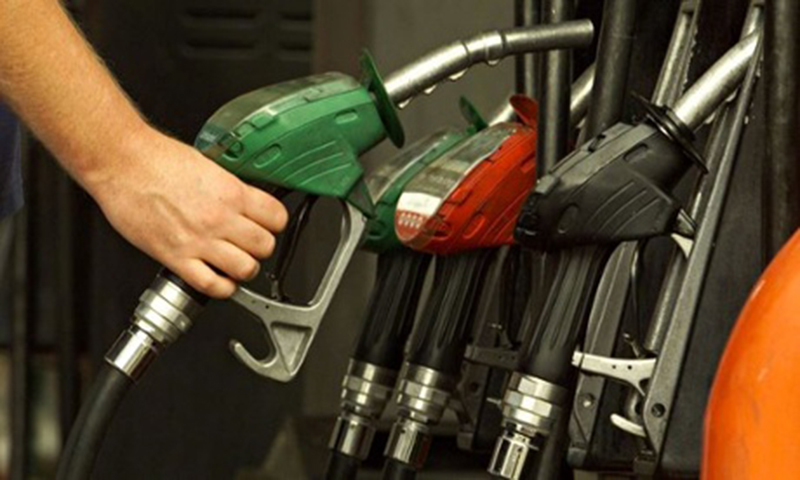
ISLAMABAD: Pakistan cut the price of petrol by 3 rupees a liter for Tuesday and left diesel unchanged, resuming a decline that has taken petrol down about 34 rupees since early November.
Petrol will retail at 319 rupees a liter on Nov. 24, while high-speed diesel stays at 357 rupees, according to a notification from the Oil and Gas Regulatory Authority. The reduction follows a 1-rupee rise last week that ended a 12-day run of consecutive petrol cuts. That increase, which took petrol to 323 rupees, was notified on Nov. 19 and halted a series of reductions. Petrol was then trimmed by 1 rupee for Nov. 23 while diesel rose by 2 rupees.
The government continues to levy 114 rupees a liter in taxes and duties on petrol, about 36% of the pump price, and 100 rupees a liter on diesel.
Part of the decline rests on an arrangement announced Nov. 2 under which refineries contribute to the petroleum levy for 30 days, bearing a cumulative impact of 15 billion rupees. The government says this allows a reduction of 14.71 rupees a liter in the petrol price at the consumer end. Under the formula, refineries calculate ex-refinery petrol prices using pre-war premiums, incidentals and customs duty from March 7, and the difference between import and ex-refinery prices goes into the petroleum levy account.
The mechanism has drawn resistance from the industry. Attock Refinery, National Refinery, Cnergyico and Pakistan Refinery have jointly urged the government to withdraw the pricing change introduced Oct. 31, warning it could cost domestic producers 49.02 rupees a liter and threaten supplies and investment commitments under the Brownfield Refining Policy. The Pakistan Petroleum Dealers Association has separately demanded a forensic audit of refinery profits, claiming consumers could receive relief of 40 to 50 rupees a liter. The refiners’ and dealers’ figures are their own estimates.
Despite the recent declines, fuel remains far costlier than before the war between the US and Iran began on Feb. 28. Diesel peaked at 520.35 rupees a liter on April 3, after starting its climb from 281 rupees. Petrol touched 458.41 rupees the same day, having risen from 266 rupees in the first week of March. At current levels, petrol is about 30% below its peak and diesel about 31% below, yet petrol is still roughly 20% above its pre-surge price and diesel about 27% above.
Retail prices have also fallen with crude. Brent dropped about 3.5% to 89.38 per barrel on Monday growing global supply and broader economic concerns outweighed ongoing conflict risks in the Middle East. Nearly 20% of the world’s oil and gas supply passed through the Strait of Hormuz before the war began. Pakistan imports the bulk of its petroleum needs from the Middle East, and its fuel prices track international oil prices and the rupee-dollar exchange rate.
Pakistan has changed how it sets fuel prices several times this year. Revisions were traditionally fortnightly, then moved to weekly in early March alongside fuel conservation measures, and the federal government announced targeted subsidized-fuel relief in April. After a ceasefire and the Islamabad Memorandum of Understanding between the US and Iran, Prime Minister Shehbaz Sharif cut petrol by 74 rupees a liter to 299.50 rupees.
Renewed hostilities between Iran and the US changed that. On July 17, the government replaced weekly pricing with daily reviews and notifications, citing volatility in global oil markets and concern over fuel supplies. The petroleum minister said the cabinet and the prime minister had given Ogra responsibility for setting prices each day based on international market trends. Ogra was also to publish international benchmark prices and the factors used to set retail rates, a step aimed at improving transparency.
Petrol is used mainly in private transport, small vehicles, rickshaws and two-wheelers, so price changes weigh on middle- and lower-middle-income households. Diesel affects the wider public because it fuels heavy transport, power plants and large generators. The two fuels are also the government’s main revenue earners, with combined monthly sales of about 700,000 to 800,000 tons, against roughly 10,000 tons of monthly kerosene demand.
The 30-day refinery arrangement, which began Nov. 2, is due to run out in early December. Its fate depends on the government’s talks with refiners and on whether crude keeps retreating on hopes of a US-Iran settlement.
Copyright © 2021 Independent Pakistan | All rights reserved