By Staff Reporter
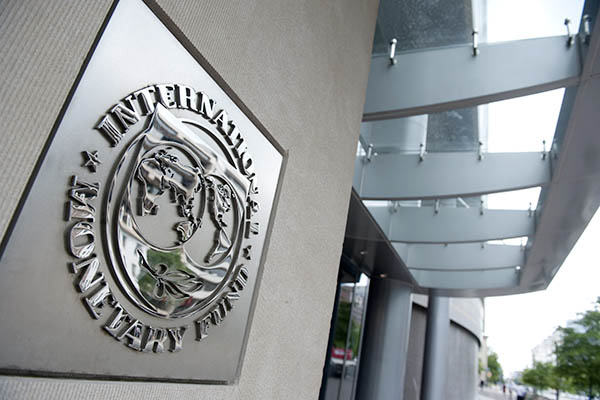
ISLAMABAD: Pakistan’s external financing requirements remain unaltered following discussions with the International Monetary Fund (IMF) regarding bailout funds, the IMF Resident Representative said on Sunday, dismissing local media speculations suggesting that the Fund was pursuing additional financial assistance.
Pérez Ruiz said that external funding requirements had not changed throughout the discussions, under a review that would unlock $1.1 billion in financing as part of a $6.5 billion IMF package.
“There is no truth to reports that the IMF is asking Pakistan to raise $8 billion in fresh financing,” Esther Pérez Ruiz said in a text message sent to the media.
The IMF, however, said that staying within the policy framework agreed upon for the review (pending ninth review) and sufficient financing from partners to support the authorities’ implementation efforts remain key to regaining macroeconomic stability.
Perez Ruiz said the February mini-budget, the adjustment of energy prices, and the measures aimed at easing import restrictions and a market-determined exchange rate, are important steps to stabilize the economy while supporting the most vulnerable.
“The IMF welcomes the announcement of important financial support to Pakistan from key external partners and looks forward to obtaining the ‘remaining necessary financing’ assurances.”
Despite implementing various measures, including a floating exchange rate, additional taxes, and increased energy tariffs, Pakistan has failed to convince the IMF to resume the bailout program.
The release of $1.1 billion under the approved bailout program has been delayed since November, and a staff-level agreement has yet to be reached. The program is scheduled to conclude in June, just before the budget for the next fiscal year.
Pakistan is facing its most severe economic crisis in decades with foreign-exchange reserves at a meager $4.5 billion — barely sufficient to cover one month’s worth of imports. Moreover, alternative sources of financing are scarce.
Pakistan and the IMF have had disagreements regarding the financing gap. It remains uncertain whether the combined $4 billion commitments from Saudi Arabia, the UAE, and China would be sufficient, or if additional external support would be required.
The IMF Executive Board is due to meet until May 17. However, Pakistan’s ninth review under the EFF program is absent from the agenda.
Pakistan, however, has told the IMF that it will not share the budgetary framework for 2023-24 unless the Fund completes the ninth review of its $6 billion loan programme.
The ongoing deadlock between the IMF and Pakistani authorities has reached an impasse, with Pakistani officials accusing the Fund of engaging in political maneuvering by refusing to move towards an SLA despite a six-month period having elapsed., remains incomplete as of mid-May 2023.
Pakistani officials assert that they have shared detailed information, including a breakdown, on the confirmation of $4 billion in financing with the IMF. They argue that the Fund’s reluctance to proceed with an SLA reflects a failure to treat Islamabad as a member state rather than a supplicant.
Officials said the ministry plans to present the Budget Strategy Paper (BSP) to the cabinet without sharing it with the IMF during today’s scheduled meeting.
Copyright © 2021 Independent Pakistan | All rights reserved