
By Staff Reporter
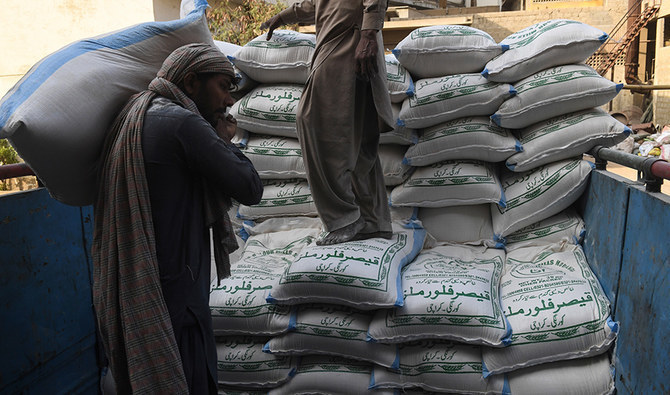
ISLAMABAD: Pakistan’s top economic policymakers on Wednesday approved the sale of surplus government wheat stocks and a major allocation to the populous Punjab province, aiming to stabilise flour prices amid ongoing pressures from food inflation and fiscal constraints.
The moves by the Economic Coordination Committee (ECC) of the Cabinet come as the South Asian nation navigates vulnerabilities in food security, including climate-driven supply disruptions and the costs of maintaining large public grain reserves. Wheat, a staple for millions, remains a flashpoint in Pakistan’s economy, where fluctuations in flour prices can fuel household inflation, spark public discontent and force expensive emergency imports.
The ECC authorized the disposal of 500,000 metric tons of wheat held by the Pakistan Agricultural Storage and Services Corporation (PASSCO), the federal grain procurement agency, through competitive bidding, according to a statement from the Finance Division. It also approved the release of 300,000 metric tons of PASSCO wheat to Punjab’s Food and Consumer Protection Department to ensure steady supplies for flour mills, prevent disruptions in the supply chain and maintain affordable wheat flour for consumers, the statement said.
“The disposal of 500,000 metric tons of PASSCO wheat stock through competitive bidding aims at managing surplus stocks, reducing carrying and storage costs, and ensuring price stability in the domestic wheat market while safeguarding food security considerations,” the Finance Division statement said.
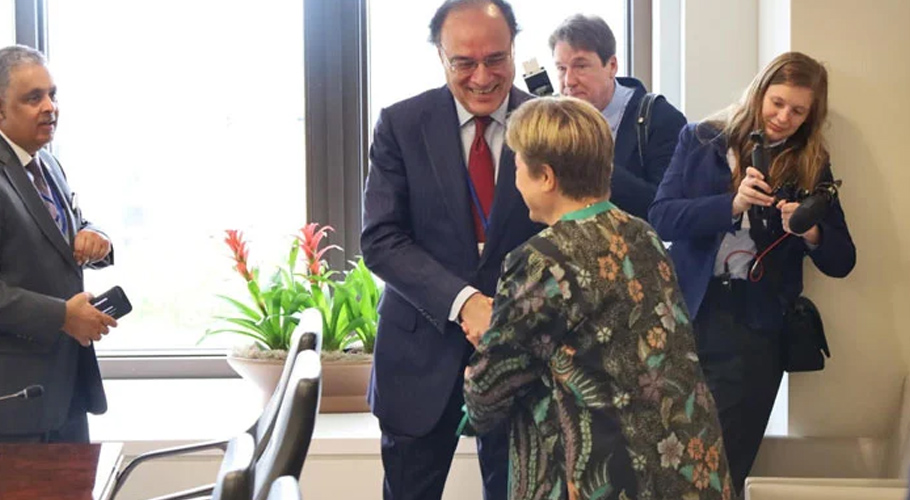
The ECC meeting, held at the Finance Division and chaired by Finance Minister Muhammad Aurangzeb, also addressed a range of other fiscal and sectoral issues. Attendees included Federal Minister for National Food Security and Research Rana Tanveer Hussain, Federal Minister for Investment Qaiser Ahmed Sheikh, along with federal secretaries and senior officials from relevant ministries, divisions and regulatory bodies.
In a separate decision, the committee greenlit a technical supplementary grant of Rs10.98 billion to settle longstanding dues owed by the Pakistan Post Office Department to utility providers, as part of efforts to clear inter-governmental arrears weighing on public finances. On health, the ECC approved Rs29.663 billion for the Federal Directorate of Immunization under the Ministry of National Health Services, Regulations and Coordination. The funds are intended to secure uninterrupted procurement of vaccines and syringes under the Expanded Programme on Immunization, sustaining routine coverage nationwide, averting outbreaks of preventable diseases and fulfilling Pakistan’s global public health obligations.
The committee further endorsed a Rs23.42 billion subsidy for imported urea, to be split equally between federal and provincial governments via a technical supplementary grant requested by the Ministry of Commerce. Of this, Rs15 billion rupees will be disbursed by the Finance Division, with the balance contingent on available fiscal space, as authorities work to shield farmers from escalating fertilizer prices and curb knock-on effects on food costs.
In housing and development, the ECC sanctioned a Rs1.9 billion technical supplementary grant for the Ministry of Housing and Works to cover capital outlays under the Sustainable Development Goals Achievement Programme. The allocation supports infrastructure projects in Khyber Pakhtunkhwa executed through the Pakistan Infrastructure Development Company Limited, with goals of speeding up development and enhancing service delivery.
Additionally, the committee approved Rs150 million for Cadet College Hasan Abdal under the Ministry of Federal Education and Professional Training to address operational and developmental needs, ensuring the institution’s continued smooth operation. Finally, the ECC cleared the distribution of confiscated solar panels by the Federal Board of Revenue to the Government of Gilgit-Baltistan, including a plan for transportation and allocation. The initiative seeks to alleviate power shortages in the remote region, advance renewable energy adoption and bolster public facilities with sustainable electricity generation.