By Staff Reporter
ISLAMABAD: Authorities in Gilgit-Baltistan have banned all new hotel construction and expansion near three iconic lakes in Hunza and across ecologically fragile zones in the Baltistan division, a step announced on Monday to shield the region’s delicate ecosystems from rampant development.
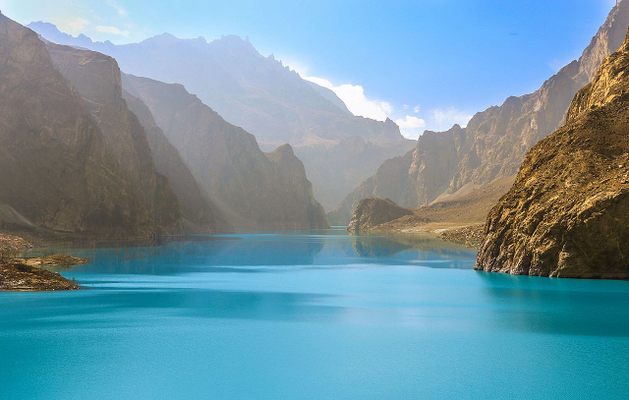
The decision follows a Rs1.5 million fine imposed last month on a hotel accused of dumping sewage into Attabad Lake, a turquoise draw for tourists. The penalty came after foreign vlogger George Buckley posted a viral Instagram video exposing the pollution, fueling public anger over environmental neglect.
The Gilgit-Baltistan Environmental Protection Agency (GB-EPA) sounded the alarm earlier this month, urging a five-year ban on hotel construction and expansion around Attabad, Borit, and Duiker lakes in Hunza. In a July 1 letter to the Hunza Deputy Commissioner, the agency demanded an “immediate halt to new hotel constructions in central Hunza lacking proper wastewater systems and a five-year moratorium on all hotel-related construction and expansion in central Hunza, Duikar, Attabad, and Borit Lake[s].”
It also pushed for a total construction ban along Borit Lake’s banks, citing its ecological role as a haven for migratory and endangered birds.
The agency’s plea didn’t stop there. A July 4 letter to the Baltistan division commissioner spotlighted rampant hotel building in central Skardu, around Upper and Lower Kachura lakes, and in areas like Hargeisa Nullah, Bashoo Nullah, and Chook or Zookh Nullah near Kachura.
It flagged tourism hotspots in Shigar, Kharmang, and Ghanche districts as equally at risk, warning that “unregulated and unsupervised development is compromising public health, freshwater resources, and sustainable development of the tourism sector, and is causing destruction to the ecosystem.”
On July 11, the Hunza Division Deputy Commissioner issued a notification, declaring that “issuance of any new no-objection certificates (NOCs) for construction or expansion of commercial or residential structures is hereby suspended with immediate effect and until further orders.”
The order zeroes in on Attabad and Borit lakes, with a blanket ban near Duiker Lake due to its “fragile mountain ecology and limited carrying capacity.” A parallel directive from the Baltistan Division Deputy Commissioner mandated a “region-wide moratorium on new construction of hotels/motels in ecologically-sensitive areas until full compliance with the Ecologically Sensitive and Critical Areas Rules 2023 is verified.”
The GB-EPA’s warnings stem from a grim investigation into the fallout of haphazard development. Around Attabad, Borit, and Duiker lakes, hotels with “outdated, ineffective and low capacity” sewage systems are fouling water channels and the Hunza River. Tests of local drinking water revealed sewage contamination, raising the specter of typhoid, dysentery, and hepatitis.
At Duiker Lake, slapdash construction has led to “inadequate sewage and poor human waste disposal arrangements,” battering the fragile mountain environment.
Air quality is taking a hit, too. The agency pointed to diesel-powered generators humming at hotels as a source of pollution, a “respiratory hazard to tourists” that clashes with the region’s reputation as a pristine retreat. Borit Lake, protected under Section 172 of the Forest Act 2019, faces its own woes: boating disrupts nesting and migratory birds, “seriously damaging the international importance and ecological functions of the lake,” the GB-EPA noted.
Attabad Lake’s troubles hit a tipping point with the sewage-dumping incident, which the GB administration penalized after Buckley’s video went viral. The agency now calls for a five-year construction freeze there to safeguard water quality, shield against floods and landslides, and ensure clean drinking water—a lifeline for locals and visitors alike.
Gilgit-Baltistan’s rugged beauty has long fueled a tourism boom, pumping vital cash into the local economy. But the moratorium throws a wrench into that growth, potentially stalling hotel projects and jobs. Still, the GB-EPA argues the cost of inaction is steeper. It’s pitching a pivot to “eco-friendly, community-based tourism,” insisting that “with responsible tourism policies, Hunza can become a global benchmark for sustainable mountain tourism.”
The agency wants tighter reins on boating and tourist activity at the lakes, alongside a full construction ban at Borit to protect its ecological sanctity. For now, the moratorium stands, with no end date in sight. Enforcement will hinge on adherence to the 2023 ecological rules, a tall order in a region where development has often outpaced oversight.
Copyright © 2021 Independent Pakistan | All rights reserved