By Staff Reporter
ISLAMABAD: In a nation where women have long confronted steep barriers to economic opportunity, a new International Labour Organisation (ILO) report has cast a harsh light on Pakistan’s widening gender pay gap.
Released on Wednesday, the “Pakistan Gender Pay Gap Report 2025” finds that women in wage jobs earn 25 percent less per hour and 30 percent less per month than men, disparities that outstrip the averages for lower-middle-income countries, where hourly and monthly gaps stand at 17 percent and 21 percent, respectively.
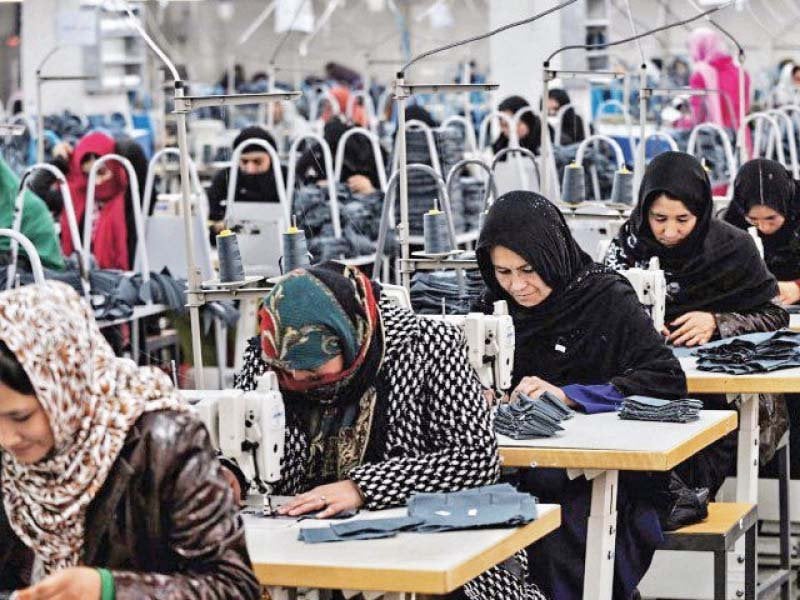
The report exposes more than just unequal pay. In 2021, only 23 percent of Pakistani women were employed, compared to 79 percent of men, a 56-percentage-point chasm that towers over regional norms in South Asia.
Women account for just 13.5 percent of the workforce, a stark indicator of their marginalization in paid employment.
Speaking at the report’s launch, Nadeem Aslam Chaudhary, Secretary of the Ministry of Overseas Pakistanis, framed the findings as a critical wake-up call. “The report and its action plan mark a key step toward dismantling the obstacles that block women from the economy,” he said.
ILO Country Director Geir Tonstol reinforced that message. “We have the data, the will, and the alliances to shift from rhetoric to results,” he said. “The ILO is committed to helping Pakistan build fair wage systems, formalize informal jobs, and open doors for women across every sector.”
The report highlights a paradox: the few women who secure wage jobs often outshine men in qualifications. They’re more likely to hold advanced degrees and to work in public-sector, formal, or professional roles with permanent contracts.
Yet their paychecks don’t reflect their credentials. These gaps ripple beyond individual wallets. With women’s employment and earnings so constrained, Pakistan is squandering the potential of half its population, a loss the economy can ill afford. The ILO’s numbers double as both indictment and impetus for change.
Pakistan has pledged to uphold two cornerstone ILO conventions on equal pay and nondiscrimination. But the report lays bare a yawning divide between those commitments and the daily reality for working women. A 25 percent hourly wage gap and a 30 percent monthly gap signal entrenched hurdles that won’t yield to promises alone.
Copyright © 2021 Independent Pakistan | All rights reserved