By Staff Reporter
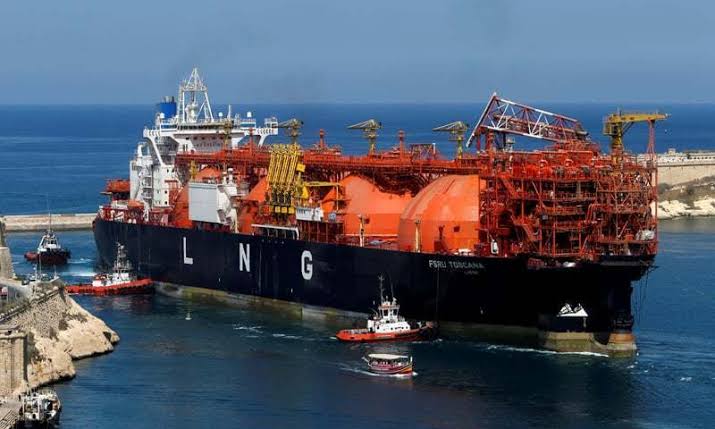
ISLAMABAD: Pakistan is drawing up a winter gas-rationing plan and cutting its liquefied natural gas import targets after disruptions to Middle East shipping routes left the government with far fewer cargoes than energy companies say they need.
Prime Minister Shehbaz Sharif on Tuesday told officials to prepare a comprehensive gas load management plan and take all necessary steps in advance, according to a statement from his office. He also ordered a public awareness campaign on the plan and measures to keep gas imports flowing without interruption, given the regional situation. He gave the instructions while chairing a meeting in Islamabad.
Officials told the meeting that domestic consumers will get priority for locally produced gas. Regasified LNG will go first to power generation and industry. The government will also run a campaign urging households to use alternative energy sources instead of piped local gas, the statement said.
Authorities are working to keep gas moving from reserves in the north of the country, the statement said. A proposal for bank financing on electric appliances used for water and space heating is under consideration.
The meeting was attended by Finance Minister Muhammad Aurangzeb, Petroleum Minister Ali Pervaiz Malik, Economic Affairs Minister Ahad Khan Cheema, National Food Security Minister Rana Tanveer Hussain, Industry Adviser Haroon Akhtar and Minister of State for Finance and Railways Bilal Azhar Kayani, along with senior officials.
The gap between what the utilities want and what the government can deliver is wide. Gas companies and the Petroleum Division asked for at least 22 import cargoes for December through February. The government’s energy task force, led by Lieutenant General Zafar Iqbal, has promised no more than 10 to 12 on a best-effort basis, using diplomatic and logistical channels. Sources say actual arrivals may be only seven to eight, given market conditions.
Cost is a constraint. Each spot cargo runs about $100 million, by the government’s estimate. At that price, the utilities’ request implies about $2.2 billion, against roughly $700 million to $800 million for seven or eight cargoes. The import plan needs Sharif’s approval, plus consent from the Finance Ministry and the State Bank of Pakistan.
The import numbers also bear on Pakistan’s external accounts. The LNG plan will affect the current account targets that the Finance Ministry has agreed with the International Monetary Fund. An IMF staff mission is in Pakistan for talks that could lead to the release of about $1.2 billion under two concurrent programs. The talks are expected to conclude positively later this week, with the mission, led by Iva Petrova, due to wrap up its visit within days. The money would come from the $7 billion Extended Fund Facility and the $1.4 billion Resilience and Sustainability Facility. Seven to eight cargoes would bring the outcome closer to the level the Finance Ministry wants.
The supply picture stems from the conflict involving the US and Iran, which has disrupted the Strait of Hormuz and Bab al-Mandab and pushed fuel prices higher. Cargoes have been crossing Hormuz case by case under arrangements involving Iran and Pakistan. Pakistan has leaned on its ties with Iran to secure several cargoes since strikes began in late February, and it received nearly all of its LNG from Qatar last year.
The latest developments point to continued strain. QatarEnergy has extended force majeure on supplies to Pakistan until Nov. 4. The government has decided to secure three Qatari cargoes for October and is preparing to contact Iranian authorities on safe passage for the vessels. Officials fear the disruption could last through winter.
Households are also facing higher costs for bottled fuel. The Oil and Gas Regulatory Authority has approved an 8% rise in liquefied petroleum gas prices for October. The 11.8-kilogram domestic cylinder will cost 244.14 rupees more.
Copyright © 2021 Independent Pakistan | All rights reserved