By Staff Reporter
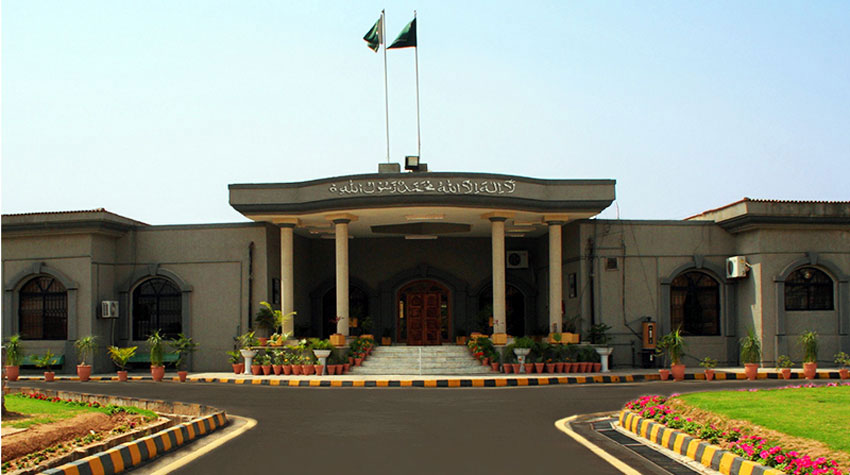
ISLAMABAD: A deeply divided Islamabad High Court (IHC) adopted the High Court Establishment (Appointment and Conditions of Service) Rules, 2025, on Wednesday, pushing through a contentious set of regulations despite fierce opposition from senior judges, Dawn newspaper reported on Thursday.
The decision, passed by a slim majority in a full court meeting, exposed fault lines within the judiciary, with dissenting judges raising alarms over administrative overreach and lack of transparency.
The full court, comprising all 11 IHC judges, convened to address three primary agenda items: amendments to polygamy laws, structural deficiencies in the IHC building, and the adoption of the new service rules.
The meeting, chaired by Chief Justice Sardar Mohammad Sarfraz Dogar, included Justices Mohsin Akhtar Kayani, Tariq Mehmood Jahangiri, Babar Sattar, Arbab Mohammad Tahir, Sardar Ejaz Ishaq Khan, Khadim Hussain Soomro, Saman Rafat Imtiaz, Mohammad Azam Khan, Mohammad Asif, and Raja Inaam Ameen Minhas.
The court unanimously approved an amendment shifting polygamy cases from executive magistrates to family courts, a move aimed at streamlining judicial processes. It also agreed to refer persistent structural issues in the IHC building, ranging from faulty elevators to an inadequate cooling system and insufficient parking, to the federal government for a comprehensive investigation.
An earlier inquiry by the public works department had identified defects in the elevators, noting they lacked promised features, but stopped short of assigning responsibility for the flawed installation and maintenance. The judges opted against involving the National Accountability Bureau or Federal Investigation Agency directly, preferring a government-led probe to address the building’s chronic problems.
However, the adoption of the High Court Establishment Rules, 2025, sparked intense discord. Chief Justice Dogar championed the rules, but five senior judges, Justices Kayani, Jahangiri, Sattar, Sardar Ejaz, and Imtiaz—opposed them, calling for amendments and greater scrutiny. The rules, spanning over 600 pages, were circulated just a day and a half before the meeting, a timeline critics argued left little room for meaningful review. Tensions had been brewing even before the meeting.
On Tuesday, Justices Sattar and Sardar Ejaz Ishaq Khan penned letters to their colleagues, accusing the court’s administration of misusing powers to marginalize dissenting voices. They pointed to a new circular requiring judges to obtain a No-Objection Certificate (NOC) from the chief justice for foreign travel, describing it as an overreach.
The judges also alleged that case assignments were being manipulated to favor those transferred to the IHC alongside Chief Justice Dogar, while permanent judges who had opposed his transfer faced sidelining. Additionally, they criticized the chief justice’s use of “master of the roster” authority to reassign part-heard cases, a practice they argued undermined judicial independence.
Justice Khan further challenged the new Practice and Procedure Rules (PPR), noting they had been gazetted without full bench approval or adequate discussion. He proposed adding five additional agenda items, including these concerns, for “proper deliberations,” signaling his determination to confront what he saw as procedural irregularities.
His plea to amend the meeting’s agenda, supported by another judge, was rejected by Chief Justice Dogar, who pressed forward with a vote. In a tense showdown, six judges, including the chief justice, voted to adopt the rules, while five dissented, vowing to record their objections in writing.
Sources told Dawn the dissenting judges questioned whether those in favor had even read the voluminous document. The response, according to sources, was telling: they had not. Some judges urged postponing the meeting to allow more time for review, but the chief justice declined, cementing the rules’ adoption by a razor-thin margin.
The decision has left the IHC fractured, with senior judges openly questioning the transparency and fairness of the court’s administrative processes. The dissenting justices’ written objections are expected to detail their concerns, potentially escalating tensions within Pakistan’s judiciary at a time when public trust in institutions remains fragile.
Copyright © 2021 Independent Pakistan | All rights reserved