By Staff Reporter
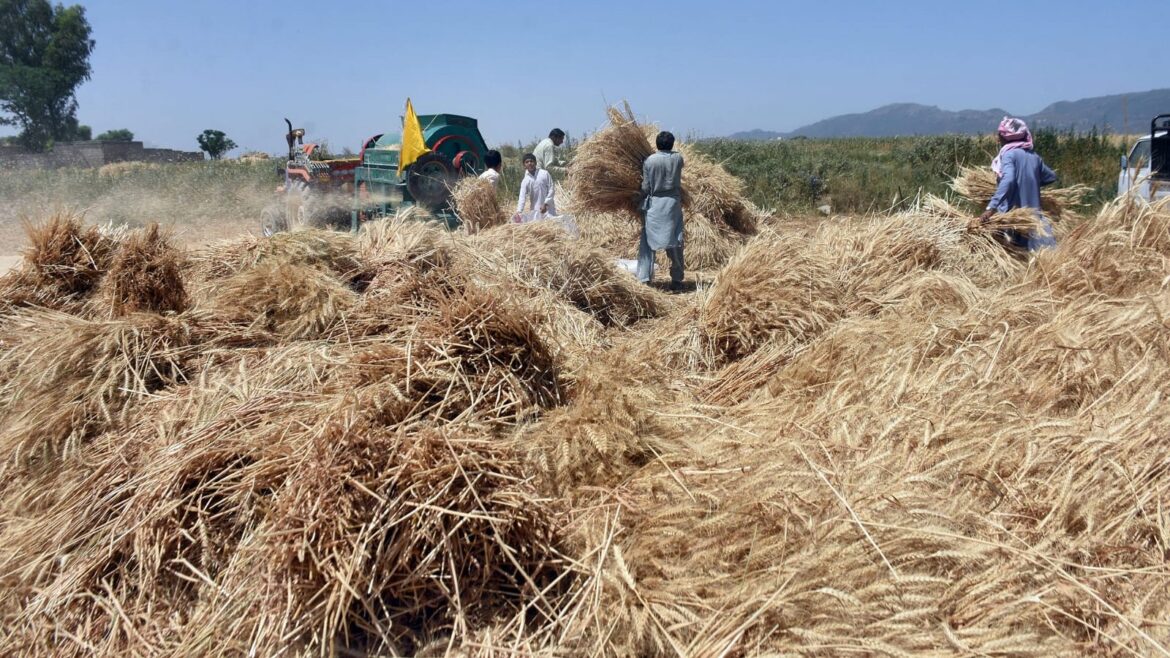
ISLAMABAD: Pakistan is turning to the International Monetary Fund to reinstate the annual announcement of a minimum support price for wheat, a move aimed at stabilising agricultural production after the policy’s abolishment triggered a decline in output and a surge in prices, food minister said.
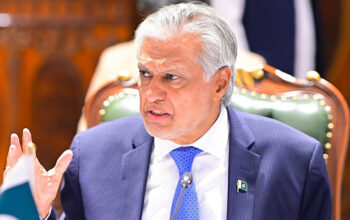
“The government is trying to convince the IMF to allow flexibility over food items,” Minister for National Food Security and Research Rana Tanveer Hussain said during a Tuesday meeting of the National Assembly Standing Committee on National Food Security and Research, chaired by MNA Syed Hussain Tariq. The decision to scrap the minimum support price (MSP) has hurt wheat production, he said, as reduced government oversight has fueled market volatility.
Hussain warned that a further 6% drop in wheat output this year could force Pakistan to import $1.5 billion worth of the staple, straining the nation’s already stretched fiscal resources. To address the crisis, the government plans to unveil a new wheat policy in the first week of October to shield farmers and consumers from price shocks, he added.
The committee meeting, attended by senior ministry officials and lawmakers including Rana Muhammad Hayat Khan and Chaudhry Iftikhar Nazir, also tackled Pakistan’s sugar supply challenges.
Hussain revealed that last year’s sugar production reached 7.6 million tons against a domestic demand of 6.3 million tons, leaving a surplus of 1.3 million tons. This year, however, output fell to 5.8 million tons, well below the projected 7.2 million tons, necessitating imports worth $150 million. Sugar exports, which earned Pakistan $450 million in foreign exchange without government subsidies, have been overshadowed by domestic price hikes.
Hussain pinned the blame on the “sugar mafia,” accusing powerful players in the industry of manipulating markets. While sugar prices have dropped from a peak of Rs210 per kilogram, committee member Rana Hayat pressed the minister on why sugar price controls lagged behind efforts to stabilise wheat. “You managed to stabilize wheat prices. Why can’t the same be done for sugar?” Hayat asked, warning that further imports could hurt farmers ahead of the upcoming crushing season.
The committee also addressed the strategic importance of tobacco, a key cash crop, reiterating calls for greater support for farmers and companies under the Ministry of National Food Security and Research. It urged the Pakistan Tobacco Board to allocate funds for research and development, particularly in seed development, and to explore hybrid energy solutions combining solar and direct electricity for tobacco curing, as fully solar-powered processing remains impractical.
Tobacco companies were directed to submit written proposals addressing their challenges, while the committee requested an update on the price differential between flavored tobacco and fillers in local and global markets.
Additionally, it recommended that a portion of the Pakistan Tobacco Board’s funds be earmarked for corporate social responsibility initiatives to support tobacco-growing communities. The Federal Board of Revenue provided data on Federal Excise Duty and cess collected from the tobacco sector over the past five years, though specific figures were not disclosed.
Copyright © 2021 Independent Pakistan | All rights reserved