By Staff Reporter
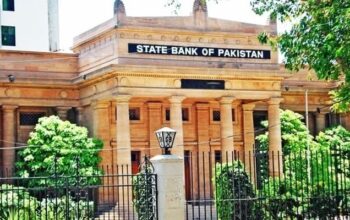
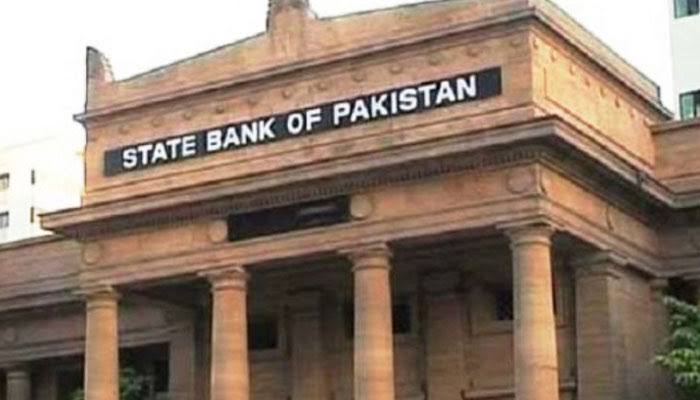
KARACHI: The central bank is poised to keep its key interest rate unchanged at 11% on Monday, according to a Reuters poll, with analysts delaying expectations for cuts until late in the fiscal year ending June 2026 amid persistent inflation threats flagged by the International Monetary Fund.
All 12 analysts surveyed anticipate no easing at the State Bank of Pakistan’s policy meeting, the last of the year. Most now project the first reduction in the closing months of fiscal 2026, with some extending forecasts into the following year starting July 2026.
Inflation is seen lingering at 6%-8% in the near term before climbing again toward fiscal 2026’s end, as base effects wane and volatile food and transport prices linger following flood-induced supply shocks. The IMF, in its second review published on Thursday, emphasized that monetary policy must stay “appropriately tight and data-dependent” to anchor expectations, highlighting the SBP’s maintenance of positive real interest rates on a forward-looking basis. The tight posture has been crucial in curbing inflation and should continue to secure price stability while aiding the restoration of external reserves, the fund said.
Analysts cited these hazards, coupled with the SBP’s inclination toward positive real rates, as reasons for policymakers’ wariness. The SBP has anchored its benchmark at 11% since September, following a cumulative 1,100 basis-point reduction from June 2024 to May 2025, when inflation plummeted from peaks near 40% in 2023.Price pressures have begun rebounding after a prolonged drop, fueled by escalating food and transport expenses alongside diminishing base effects.
Headline inflation dipped to 6.1% in November from 6.2% the prior month, yet it exceeds the SBP’s 5%-7% goal. The IMF projects a brief spike to 8%-10% this fiscal year before leveling off. While Pakistan’s economy has steadied somewhat, the rebound remains vulnerable to foreign strains. Early rate relief might strain the rupee, even with IMF funds, including a $1.2 billion tranche received this week to shore up reserves and fund climate adaptations. Any surge in demand “will have an adverse impact on the external front,” said Sana Tawfik, head of research at Arif Habib Ltd.
Industrial leaders, however, are pressing for immediate action to revive sluggish growth. “With inflation under control, PKR holding steady, and reserves outperforming targets, it is imperative for SBP to pivot,” Musadaq Zulqarnain, chief executive officer of Interloop Limited, Pakistan’s biggest textile company, posted on social media platform X on Friday.
He advocated for at least a 100 basis-point trim. “Pakistan’s growth engine is stalled, and industry is under severe stress. A timely reduction in rates will catalyse business activity — and materially ease the government’s fiscal burden. The moment calls for decisive monetary support.” Gohar Ejaz, a leading industrialist and ex-caretaker federal commerce minister, said. “Over the last 36 months, we have attempted to stabilise the economy but achieved less than 2% aggregate growth,” he wrote on X. “During the same period, the exchange rate has deteriorated from Rs160 to Rs280 per US dollar, and exports have remained stuck at around $30 billion, which clearly shows that devaluation is not the solution to make exports competitive.”
Ejaz pointed out that Pakistan’s rates are almost double those in peers like China and India. The Monetary Policy Committee has held the policy rate at 11% since early this year, trimming it by just one percentage point over the past 12 months, yielding average real rates above 6%. “This is eroding industrial competitiveness, suppressing growth, and keeping the economy on a ventilator with no export expansion,” he said, urging a drop to about 6% with real rates at 1%, matching regional norms, within six months.
Copyright © 2021 Independent Pakistan | All rights reserved