By Staff Reporter
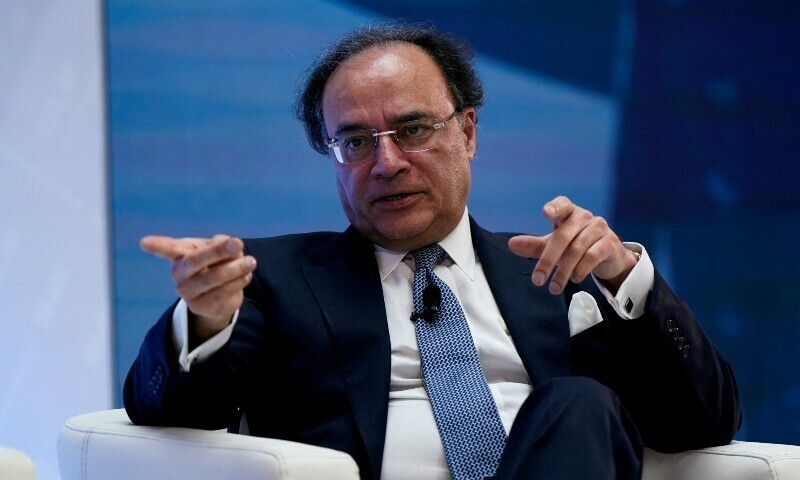
ISLAMABAD: Pakistan’s economy is stabilising after years of turmoil, but a 2.7 percent growth rate in the last fiscal year falls short of what’s needed to keep pace with a burgeoning population, Finance Minister Muhammad Aurangzeb said.
In an interview with USA Today, Aurangzeb called the expansion positive yet inadequate for absorbing the demands of a nation whose headcount is swelling rapidly. The country has notched key wins, including a primary fiscal surplus and current account surplus for the first time in years, bolstered by robust remittances and inflation cooling from a 38 percent peak to single digits.
Those milestones mark a turning point, with macroeconomic stability paving the way for investor confidence and a pivot to export-driven growth, the minister said. “This transition has been enabled by macroeconomic stabilisation, easing inflation and improved external balances,” Aurangzeb explained, adding that the government is pushing structural reforms to sustain momentum and draw global capital into sectors like agriculture, minerals, technology and climate resilience.
Entering fiscal 2025 on firmer footing, Pakistan is ditching its old reliance on consumption and debt in favor of exports and productivity gains. The latest budget embodies this shift, featuring overhauls in taxation, energy pricing and state-owned enterprises, plus tariff reforms to scrap longstanding protectionism and sharpen competitiveness, the minister said.
Aurangzeb spotlighted high-potential areas aligning with global trends. IT services, where exports have topped $4 billion and could double in five years with clearer regulations and better infrastructure; textiles; and agriculture. Tax simplifications for exporters and fewer bureaucratic snags are in the works to boost long-term efficiency.
Deeper reforms target entrenched problems, with privatisation, tariff liberalisation and energy restructuring aimed at easing fiscal strains. These steps form part of a grander vision, mirroring the World Bank’s view of Pakistan’s possible “East Asia moment,” he noted, citing a pioneering 10-year partnership framework emphasising economic tweaks alongside climate and population strategies.
Yet fiscal metrics alone won’t secure the future. Aurangzeb stressed tackling bigger threats. Explosive population growth, climate shifts, child stunting, learning gaps and girls’ exclusion from schooling, all eroding productive potential. “Increasing women’s participation in education and the workforce is both a social imperative and an economic necessity,” he said.
On the climate front, Pakistan is teaming with multilateral allies to bolster defenses against worsening floods and droughts. Risks linger—from commodity price swings and debt burdens to political jitters—but the government vows to hold the line on reforms amid geopolitical headwinds. “Discipline, consistency, and international cooperation remain central to safeguarding recent gains,” Aurangzeb emphasised.
For investors, opportunities abound in agriculture’s untapped scale, Balochistan’s Tethyan Copper Belt amid surging mineral demand, and a budding digital scene spanning data centers, AI and services. Regulations are evolving to spur innovation and lure US capital, with tech poised as a “major game-changer,” he said. Aurangzeb extended an invitation to the world, saying engage via trade, investment and partnerships.
Copyright © 2021 Independent Pakistan | All rights reserved