BY Staff Reporter
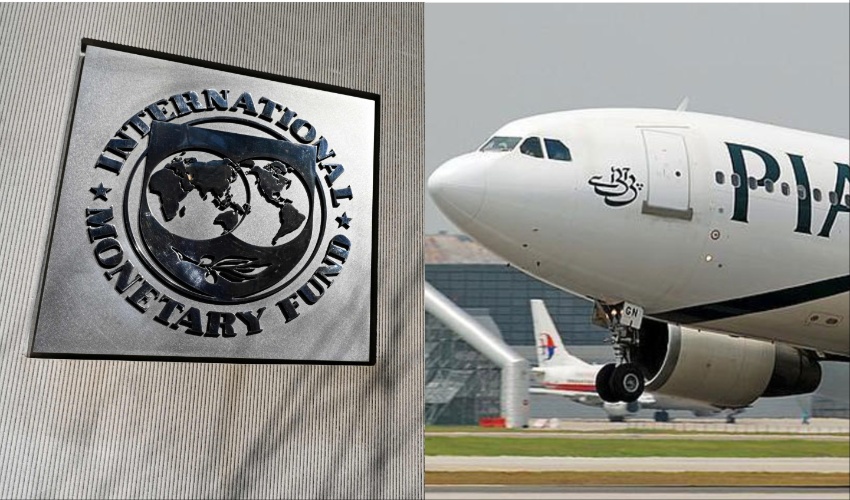
KARACHI: The International Monetary Fund has welcomed Pakistan’s successful privatisation of its national airline, calling the December sale of Pakistan International Airlines a milestone in the government’s broader push to shed loss-making state-owned enterprises.
The endorsement came as Islamabad grapples with mounting fiscal pressure from underperforming public companies. On Friday, the Cabinet Committee on State-Owned Enterprises disclosed that the sector posted a net loss of Rs122.9 billion in the fiscal year ended June 2025, a sharp deterioration from the Rs30.6 billion shortfall the previous year.
“We welcome the authorities’ privatization efforts and the completion of the PIA privatization process, which was a commitment under the EFF,” Mahir Binici, the IMF’s resident representative in Pakistan, said in emailed comments to Arab News, referring to the $7 billion Extended Fund Facility agreed last year. “This privatization represents a milestone within the authorities’ reform agenda, aimed at decreasing governmental involvement in commercial sectors and attracting investments to promote economic growth in Pakistan,” Binici added.
The transaction closed on Dec. 23 after a competitive, publicly televised auction. A consortium led by Karachi-based investment firm Arif Habib Group secured a 75% controlling stake in PIA for Rs135 billion, outbidding rivals including Lucky Cement and Airblue in multiple rounds. The deal marked Islamabad’s third attempt at offloading the chronically unprofitable carrier — a prior effort in late 2024 collapsed when a lone bid fell well short of the government’s floor price.
The sale ends more than seven decades of state ownership for the flag carrier, which has lurched from one crisis to another. PIA was grounded from key international markets for nearly five years after a fatal Airbus A320 crash in Karachi in May 2020 killed 97 people and triggered safety bans by the European Union and UK regulators. The airline gradually resumed flights to several overseas destinations in the intervening period as restrictions were lifted.
The IMF has repeatedly pressed Pakistan to tackle the fiscal drag from state enterprises, which have required repeated taxpayer-funded bailouts and contributed to ballooning public debt. Beyond PIA, the government has signalled intentions to restructure or divest stakes in other major SOEs, including power distribution companies, as part of the conditions attached to the ongoing IMF program.
Privatisation efforts remain politically charged. Critics warn that shifting assets to private hands risks job losses and the erosion of national control over strategic companies, while proponents contend that professional management can restore efficiency, improve service and halt the drain on public finances.
The Arif Habib-led group has outlined ambitious plans, including fleet expansion to as many as 64 aircraft in phases and eventual acquisition of the government’s remaining 25% stake. Officials have indicated that private management could assume day-to-day control as early as April. The PIA deal has already generated momentum elsewhere in the privatisation pipeline.
State Minister for Finance Bilal Azhar Kayani said this week that the transaction would spur greater investor and advisory interest in upcoming sales, including stakes in the Islamabad, Gujranwala and Faisalabad electricity distribution companies
Copyright © 2021 Independent Pakistan | All rights reserved