By Staff Reporter
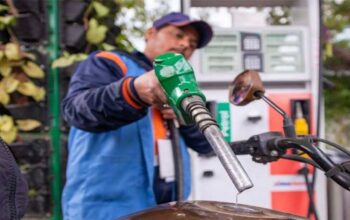
ISLAMABAD: Prime Minister Shehbaz Sharif has ordered provincial governments to take immediate legal action against anyone hoarding petroleum products and to shut down any petrol pumps found deliberately creating artificial shortages, as anxiety grows over potential supply disruptions from the escalating the United States-Israel war against Iran.
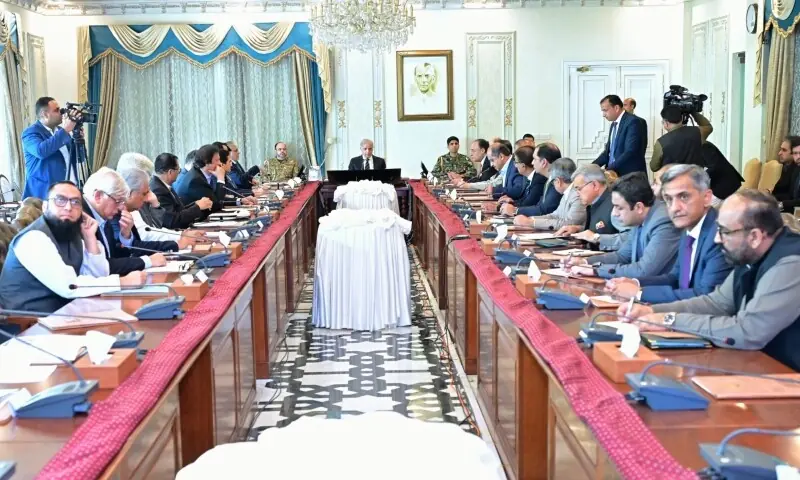
The directive was issued on Friday during a high-level meeting in Islamabad at which the ministry of petroleum briefed Sharif that the country currently holds sufficient stocks of fuel to meet domestic demand. According to a statement released by the prime minister’s office, Sharif instructed that any pump involved in the practice should have its licence revoked on the spot and face prosecution.
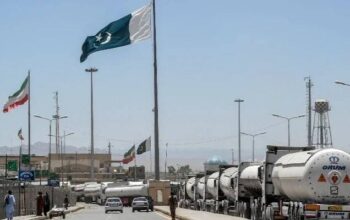
The move comes as the United States and Israel’s conflict with Iran entered its sixth day, with tanker traffic through the Strait of Hormuz – the narrow Gulf waterway through which a significant portion of Pakistan’s imported crude oil passes – effectively paralysed.
Finance minister Muhammad Aurangzeb told the meeting there was “no fuel shortage in the country, but things could become serious if the war drags on”. Pakistan has already made a formal request to Saudi Arabia for an alternative supply route through the Red Sea to safeguard its fuel chain. Earlier this week the Oil and Gas Regulatory Authority (OGRA) authorised oil marketing companies to temporarily limit supplies to retail outlets in an effort to deter hoarding and stabilise distribution.
Sharif further directed the petroleum minister to travel to the provinces and work with local administrations to draw up a detailed strategy for conserving fuel and guaranteeing uninterrupted supplies to the public. He also ordered the creation of a central digital dashboard to track the movement of petroleum products in real time, allowing provincial governments immediate access to data on transportation and stocks.
The measures form part of a wider national action plan drawn up in consultation with provincial and regional authorities. A day earlier, a cabinet committee established by the prime minister had agreed in principle to introduce weekly petroleum price adjustments starting on 8 March. The change is intended to pass on sharply increased costs – including higher insurance, freight charges and war-risk premiums – directly to consumers.
The same committee also decided to revive several Covid-era restrictions (with the exception of any health-related curbs) such as distance learning, work-from-home arrangements and car-pooling, in an effort to reduce fuel consumption and ease pressure on foreign exchange reserves. The full plan was due to be presented to Sharif on Friday for final clearance before being sent to the Economic Coordination Committee of the cabinet for formal approval and implementation.
Friday’s meeting was attended by the deputy prime minister and foreign minister, Ishaq Dar; the federal ministers Jam Kamal Khan, Ahsan Khan Cheema, Muhammad Aurangzeb, Attaullah Tarar, Ali Pervaiz Malik and Awais Leghari; the governor of the State Bank, Jameel Ahmad; and the chief secretaries of Sindh, Punjab, Khyber Pakhtunkhwa, Balochistan, Azad Kashmir and Gilgit-Baltistan.
The government’s swift response reflects growing concern in Islamabad that a prolonged conflict in the Gulf could quickly translate into fuel shortages and economic strain for a country already grappling with tight foreign reserves and high cost of living. Officials have stressed that, for now, existing stocks are adequate, but the emphasis is clearly on pre-emptive action to prevent panic buying and speculative hoarding.
Copyright © 2021 Independent Pakistan | All rights reserved