By Staff Reporter
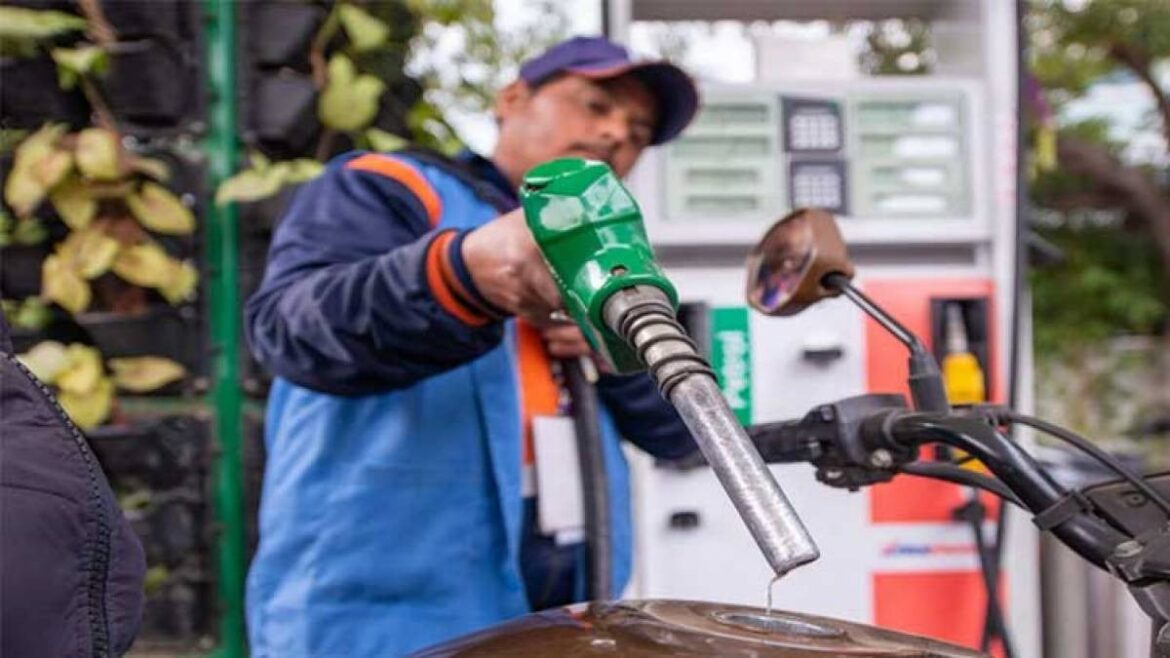
ISLAMABAD: Pakistan raised retail fuel prices for a second consecutive day on Tuesday, as the government’s new daily pricing mechanism continued to pass through volatility from renewed fighting between the United States and Iran that has rattled global oil markets.
The Petroleum Division increased the price of petrol by 1.08 rupees a liter and high-speed diesel by 51 paisas, according to a notification issued Tuesday. The adjustments take effect Wednesday, pushing petrol to 343.87 rupees a liter and diesel to 370.92 rupees.
The increase follows a mixed move a day earlier, when the government raised petrol prices by 77 paisas while cutting diesel by 1.03 rupees for September 1 — an illustration of how the twice-daily-adjusted system has begun reflecting swings in international crude benchmarks almost in real time.
Government levies remain a substantial share of the pump price. Taxes and duties account for 114 rupees a liter on petrol and 100 rupees on diesel, unchanged in Tuesday’s revision.
Prices Well Off April Peaks
Tuesday’s increases leave both fuels far below the highs reached earlier this year, when an earlier round of US-Iran hostilities sent Pakistani fuel prices surging. Diesel peaked at 520.35 rupees a liter on April 3, having climbed from 281 rupees after fighting broke out on February 28. Petrol hit a high of 458.41 rupees the same day, up from 266 rupees in the first week of March.
The government shifted to daily price notifications on July 17, abandoning the weekly review system it had used since early March. Petroleum Minister Ali Pervaiz Malik said at the time that the change reflected instructions from the cabinet and the prime minister, who tasked the Oil and Gas Regulatory Authority with adjusting prices daily in line with international market movements. The government also rolled out targeted subsidies in April aimed at cushioning the impact on lower-income consumers.
Crude Jumps on Renewed Strikes
The latest domestic increase came as crude oil jumped roughly 4% to a one-week high, after the U.S. carried out fresh air strikes on Iranian targets Tuesday, extending an exchange of fire that resumed over the weekend for the first time since July.
Brent crude rose $3.44, or 3.8%, to $93.93 a barrel as of 1:10 p.m. in New York, while West Texas Intermediate gained $3.72, or 4.3%, to $89.48. Prices had already climbed following the initial exchange of strikes and reports that two tankers were hit near the Strait of Hormuz, the critical waterway that Iran has largely closed to shipping.
“The fresh hostilities raised concerns about prolonged disruptions to energy flows through the Strait of Hormuz,” said Ole Hansen, an analyst at Saxo Bank.
Import Dependence Amplifies Impact
Pakistan’s exposure to such swings is structural. Petroleum products rank among the country’s largest import categories, according to the Pakistan Economic Survey 2024-25, and domestic refineries cover only a fraction of national demand. The gap is filled through imports of crude and refined products, meaning that increases in global oil prices flow quickly into Pakistan’s import bill, pressure its foreign exchange reserves, and add to inflation.
The country has moved away from the subsidy-heavy pricing regime it once used to shield consumers from global price swings. Those interventions carried significant fiscal costs: when governments delayed passing on price increases during periods of elevated global crude prices, the resulting strain fell on oil marketing companies, refiners and the national budget, widening fiscal deficits and adding to public borrowing.
Petrol and diesel remain the country’s dominant fuel products by volume, with combined monthly sales of roughly 700,000 to 800,000 tonnes, dwarfing the 10,000 tonnes of monthly demand for kerosene. Petrol is used predominantly in private transport, motorcycles and rickshaws, making price changes most keenly felt by middle- and lower-income households. Diesel, used heavily in freight transport, power generation and agriculture, has broader knock-on effects across the economy.
Copyright © 2021 Independent Pakistan | All rights reserved