By Staff Reporter
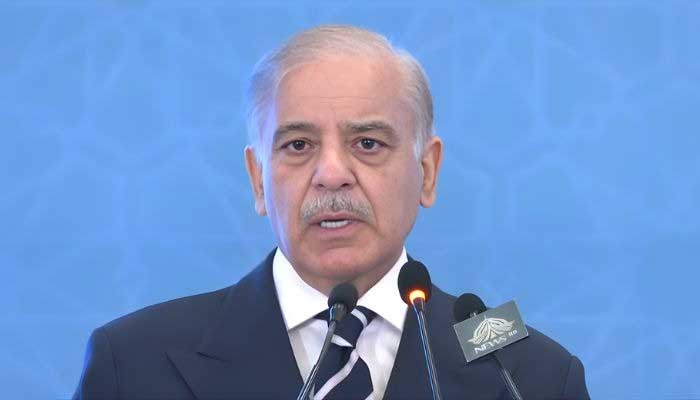
ISLAMABAD: Prime Minister Shehbaz Sharif has ordered the Intelligence Bureau to police the government’s new national austerity plan, tasking the spy agency with auditing fuel-conservation measures across federal and provincial institutions as global oil markets reel from escalating conflict in the Middle East.
A Cabinet Division notification issued on Monday directed the IB to carry out a “comprehensive audit and validation exercise, including impact assessment,” of all fuel-saving and additional austerity steps. The bureau must file weekly reports to the prime minister and the Committee for Monitoring and Implementation of Fuel Conservation and Additional Austerity Measures, the notification said.
The move comes after Sharif on March 9 announced sweeping spending cuts and energy-conservation rules triggered by surging fuel costs from the US-Israel-Iran tensions. In a national address that day, the premier described the decisions as “difficult economic and administrative” steps aimed at shielding the public from the energy crisis. Both federal and provincial governments will slash expenditures, adopt a four-day working week and curb non-essential travel, he said.
Cabinet members, advisers and special assistants will forgo salaries for the next two months, while lawmakers face a 25% pay cut over the same period. Schools will close temporarily and higher-education classes will shift online. The IB has also been instructed to monitor compliance inside the National Assembly and Senate secretariats, with authorities promising “immediate action” against any officials found violating the rules.
The notification followed a review meeting chaired by Sharif on Monday. In a statement issued afterward by the Prime Minister’s Office, he reiterated that “economic stability and provision of relief to the public remain the government’s top priorities.” All steps are designed to deliver both immediate relief and longer-term stability, he said, adding that Islamabad stands ready to confront any fallout from the global tensions.
Sharif used the session to press petroleum distribution companies to sell fuel strictly at government-fixed prices and to operate with full transparency. He credited “timely decisions” for ensuring adequate stocks of petroleum products despite the turmoil. The government is holding consultations on further relief measures, he told attendees. During the briefing, officials updated the prime minister on current oil reserves, import volumes needed to meet domestic demand, and ongoing efforts to shield consumers. Sales of petroleum products are being monitored continuously to guarantee uninterrupted supply at prescribed prices, the meeting was told.
A new feature rolled out on the Pak App will let consumers report fuel shortages or overpricing anywhere in the country, triggering immediate enforcement action. Participants welcomed Sharif’s decision last Friday to hold petroleum prices steady.
The directive to oil companies underscores Islamabad’s push to prevent hoarding while the Middle East conflict intensifies. Global markets have been roiled since the US and Israel struck Iran last month, prompting Tehran to retaliate by targeting US interests in the Gulf and effectively shutting the Strait of Hormuz. The waterway, through which roughly 20% of the world’s oil and gas flows, has seen shipping disruptions that have driven crude prices sharply higher worldwide.
Pakistan, which imports the bulk of its petroleum needs, has warned that any prolonged closure of the strait could threaten domestic stocks, inflate shipping costs and spark a balance-of-payments crisis. The government has already pledged stern action against hoarders and insists current reserves are sufficient thanks to proactive planning. Islamabad has urged all parties in the Middle East to de-escalate and settle differences through dialogue and diplomacy.
Copyright © 2021 Independent Pakistan | All rights reserved