By Staff Reporter
ISLAMABAD: Efforts by regional powers, including Pakistan, to broker a ceasefire between the United States and Iran have collapsed, with Tehran formally rejecting planned direct talks in Islamabad and branding American demands unacceptable, The Wall Street Journal reported on Friday.
The setback marks a sharp reversal for diplomatic initiatives aimed at halting a conflict that has already threatened global supplies of oil, natural gas and fertilizer while disrupting international air travel and sending shock waves through energy markets. Iran’s control over the Strait of Hormuz, a chokepoint for much of the world’s oil trade, has only intensified the economic fallout.
Earlier this week, China and Pakistan jointly proposed a five-point plan to end the fighting. The initiative calls for an immediate halt to attacks on civilians and nonmilitary targets, including energy infrastructure and desalination plants. It urges the secure reopening of shipping lanes, ensuring “the early and safe passage of civilian and commercial ships” through the Strait of Hormuz. Any lasting peace, the two countries said, must rest on the UN Charter and international law.
Yet those proposals appear to have gained little traction. Iran has told mediators it will not meet US officials in Islamabad in the coming days and views Washington’s conditions as unacceptable, the Journal reported. The refusal comes despite repeated attempts by Pakistani diplomats to position Islamabad as a neutral venue for dialogue. Pakistan’s offer to host the talks now hangs in limbo. Foreign Minister Ishaq Dar had previously described the role as an honor, saying his government was prepared to facilitate “meaningful talks.” President Donald Trump, for his part, had signaled that negotiations were progressing, telling reporters that “we’re doing extremely well in that negotiation,” without offering specifics.
Iran, however, has repeatedly distanced itself from the process. In a statement posted on X by its Consulate General in Mumbai, Foreign Ministry spokesman Esmail Baghaei said Tehran had no role in Pakistan-facilitated talks and had received only “excessive and unreasonable demands” through intermediaries. “Pakistan’s forums are their own; we didn’t participate,” the statement said. While welcoming regional calls to end the war, Baghaei added, “one must remember who started it.” He described a 15-point proposal from the Trump administration as “excessive, unrealistic and irrational.”
The comments underscore the fragility of the back-channel diplomacy that has unfolded largely out of public view. According to a senior Pakistani government official familiar with the negotiations, a high-level US delegation led by Vice President JD Vance was prepared to fly to Islamabad on two separate occasions in the past 10 days for direct talks with Iranian representatives. Both times, the meetings fell apart at the last minute after Tehran requested additional time for internal consultations and ultimately declined to send a team.
“We were very close … twice within the last ten days, to hosting a critical meeting,” the official said. “Unfortunately, on both occasions, Iran reconsidered and did not send its team.” The official expressed quiet disappointment with the Iranian response but noted that Tehran’s caution was understandable given the recent escalation.
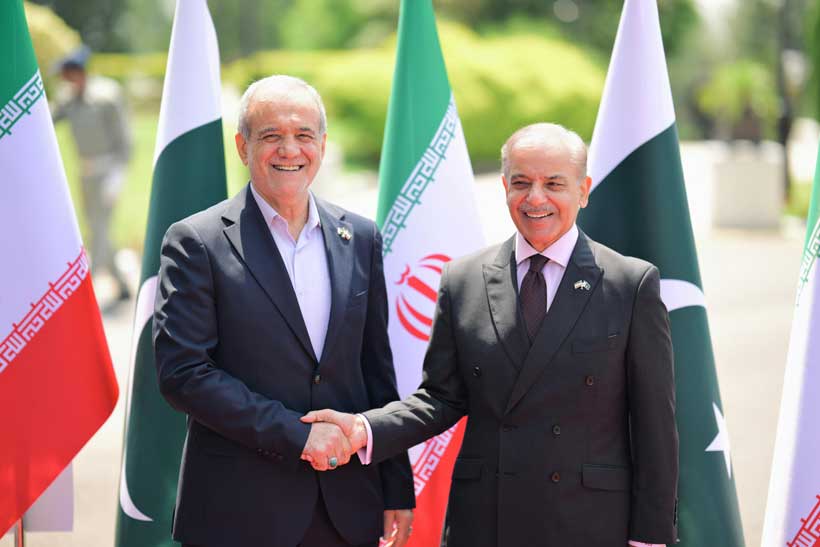
Before the conflict intensified, Pakistan had also explored a high-level outreach to Iran. Prime Minister Shehbaz Sharif and the country’s top military leadership had prepared to travel to Tehran for talks with Supreme Leader Ayatollah Ali Khamenei, who was later assassinated. Iranian officials ultimately cited security concerns and said such a meeting would not be possible; the visit was postponed.
Pakistan’s broader diplomatic posture has also created friction with some Gulf states. Its criticism of Israeli actions has not been well received everywhere. At a March 19 meeting in Riyadh of foreign ministers from 12 Muslim nations, tensions surfaced even before the formal session began. Turkish Foreign Minister Hakan Fidan was on a call with his Iranian counterpart, Abbas Araghchi, when Dar joined in. Araghchi pressed both ministers to ensure the joint statement did not appear one-sided or overly critical of Iran. The conversation unfolded as sirens sounded across Riyadh amid fears of possible Iranian retaliation.
When a draft statement circulated that Pakistani officials viewed as disproportionately blaming Iran, Islamabad pushed back. After hours of negotiations, Pakistan secured amendments that produced a more balanced text. Some participants, however, were displeased with what they saw as an overly sympathetic stance toward Tehran. Pakistan has also resisted proposals it believes could escalate the conflict. It opposed the creation of any multinational task force in the Strait of Hormuz and declined an invitation to a recent British-hosted meeting on restoring maritime traffic there, citing its commitment to de-escalation and neutrality.
Copyright © 2021 Independent Pakistan | All rights reserved