By Staff Reporter
ISLAMABAD: The government plans to present its federal budget for fiscal year 2026-27 to the National Assembly on June 12, Parliamentary Affairs Minister Tariq Fazal Chaudhry said Tuesday, as Islamabad moved to lock in a date after weeks of delays driven by coalition friction and a deepening dispute with provincial governments over revenue sharing.
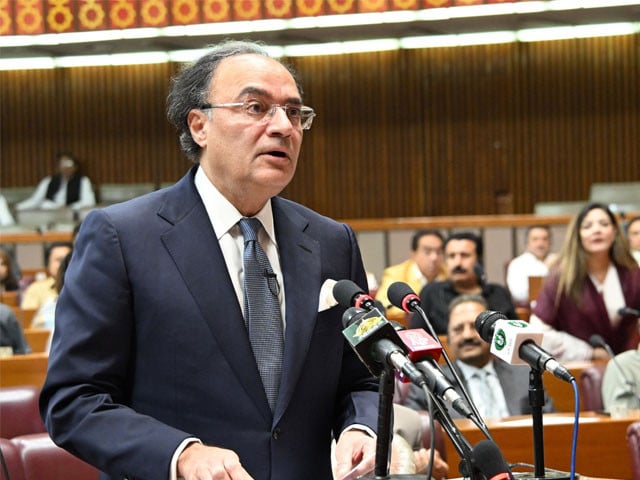
Finance Minister Muhammad Aurangzeb will deliver the budget to the lower house on Friday, Chaudhry said in a post on X, adding that summaries to convene parliamentary sessions had been dispatched to the presidency. The National Assembly has been proposed to sit at 5 p.m. on June 10, with the Senate summoned separately for 4 p.m. the same day.
The announcement marks the third revision to the budget calendar. Islamabad had initially planned a June 5 presentation before pushing the date to June 10, with consultations among coalition partners and unresolved questions over proposed fiscal measures prompting each postponement. An updated official schedule for the release of the Economic Survey of Pakistan has yet to be issued.
The fiscal calendar has been further complicated by a standoff between the federal government and the four provinces over the National Finance Commission Award, the constitutional formula that governs how tax revenues are divided between Islamabad and the regions. The National Economic Council, the apex body responsible for approving the national development outlay and macroeconomic framework, was postponed for a third consecutive time on Monday, with officials citing ongoing negotiations over the Centre’s demand to freeze provincial shares in the federal divisible pool.
Muzzammil Aslam, finance adviser to the Khyber Pakhtunkhwa chief minister, said the federal government had told the provinces that their NFC allocations for the current fiscal year would serve as a ceiling going forward — and that any receipts above that level would have to be returned to Islamabad. The Centre was seeking more than Rs1 trillion for strategic and security-related needs, according to officials familiar with the matter.
Provincial governments pushed back sharply, with Aslam saying the proposal would push their budgets into deficit and leave them unable to meet basic expenditure obligations. Federal negotiators, he said, had suggested provinces could offset the shortfall by freezing civil service salaries and curtailing development schemes — a response he characterised as unworkable.
“There is no way forward in sight,” Aslam said, adding that a new NEC date had yet to be confirmed and that consensus between the Centre and the provinces remained out of reach.
The federal government’s own coalition arithmetic, however, showed signs of stabilising. Prime Minister Shehbaz Sharif’s Pakistan Muslim League-Nawaz and its largest alliance partner, the Pakistan Peoples Party, reached a broad agreement on the structure of the federal budget during a third round of talks at Aiwan-i-Sadr on Monday, with President Asif Ali Zardari chairing the session. The discussions proceeded in two stages — a delegation-level exchange followed by a session involving the top leadership of both parties.
Federal Minister Ahsan Iqbal said the two sides had arrived at a “complete understanding” on the Public Sector Development Programme and the development budget, while noting that further technical consultations would continue on outstanding demands. President Zardari, according to a statement from his secretariat, emphasised the need to prioritise public welfare, provincial rights and economic stability in the final budget.
Finance Minister Aurangzeb said last week that the government was working in coordination with the International Monetary Fund, coalition partners and other stakeholders to finalise the fiscal plan. He said the budget would focus on broadening the tax base and improving tax administration through enforcement, while the government sought to avoid introducing fresh taxes as it balanced fiscal consolidation with political consensus.
The federal government has proposed a development budget of more than Rs1.1 trillion for fiscal 2026-27, according to budget documents detailing sector-wise allocations.
Under Pakistan’s constitution, the budget must be passed before June 30 to take legal effect from July 1 across the country — leaving the government a narrow window to resolve both the provincial revenue dispute and secure parliamentary approval before the fiscal year turns.
Copyright © 2021 Independent Pakistan | All rights reserved