By Staff Reporter
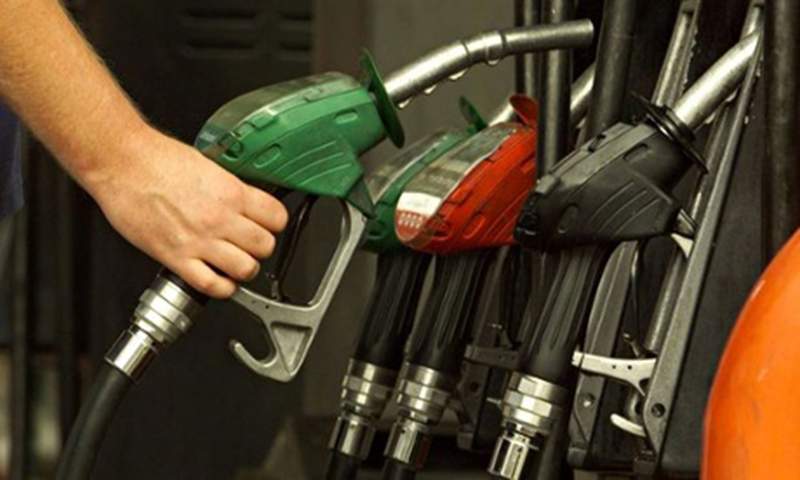
ISLAMABAD: The government convened an emergency session with oil industry executives on Thursday after petrol stockpiles fell to a 14-day supply cushion, moving to stamp out hoarding and unclog customs bottlenecks as renewed hostilities between the US and Iran push import costs higher.
The National Coordination and Management Council, a civil-military body Islamabad set up to oversee energy supplies, summoned representatives from oil marketing companies, refiners and regulators for a session billed as a comprehensive review of fuel availability nationwide. Economic Affairs Minister Ahad Khan Cheema chairs the council, with Lieutenant General Zafar Iqbal serving as co-chairman of its executive committee.
The meeting also drew Petroleum Minister Ali Pervez Malik, along with officials from the Oil Companies Advisory Council, the Federal Board of Revenue’s customs wing and the Oil and Gas Regulatory Authority, according to a statement issued after the talks.
Petrol consumption climbed 18% to 20% in the first half of July from a year earlier, while diesel demand jumped roughly 40% above the five-year average for the month, people familiar with the matter said. The surge reflects both a substantial price cut that took effect weeks ago and a narrowing of the discount on fuel smuggled across the border from Iran, which has curbed those informal inflows.
Pakistan State Oil, the country’s dominant fuel importer, compounded the squeeze by cancelling several planned cargoes after they failed to win clearance from the coordination council, a decision made as global prices slid in the run-up to what briefly looked like a US-Iran peace agreement. When hostilities resumed, import premiums surged. PSO’s two most recent petrol cargoes carried premiums of about $25 a barrel, more than double the roughly $12 quoted just ten days earlier, the people said.
Retail prices have followed suit. Petrol and diesel are now trading roughly 10 to 12 rupees and 40 to 42 rupees a liter higher, respectively, than they were as of Thursday — a gap wide enough to tempt dealers to over-order from marketing companies and hoarders to withhold stock in anticipation of further increases.
Smaller Players Hold Back
While PSO continues to underwrite the bulk of the country’s fuel needs, smaller importers have grown wary of committing capital. Companies across the industry are owed more than 66 billion rupees in unpaid price differential claims from the government, and executives have separately flagged persistent delays clearing customs.
Diesel supplies remain healthier, with cover at about 21 days and domestic refining output tracking closely with consumption. Petrol demand currently runs at approximately 25,000 tons a day against inventories of 345,000 tons, with local refineries contributing no more than 9,000 tons daily. High-speed diesel stocks stand near 465,000 tons versus daily use of about 23,000 tons, with refiners supplying roughly 16,000 tons of that total.
The Oil Companies Advisory Council, which represents more than three dozen refiners and marketing firms, had flagged the strain to officials a day before the council meeting, warning that customs delays were effectively locking up part of the country’s saleable inventory.
“Under the prevailing circumstances, any further delays in customs clearance could materially impact product availability and increase the likelihood of localised shortages, especially in upcountry locations,” the group said in its warning to the government, according to the statement.
Hoarding Concerns
Regulators point to the timing of the demand spike as evidence of speculative stockpiling. An analysis by Ogra presented during the session concluded that the jump in sales during the first half of July was too abrupt to be explained by seasonal patterns alone, and likely reflected dealers positioning for an anticipated price increase, according to the statement.
The coordination council directed Ogra to step up monitoring across the supply chain — from refineries and storage depots to distributors and retail pumps — and to investigate irregular patterns swiftly. Provincial governments were told to intensify inspections, impose stock limits where warranted, and pursue enforcement action against hoarding or profiteering.
Officials said the council concluded that national fuel stocks remain adequate to meet demand and instructed all parties to keep supply chains running without interruption. Customs authorities, meanwhile, pledged to resolve clearance delays on their end, according to people familiar with the discussions.
The review comes weeks after Prime Minister Shehbaz Sharif ordered a broader crackdown on fuel hoarding and directed real-time monitoring of stock levels nationwide, underscoring the government’s growing focus on price and supply stability as the region’s security situation remains fluid.
Copyright © 2021 Independent Pakistan | All rights reserved