By Staff Reporter
ISLAMABAD: Foreign journalists working in Pakistan will be required to obtain official permission before travelling outside the country’s three largest cities to carry out reporting work, under sweeping new regulations issued by the government.
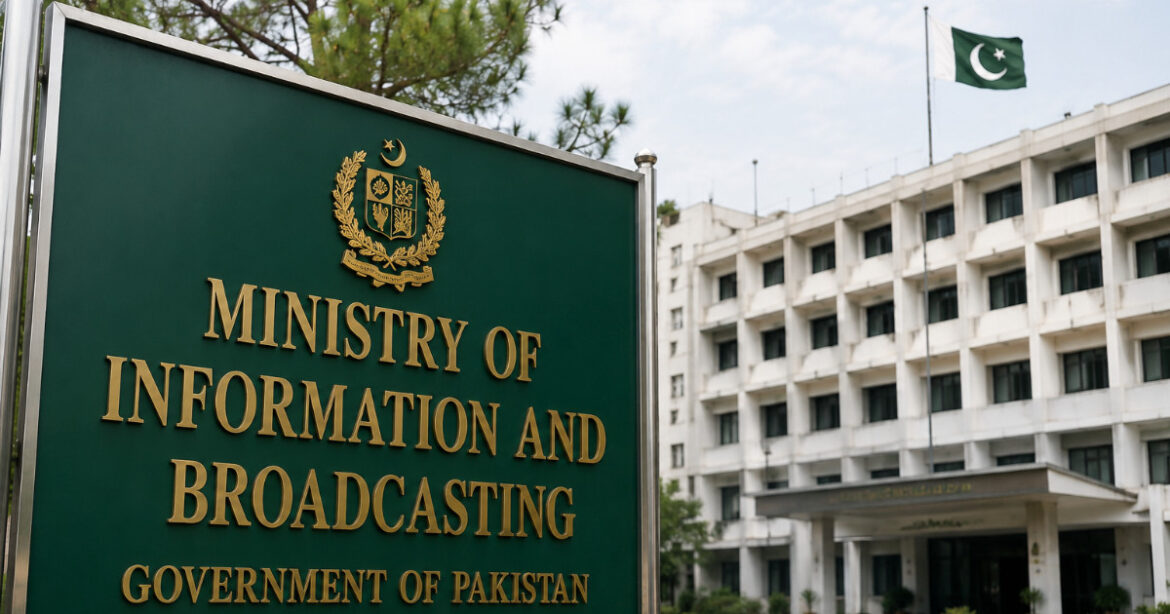
The Foreign Media Facilitation Guidelines 2026, published by the Ministry of Information and Broadcasting, mean that any accredited overseas media worker wishing to leave Islamabad, Lahore or Karachi for the purposes of gathering news will first need to secure a No Objection Certificate from the ministry’s External Publicity Wing.
The requirement applies to those seeking to produce “news content, story, video, film, documentary or social media content” for official use, according to the guidelines, and covers a wide range of media workers beyond reporters themselves, including media owners, freelancers, sponsors, fixers and other associated personnel.
Even non-work travel is not exempt from the new bureaucracy. Journalists wishing to take a leisure trip to the hill resorts of Abbottabad or Murree — both popular tourist destinations within a few hours of the capital — will still need to apply for a certificate, though the ministry says these will be processed within three working days.
The guidelines set out a comprehensive registration and accreditation system for what the ministry describes as “foreign media houses, organisations and outlets working in Pakistan” and all journalists, sources and associated staff working for them. The rules extend to Pakistani nationals reporting from abroad for international outlets, as well as production companies and other businesses that provide services to foreign media operating inside the country.
Under the new system, all foreign and international media — spanning print, broadcast and digital platforms, including social media and web-based outlets — must register through a dedicated online portal run by the External Publicity Wing.
Pakistani journalists based overseas who contribute to foreign publications are required to apply through the same portal, but must also route their applications through the nearest Pakistani diplomatic mission, whether that is a press attaché, counsellor or minister attached to an embassy, consulate or high commission.
The ministry was explicit that registration does not amount to any formal endorsement. “Registration shall not confer any official status and only establishes professional recognition,” the notification states, adding that applications will only be processed if backed by a recommendation from the head of the relevant organisation.
Once registered, journalists may then apply for a Press Accreditation Card, submitted through the same online system alongside supporting documentation. Two tiers of accreditation are on offer: a permanent card renewed annually, and a temporary version for visiting journalists, capped at three months.
Holders of the accreditation card will be granted access to official media events and government buildings, but the ministry has warned that journalists must be prepared to produce the card whenever asked. The card must also be handed back should a journalist change organisation or role, or once their accreditation period comes to an end.
According to the timeline set out in the guidelines, registration cards should be issued within seven working days of an application being submitted, while accreditation cards may take between four and six weeks to process. The ministry has reserved the right to request further information or documentation from applicants at any stage.
The new rules represent one of the most detailed sets of restrictions placed on foreign media operating in Pakistan in recent years, formalising what has often been an informal patchwork of clearances required for reporting trips outside the main urban centres.
Copyright © 2021 Independent Pakistan | All rights reserved