By Staff Reporter
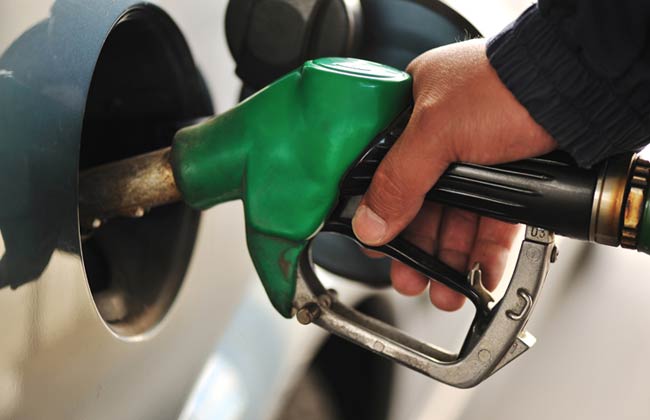
ISLAMABAD: Pakistan left retail prices for gasoline and diesel unchanged for Tuesday after international benchmark data needed to calculate a new rate failed to materialise, a gap that underscores the growing pains of a pricing system introduced just weeks ago to respond faster to swings in global oil markets.
The Petroleum Division said in a notification Monday that Platts assessments — the London-based price-reporting service the government now uses to set fuel costs daily — were not published on August 10, leaving officials without the input required to adjust rates. Gasoline will continue selling at 327.62 rupees a liter and high-speed diesel at 380.86 rupees, both effective Tuesday, matching levels that have held since August 8.
The freeze offers a small reprieve for Pakistani drivers who have absorbed months of price swings tied to volatility in the Middle East. It also highlights a wrinkle in the daily-pricing mechanism Islamabad rolled out in mid-July: the system leans on uninterrupted data flow from Platts, and any gap in that reporting leaves the government with no fresh number to publish.
Taxes remain the biggest single component of the pump price. The government collects 114 rupees a liter in duties and levies on gasoline and 100 rupees a liter on diesel — a structure Petroleum Minister Ali Pervaiz Malik has defended as necessary to satisfy International Monetary Fund conditions attached to Pakistan’s loan program, even as he has acknowledged room to lower the levy if alternative revenue can be found.
A Volatile Run
Monday’s freeze comes after a punishing stretch for consumers. Diesel prices, according to the government data cited in the notification, peaked at 520.35 rupees a liter on April 3 after climbing from 281 rupees when hostilities between the United States and Iran flared in late February, a conflict that rattled global crude markets and pushed Pakistan — which imports the bulk of its petroleum needs — to pass higher costs through to drivers. Gasoline followed a similar arc, topping out at 458.41 rupees on the same date after starting its climb from 266 rupees in early March.
Prices have since retreated by more than a third from those highs, though they remain elevated compared with early-2025 levels, when diesel traded closer to 263 to 266 rupees a liter, according to price-tracking data compiled by industry publications.
The government initially responded to the volatility with weekly price revisions beginning in early March, paired with fuel-conservation measures aimed at cushioning the economy against potential supply disruptions from the conflict. In April, the federal government layered on targeted subsidies for low-income consumers, a program Malik has said drew on roughly 130 billion rupees in initial federal funding before expanding to several hundred billion rupees with backing from President Asif Ali Zardari and the country’s provincial governments.
Switch to Daily Pricing
The shift to daily price-setting, announced by Malik in mid-July, represented a more fundamental change. Under the new mechanism, the Oil and Gas Regulatory Authority calculates rates using a seven-day rolling average of international benchmarks rather than waiting for a weekly government review — a move Malik framed as a step toward a more market-driven, deregulated petroleum sector that would curb the windfall gains oil companies could previously capture by anticipating price changes under the old weekly system.
The overhaul did not go over well with fuel retailers. The All Pakistan Petroleum Dealers Association and the All Pakistan Petrol Pumps Owners Association initially rejected the daily mechanism outright, warning that constant price changes would create operational and financial strain for filling stations already working on thin margins. The pump owners’ group went as far as announcing a nationwide 24-hour strike in protest, alongside demands that included raising dealer margins to 8% from a fixed rate of roughly 8 rupees a liter and scrapping a separate 0.8% levy dealers said cut into their earnings.
The standoff was defused, at least temporarily, after Malik met with association representatives and pledged the government would address their concerns within two weeks, prompting dealers to postpone the walkout. The minister said Ogra would begin publishing its pricing formula and daily rate breakdowns on its website in both English and Urdu, and that the federal cabinet would weigh the regulator’s recommendations on dealer compensation.
Uneven Impact
The two fuels play different roles in Pakistan’s economy, and price swings ripple through different segments of the population. Gasoline is used predominantly in private cars, motorcycles, rickshaws and other small vehicles, making it a closely watched cost for middle- and lower-middle-income households that rely on personal transport for daily commuting. Diesel, by contrast, powers the heavy-transport sector, agricultural machinery, power plants and large generators, giving its price broader reach into freight costs, food prices and electricity generation.
Combined, the two products anchor Pakistan’s fuel-tax revenue base, with monthly sales running between 700,000 and 800,000 metric tons — dwarfing the roughly 10,000 tons of kerosene sold each month, a fuel that has become a minor player in the country’s energy mix as households and industry have shifted toward other sources.
Copyright © 2021 Independent Pakistan | All rights reserved