By Staff Reporter
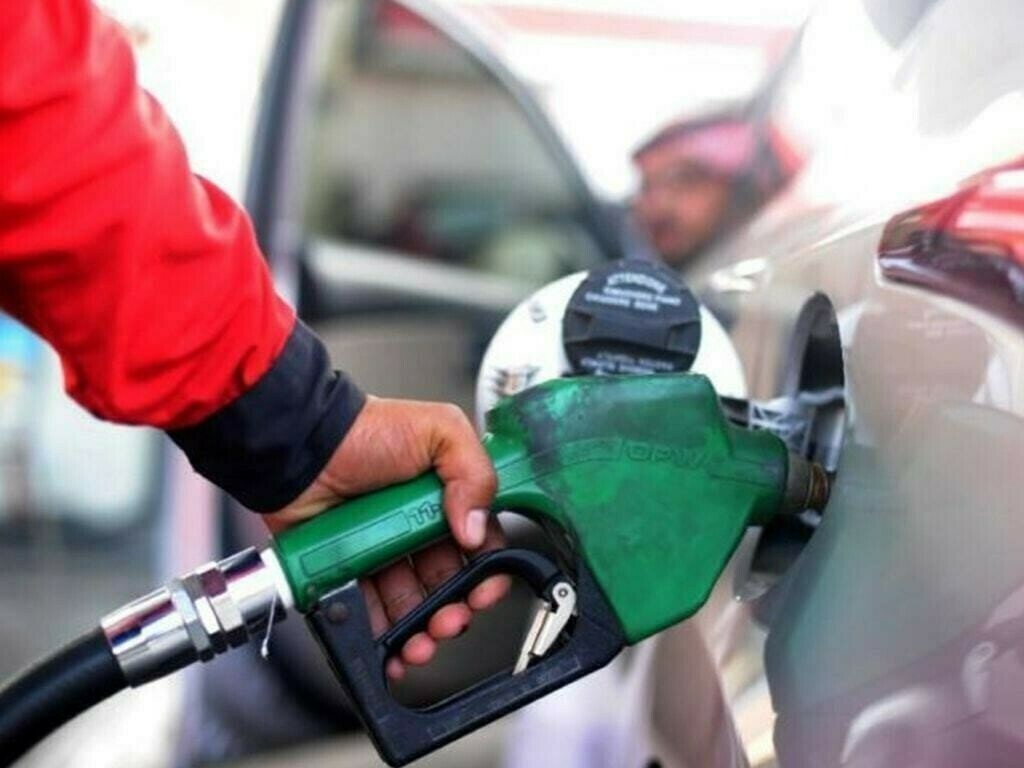
ISLAMABAD: Pakistan raised retail fuel prices for a third consecutive day on Tuesday, pushing petrol and diesel costs higher as the country’s month-old daily pricing mechanism continues to pass through volatility in international oil markets tied to the conflict between Iran and the US.
The Petroleum Division said in a notification that petrol will rise by 3.34 rupees to 334.54 rupees a liter, while high-speed diesel will increase by 5.27 rupees to 395.69 rupees a liter, effective Wednesday. The government left taxes and duties unchanged at 114 rupees a liter on petrol and 100 rupees a liter on diesel.
The increase follows a steeper rise announced Monday, when petrol jumped 5.77 rupees and diesel climbed 6.47 rupees a liter. Combined, the two increases have added more than 9 rupees to the price of petrol and nearly 12 rupees to diesel in the span of two days, underscoring how quickly the shift to daily reviews is transmitting swings in global crude prices to consumers at the pump.
The moves mark the latest turn in a volatile year for Pakistani fuel prices. Petrol has climbed back to within roughly 124 rupees of the all-time high of 458.41 rupees a liter it reached on April 3, a peak reached after prices surged from 266 rupees in early March. Diesel has followed a similar arc, retreating from an April 3 record of 520.35 rupees a liter but still well above the 281 rupees it traded at before the crisis began.
The volatility traces back to February 28, when Israeli and US strikes on Iran triggered a broader regional conflict and prompted Tehran to close the Strait of Hormuz, the waterway that had carried roughly a fifth of the world’s seaborne energy supplies. Pakistan, which sources the bulk of its crude and refined products from Saudi Arabia and the United Arab Emirates through the strait, saw its import costs spike almost immediately, forcing Islamabad to abandon its traditional fortnightly price-setting cycle.
The government initially moved to weekly adjustments in early March as it scrambled to keep pump prices aligned with a fast-moving crude market, while also rolling out fuel-conservation measures and, in April, targeted subsidies aimed at cushioning the impact on lower-income households.
Prime Minister Shehbaz Sharif government handed the Oil and Gas Regulatory Authority, or Ogra, responsibility for setting prices daily based on international trends, a shift the government has framed as a transparency measure that lets it react to market swings in near real time rather than locking in outdated rates for two weeks at a stretch. Ogra now calculates rates using a seven-day rolling average of international benchmarks and publishes the resulting prices on its website each day.
Petrol and diesel remain the two largest revenue generators in Pakistan’s fuel mix, with combined monthly sales of roughly 700,000 to 800,000 tons, dwarfing the 10,000 tons of kerosene sold each month. The two fuels also serve starkly different segments of the economy: petrol is consumed largely by private cars, motorcycles and rickshaws, making its price a closely watched barometer for middle- and lower-income households, while diesel powers the freight trucks, buses, tube wells and backup generators that keep goods moving and factories running, giving its price broader reach into transport and food costs nationwide.
Copyright © 2021 Independent Pakistan | All rights reserved