By Staff Reporter
ISLAMABAD: The independent power producers are paying inflated prices for imported coal through opaque procurement practices that regulators say are quietly padding electricity bills for millions of consumers, according to government findings that have prompted new policy guidelines aimed at plugging the leak, Dawn newspaper reported on Wednesday.
The country’s power division and the National Electric Power Regulatory Authority have identified what officials describe as systemic inefficiencies in how private power plants buy coal from international suppliers — costs that flow directly to households and businesses through monthly fuel price adjustments added to electricity bills.
The scale of the gap became evident after a competitive tender for the state-owned Jamshoro Power Plant secured a discount of $7.12 a ton from a Karachi-based supplier. By comparison, some contracts involving independent power producers yielded discounts of just 20 to 50 cents a ton — a difference that translates into millions of dollars in extra costs passed on to ratepayers.
“The power division has identified significant inefficiencies in the procurement of imported coal by power plants,” an official statement said Tuesday, noting that new policy guidelines could save the national exchequer as much as 380 million rupees annually.
Port Qasim Under Scrutiny
The findings build on an earlier Nepra order that flagged concerns over coal buying practices at Port Qasim Electric Power Co., which operates under a six-year supply contract yielding discounts of just $0.20 to $0.50 a ton based on estimated coal prices.
“This type of evaluation has never been observed in any bidding by any other power plant, including PQEPC, and does not seem justified, as it is based on estimated coal prices, which may change in future,” Nepra said in its ruling.
The regulator also found that Port Qasim had published its tender notice only in China, limiting the pool of potential bidders rather than seeking wider international competition. A broader tender process, Nepra said, might have produced more favorable terms.
“Had discounts been incorporated into the bid evaluation as a major criterion, it may have yielded more competitive and higher discounts from prospective bidders,” the regulator said.
Nepra further determined that Port Qasim had failed to disclose an already-executed long-term coal supply agreement during two separate discussions with the regulator, triggering proceedings over alleged misstatement or non-disclosure of information.
Stockpiling Ahead of Tender
In March, Nepra ordered Port Qasim to conduct a fresh competitive bidding process for a long-term coal supply agreement within three months of its decision on fuel price adjustments.
But officials said that in the window after the March 25 order, the company procured roughly 1.2 million tons of coal — enough to cover nearly a full year of operations — just ahead of the new tender taking effect. The subsequent contract again yielded a discount of about $0.50 a ton, far below the $7.12 secured by the Jamshoro plant.
Officials estimated the resulting cost difference at around $8 million for that single transaction. They cautioned that if similar procurement patterns hold across other independent power producers, the financial impact on consumers could be considerably larger.
Scope of the Problem
The inefficiencies were uncovered during a series of meetings chaired by the power minister, where officials examined procurement data, contractual terms and prevailing market practices, the power division said.
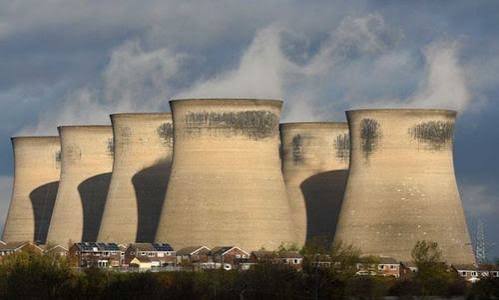
Pakistan operates a substantial fleet of coal-fired capacity tied to imported fuel. The division said roughly 5,280 megawatts of generation capacity relies wholly or partly on imported coal, spanning three major 1,320-megawatt plants at Port Qasim, Hub Power and Sahiwal, alongside the Lucky and Jamshoro facilities, which also have the capability to burn imported coal.
Coal import prices for independent power producers are typically benchmarked against internationally recognized indexes such as API-4, the division said, though the final price a plant pays also hinges on the discount it negotiates with its supplier — the variable at the center of the regulator’s concerns.
Copyright © 2021 Independent Pakistan | All rights reserved