By Staff Reporter
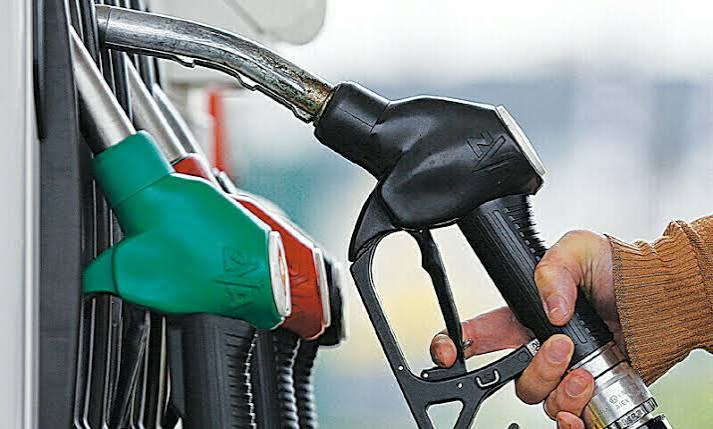
ISLAMABAD: Pakistan raised gasoline and diesel prices for a second consecutive day, extending a run of near-daily adjustments that the government adopted this year to track swings in global crude markets rattled by conflict between the US and Iran.
The Petroleum Division said in a notification that petrol will rise 1.12 rupees to 343.10 rupees a liter, while high-speed diesel climbs 1.11 rupees to 371.80 rupees. The new rates take effect Wednesday and hold through Thursday. Taxes and duties account for 114 rupees of every liter of petrol sold and 100 rupees of every liter of diesel, according to the notification.
The increase follows a smaller adjustment a day earlier, when the government lifted petrol prices by 39 paisas and diesel by 2.40 rupees for Aug. 25.
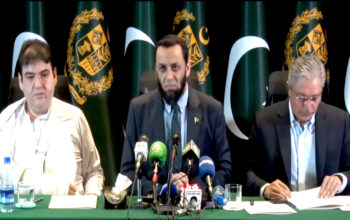
Petroleum Minister Ali Pervaiz Malik has said the cabinet and Prime Minister Shehbaz Sharif decided to hand the Oil and Gas Regulatory Authority responsibility for setting fuel prices daily, tracking international benchmarks in near-real time. The shift replaced a weekly pricing mechanism the government had used since early March, when hostilities between Iran and the US first pushed oil markets into turmoil.
The pivot to daily reviews reflects how sensitive Pakistan’s fuel bill has become to developments thousands of miles away. Diesel prices touched a record 520.35 rupees a liter on April 3, having climbed from 281 rupees after the conflict erupted on Feb. 28. Petrol followed a similar arc, peaking at 458.41 rupees on the same date after starting March at 266 rupees. The government introduced targeted subsidies in April to cushion the blow for lower-income consumers.
Fuel pricing carries outsized political weight in Pakistan, where petrol powers the motorcycles, rickshaws and small cars that dominate transport for the middle and lower-middle classes, while diesel underpins freight trucking, agriculture and the power plants that keep the lights on. Petrol and diesel together generate the bulk of fuel-tax revenue, with combined monthly sales of 700,000 to 800,000 tonnes, dwarfing the roughly 10,000 tonnes of kerosene sold each month.
The stakes for Islamabad’s finances are considerable. Petroleum products rank among Pakistan’s largest import categories, according to the Pakistan Economic Survey 2024-25, and domestic refineries cover only part of national demand. Every rise in global crude prices widens the import bill, drains foreign exchange reserves and adds to inflationary pressure — a dynamic that has repeatedly tested the country’s macroeconomic stability.
That vulnerability is partly a legacy of policy choices. Pakistan long relied on subsidies and administrative price controls to shield consumers from global swings, a strategy that protected households in the short term but left oil marketing companies, refiners and the federal budget absorbing the difference. When successive governments delayed passing higher global prices on to consumers, the resulting subsidy burden widened fiscal deficits and pushed up public borrowing, economists have said.
The risks tied to global supply routes remain front and center for policymakers in Islamabad. Oil prices are shaped by OPEC+ output decisions, Middle East conflict, sanctions on producer nations, and the security of shipping lanes including the Strait of Hormuz and the Red Sea — chokepoints that, if disrupted, can send crude and freight costs higher almost overnight. Because Pakistan imports most of the fuel it consumes, such shocks tend to show up quickly at the pump.
Copyright © 2021 Independent Pakistan | All rights reserved