By Staff Reporter
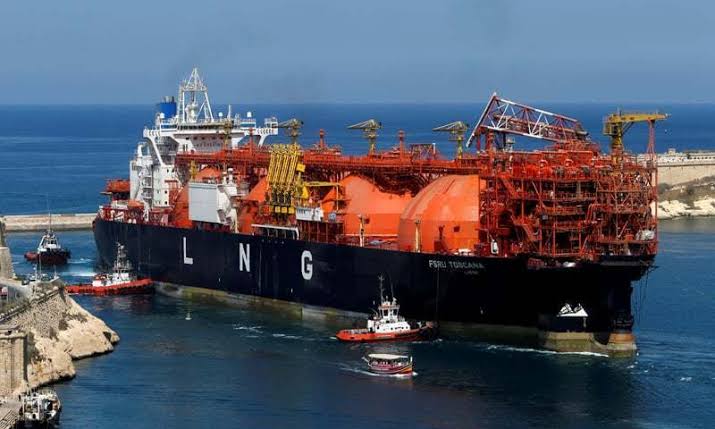
ISLAMABAD: Pakistan is heading into its peak gas season with no clear way to replace the fuel Qatar can’t deliver as QatarEnergy has extended its force majeure on LNG supplies to Nov. 6, and officials fear the shortfall will spread from power stations to fertiliser plants and exporters.
Petroleum Minister Ali Pervaiz Malik confirmed that the state-owned Qatari producer informed Islamabad of the extension. QatarEnergy cited continued disruption to shipping through the Strait of Hormuz, where the security situation has worsened. Pakistani energy officials are most worried about what comes next. If the crisis persists, they said, QatarEnergy could extend the declaration past November. That would land in December and January, when demand for gas rises sharply.
Pakistan estimates it needs about nine LNG cargoes in each of those two months. Authorities are reportedly lining up two regasified LNG (RLNG) cargoes from Qatar for October. They are also expected to consider spot-market purchases, even at sharply higher prices, to close the gap.
A prolonged disruption
Force majeure lets a party to an LNG contract suspend its obligations when war, major unrest or natural disaster prevents delivery. QatarEnergy declared it on March 4, two days after an attack on its Ras Laffan LNG complex. Iranian missiles struck the site again on March 18 and 19, damaging two LNG production trains and knocking out roughly 17% of Qatar’s export capacity, with repairs expected to take three to five years, according to company officials. Since March, Pakistan has received fewer cargoes than its contracts provide for.
The Nov. 6 extension is the latest in a series. QatarEnergy has updated customers and scrapped scheduled deliveries roughly once a month since the Iran war began. Pakistan is not alone. People familiar with the matter said Bangladesh was also notified that cancellations would run through November, and at least one Indian buyer received the same message. Italy’s Edison said it won’t receive cargoes until the beginning of December. In a message on an Italian energy markets platform, the company said QatarEnergy would cancel six more shipments, bringing the total undelivered to 35. Edison’s Italian unit, a subsidiary of France’s EDF, has replaced 23 of them, mostly with US supply. Its contract with QatarEnergy dates to 2009, runs 25 years and covers 6.4 billion cubic meters of gas a year, about 10% of Italian consumption.
The scale of the loss is large. Reuters calculated that Qatar’s LNG exports were down 96% at the end of August. Data firm ICIS counted 18 cargoes shipped through that month, against 509 in the same period last year. Shipments have picked up this month but remain far below prewar levels, and Ras Laffan is being kept ready to raise output quickly if the strait reopens. The waterway handled about a fifth of global LNG supply last year, and prices in Europe and Asia are near their highest since late 2022.
The timing makes matters worse. European buyers who can’t count on Qatari gas must find cargoes elsewhere to refill storage before the coldest months. That puts them in direct competition with Asian importers for limited supply and keeps prices high. Italy is confident it will meet the European Union’s storage target, but several countries, Germany among them, are rushing to fill their tanks.
Power, fertilizer and exports
The first pressure point for Pakistan is power. Winter electricity demand normally falls, but a prolonged RLNG shortage could still worsen outages. The country needs four to five cargoes a month in high season to run about 5,000 megawatts of LNG-fired generation, and it has already imposed rolling blackouts of up to 12 hours.
Fertilizer is next. Linepack data as of Sept. 28 show about 206 million cubic feet a day of RLNG going to the power sector, 85 million to fertilizer plants and 180 million to export and non-export industry. Fatima Fertilizer and Agritech are the two fertilizer plants drawing the 85 million. Officials said supplies to them, and to export and industrial users, may be curtailed if the shortage worsens in December and January, with domestic consumers given priority.
Islamabad has spent months managing supply with expensive stopgaps. In July it bought its seventh spot cargo since the force majeure began, at a record $21.88 per million British thermal units. A Pakistan-bound tanker crossed Hormuz this month after Islamabad used its ties with Iran to secure passage, and Malik confirmed it was carrying LNG to Karachi. Energy managers now have to balance costly alternative cargoes against protecting household gas and keeping power stations and industry running.
Copyright © 2021 Independent Pakistan | All rights reserved