By Staff Reporter
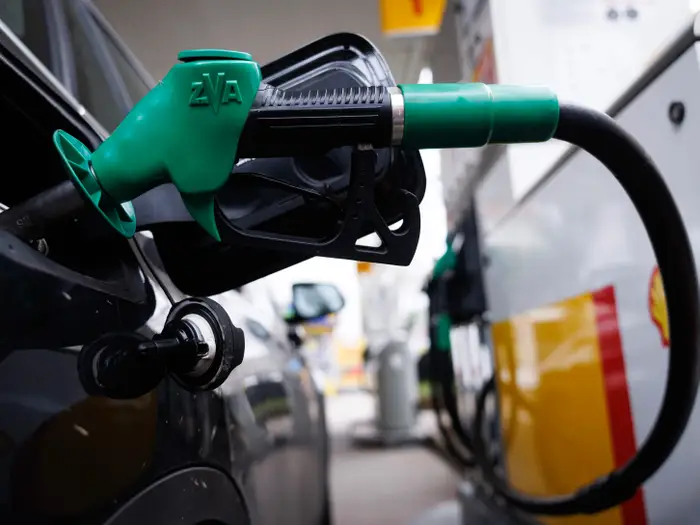
ISLAMABAD: Pakistan lowered fuel prices for a second straight day, cutting petrol by 3 rupees to 335 a liter and diesel by 7 rupees to 364, effective Thursday.
The Oil and Gas Regulatory Authority announced the revision in a notification on Wednesday. Petrol has fallen about 11% this month, from 377.91 rupees on Nov. 1, a drop of 42.91 rupees. Diesel stood at 402.96 rupees before a cut announced Nov. 2.
The latest reductions follow an 8-rupee cut to petrol and a 7-rupee cut to diesel for Wednesday, which set them at 338 and 371 rupees. Petrol had been unchanged at 346 rupees from Nov. 7 through Nov. 10.
Prices remain well above where they were before the US-Iran war began on Feb. 28. Diesel started rising from 281 rupees a liter after the conflict broke out, and petrol from 266 rupees in the first week of March. Both peaked on April 3, at 520.35 rupees for diesel and 458.41 rupees for petrol. At today’s levels, petrol is about 27% below that peak and diesel 30% below. Petrol is still roughly 26% above its pre-war price, and diesel about 30% above.
The government continues to levy 114 rupees a liter in taxes and duties on petrol, about a third of the pump price, and 100 rupees on diesel.
The cuts track a pullback in global crude. Brent fell 16% last week, its steepest weekly drop since the start of the Covid-19 pandemic, and slid a further 2.1% on Tuesday to $90.64 a barrel, a two-month low. It rebounded to about $92.50 on Wednesday as attacks on Gulf shipping offset hopes for a truce. Data from the Washington Institute for Near East Policy show 37 ships were attacked in October, the most in any month since the war began.
Analysts caution that a diplomatic deal would not quickly normalize supply. LSEG Oil Research said that even if an agreement is reached, higher flows through the Strait of Hormuz would depend on mine clearance, insurance costs and shipowners’ willingness to take the risk.
Part of the relief at the pump is being financed by the refining industry. Under a 30-day arrangement announced Nov. 2, refineries bear a cumulative impact of 15 billion rupees to help fund the petroleum levy, which allowed a 14.71-rupee reduction in the petrol price at the consumer end. The federal cabinet approved the revised mechanism on Oct. 30, according to a Petroleum Division letter.
Refiners say the burden is heavier than the government has described. They say the formula requires them to surrender roughly 49 rupees a liter, far more than the 14.71-rupee levy cut, and that the decision came without consultation. The vice chairman of Cnergyico warned that its gross refining margins could turn negative. Attock Refinery, National Refinery, Cnergyico and Pakistan Refinery have jointly asked the government to restore the earlier pricing formula. Local refineries supply about 30% of Pakistan’s petrol.
Petroleum dealers have pushed the other way. The Pakistan Petroleum Dealers Association has demanded a forensic audit of refinery profits, saying it could open the way to relief of up to 50 rupees a liter.
The government has revised fuel prices almost daily since July 17, after renewed hostilities between Iran and the US moved international prices. The petroleum minister said the cabinet and the prime minister decided to hand Ogra responsibility for setting prices each day based on international market trends. From early March the government had announced weekly revisions, along with fuel-conservation measures against possible supply disruptions. It announced targeted relief measures offering subsidized fuel in April.
The Prime Minister’s Fuel Relief Scheme, rolled out nationwide on Sept. 17, applies to owners of motorcycles, rickshaws and vehicles of up to 800cc.
The government has also reintroduced austerity measures. Markets must close by 9 p.m., and fuel allocations for official vehicles have been cut by 50% for three months.
Petrol is used mainly in private transport, small vehicles, rickshaws and two-wheelers, so price changes weigh on middle- and lower-middle-income households. Diesel, used in heavy transport, power plants and large generators, affects the broader economy. The two fuels are the main revenue earners for the sector, with monthly sales of about 700,000 to 800,000 tons, compared with demand of roughly 10,000 tons a month for kerosene.
Copyright © 2021 Independent Pakistan | All rights reserved