By Staff Reporter
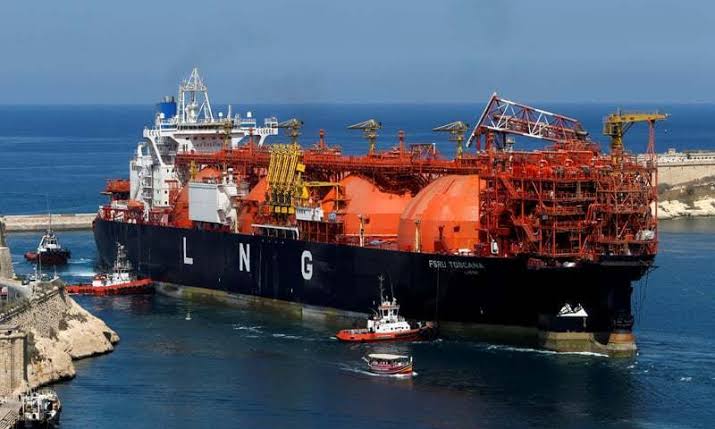
KARACHI: Pakistan LNG Ltd. has issued a fresh tender for two winter cargoes of liquefied natural gas, days after it turned down the lowest offers it received for the same December and January delivery windows, both priced above $27 per million British thermal units.
The state-owned importer, which holds the government’s mandate to buy LNG for the country, invited bids from international suppliers on Thursday for two cargoes on a delivered ex-ship basis at Port Qasim in Karachi, according to a tender notice. The first cargo is due Dec. 14-16, 2026, and the second Jan. 9-11, 2027. The notice said the shipments are needed to meet the country’s gas requirements.
The new tender follows an evaluation earlier this week that ended without an award. PLL received two bids for the December cargo on Tuesday: TotalEnergies Gas & Power Ltd. offered $27.30 per MMBtu and QatarEnergy Trading LLC offered $31. TotalEnergies was declared the lowest evaluated bidder. For January, it quoted 24.28 billion rupees, or $27.10 per MMBtu, and again ranked lowest. PLL declined both.
Both TotalEnergies offers sat above a ceiling of $27 per MMBtu that a Petroleum Division official earlier described as threshold for spot purchases. The official said that figure applies to cargoes bought on the international market for near-term delivery. Pakistan paid $21.88 per MMBtu for a July cargo, its highest price since the Iran war began, so this week’s lowest bids were roughly a quarter higher.
Islamabad is working a second track with Qatar. Pakistan has been trying to secure discounted LNG from Qatar under its existing long-term contracts as winter demand approaches and Hormuz disruptions threaten global energy supply chains. The country normally receives an average of nine cargoes a month from Qatar under two government-to-government agreements signed in 2016 and 2021. The same report put spot prices at around $33 per MMBtu, against about $14 under the long-term arrangements, a gap that explains why PLL is pressing Qatar for volumes it is already owed.
Pakistan is among Asia’s most exposed buyers. It sourced 99% of its LNG imports from Qatar last year, under term contracts. QatarEnergy told Pakistan and Bangladesh in September that shipment cancellations would run through November, as disruption in the Strait of Hormuz continued to hamper flows. Some Qatari cargoes have still reached Pakistan in recent months, after Iran gave direct assurances that vessels could transit safely.
Those assurances have limits. The Marshall Islands-flagged tanker Al Mayeda, carrying Qatari LNG to Pakistan, was attacked near the strait on Oct. 30, even though Islamabad had negotiated safe passage for the vessel with Iran. Qatar condemned the attack, and authorities said they were investigating. Pakistan is using diplomatic channels with Qatar, Iran and the U.S. to help cargoes under its long-term deal get through.
Pakistan imported 36 LNG cargoes last winter, 35 of them from Qatar, according to official data. An official estimated the country would need three or four cargoes in November, seven or eight in December and 10 or 11 in January. Masood Nabi, PLL’s chief executive officer, told the WPC Energy Congress in Riyadh that winter would be difficult, and that Pakistan would have to buy an additional 10 spot cargoes for delivery between November 2026 and February 2027, at about double the price of its Qatari supplies.
Local media estimate each of the two cargoes now being tendered would cost about $100 million at current market prices.
Late last year, it agreed to cancel 21 cargoes under a long-term contract with Eni SpA, 11 planned for 2026 and 10 for 2027, to curb excess imports that had flooded its gas network. Pakistan is now chasing spot supply it does not have a contract for.
Copyright © 2021 Independent Pakistan | All rights reserved