By Staff Reporter
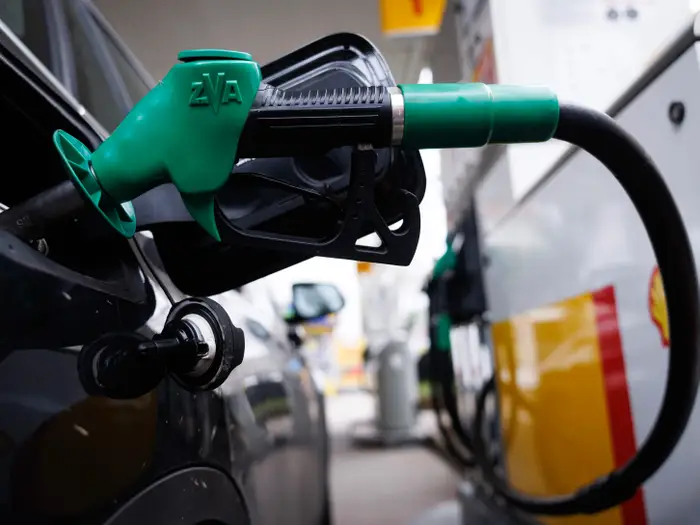
ISLAMABAD: Pakistan cut petrol and diesel prices by Rs3 a liter for Thursday, extending a run of near-daily reductions that has taken petrol about 14% below its level at the start of the month.
The Oil and Gas Regulatory Authority said in a notification on Wednesday that petrol will fall to 322 rupees a liter from 325 rupees, while high-speed diesel drops to 355 rupees from 358 rupees, effective Nov. 19. The rates were set under the pricing mechanism approved by the federal government. On Tuesday, the government had cut petrol by 3 rupees and left diesel unchanged. Since Nov. 2, petrol has fallen by 52.51 rupees from 374.51 rupees.
Deputy Prime Minister and Foreign Minister Ishaq Dar credited “policy changes and structural reforms in petroleum policy” for bringing prices down from their April 3 peak, and said the government remains committed to easing the burden on “the common man.” Local media reports of his statement put the declines from the peak at 133 rupees for petrol and 162 rupees for diesel. Those figures predate Wednesday’s cut. Measured against the peaks of 458.41 rupees for petrol and 520.35 rupees for diesel, the drops now come to about 136 rupees and 165 rupees.
Prices remain well above where they stood before the US-Iran war began. Petrol was about 266 rupees in the first week of March, and diesel started its climb from 281 rupees after the conflict broke out on Feb. 28. At current levels, petrol is roughly 21% higher and diesel about 26% higher. The government still levies 114 rupees a liter in taxes and duties on petrol and 100 rupees on diesel.
The relief tracks a retreat in crude. Brent traded around $92.50 a barrel Wednesday, slipping as a sharp build in US crude and fuel inventories outweighed Middle East risks. The benchmark had lost about 20% in November as of last week, and started the year near $60 before surging as high as $130 during the March-April escalation. Hostilities have not stopped. Iranian state broadcaster IRIB reported that Iran’s army targeted US military equipment at a base in Kuwait, and shipping through the Strait of Hormuz remains disrupted. Vandana Hari, founder of Vanda Insights, said crude is caught between a persistent geopolitical risk premium and analyst forecasts of a sizeable market surplus.
The government is also leaning on domestic refiners. Under an arrangement announced Nov. 2, refineries are to absorb a cumulative 15 billion rupees over 30 days through the petroleum levy, which allowed a 14.71 rupee reduction in the petrol price. Petroleum Minister Ali Pervaiz Malik has said local refiners, which produce around 30% of the country’s petrol, have earned substantial profits. Industry officials expect the mechanism to require refineries to surrender about 49 rupees a liter, well above the levy reduction. Four refiners, including Attock, National, Cnergyico and Pakistan Refinery, have written to the government asking for the earlier formula to be restored. Petroleum dealers have separately called for a forensic audit of refinery profits, arguing it could show room for cuts of as much as 50 rupees a liter.
Fuel pricing has been in flux for most of the year. After weekly revisions starting in early March, the government moved to near-daily changes on July 17 following renewed hostilities between Iran and the US. The petroleum minister has said the cabinet and the prime minister handed Ogra responsibility for setting prices each day based on international market trends. In April, Islamabad announced targeted relief for subsidized fuel, and on Sept. 17 it rolled out the Prime Minister’s Fuel Relief Scheme for owners of motorcycles, rickshaws and vehicles of up to 800cc.
Petrol and diesel are the main revenue earners in the fuel market, with combined monthly sales of about 700,000 to 800,000 tonnes, against roughly 10,000 tonnes of monthly demand for kerosene. Petrol is used mainly in private transport, small vehicles, rickshaws and two-wheelers, so price changes weigh on middle- and lower-middle-income households. Diesel runs heavy transport, power plants and large generators, and its price reaches a broader part of the economy.
Copyright © 2021 Independent Pakistan | All rights reserved